
 Worksheets
Sky Science Review
Total questions: 20
Worksheet time: 12mins
Everything that exists: our planet, sun, other plants, everything in our solar system, all other galaxies and all the 'space' between them
Milky Way
Solar System
Galaxy
Universe
Once a year the Sun reaches its highest and lowest points in the sky at mid-day. For the Northern-hemisphere (where we are) the lowest point is the day we have the least amount of sunlight hours. This takes place on December 21st. The highest point which has the greatest number of daylight hours is June 21st.
Orbits
Solstices
Lustre
Equinox
The half of the moon phase when the illuminated portion is increasing
Gibbous
Crescnet
Waxing
Waning
The half of the moon cycle when the illuminated part of the moon is decreasing.
Gibbous
Crescent
Waxing
Waning

Sunrise is occurring at position ________ and sunset is occurring at position _________. What goes in those blanks?
Z , X
Y , W
X , Z
W , Y

The gibbous moons are labelled...
I and II
I and IV
II and III
III and IV

Which of the following statements can be made based on this chart?
Mercury is the closest planet to Venus
Earth is the coldest of the inner planets
Mars has the shortest day of the inner planets
Venus is the closest planet in diameter to earth
At what time of the day would the sun cast the shortest shadow?
Any cloudy day
Noon
10:00 am
4:00 pm
When is the summer solstice?
March 21
June 21
September 21
December 21
The moon makes a complete revolution around Earth approximately once each
day
week
year
month


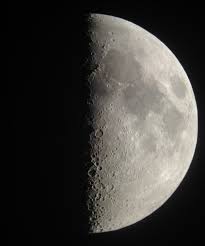
In the winter, the northern hemisphere is tipped
Toward the Sun
Away from the sun
When is the summer solstice?
March 21
June 21
September 21
December 21

