
 Worksheets
The Indian Government
Total questions: 86
Worksheet time: 43mins
The __________________________government is responsible for law and order within a state.
State
Central
Local self
_______________ is the Present Prime Minister of India.
Ram Nath Kovind
Om Birla
Narendra Modi
Sonia Gandhi
There are ______ levels of government in India
2
4
5
3
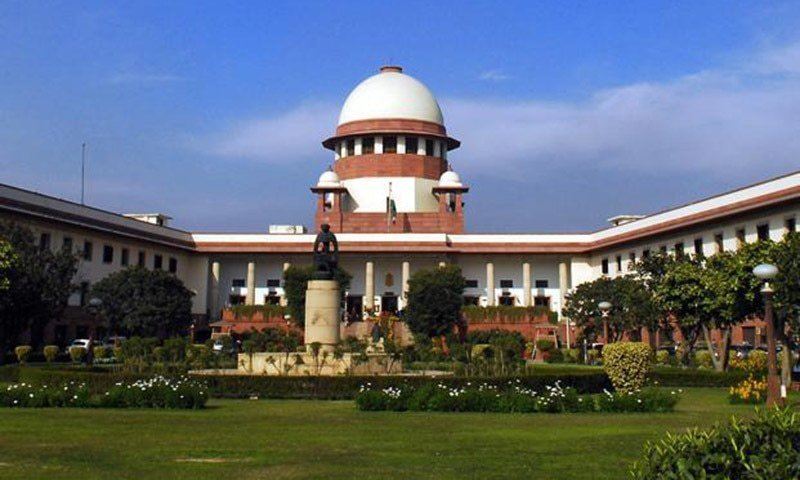
Identify this building
Parliament
Supreme Court
Lok Sabha
Rajya Sabha
Who runs the government at the central?
President
Prime Minister
Chief Minister
Home Minister
Chief Minister is appointed by the ______ of the state.
President
Prime Minister
Governor
Speaker
Which forms defines the Rule of people by the people?
Preamble
b. Democracy
c. Constitution
d. None of these
Citizen above the age of ___________ has the right to vote.
10
15
18
25
The process of choosing a person by voting
Selection.
Election.
Law Making.
Billing.
_______________ is the Present President of India.
Narendra Modi.
Surjith Singh Barnala
Ram Nath Kovind
Banwarilal Purohit
The law making body in our country is called the ______________________.
Parliament
Congress
Federal Assembly
National Assembly
The Lok Sabha can have a maximum of ________________
12 members
552 members
238 members
250 members
The members of the Rajya Sabha are elected for a term of ___________________ years.
two
ten
six
five
The _________________________is also known as the Lower House.
parliament
Lok Sabha
Rajya Sabha
State government
The highest judicial body in a state is the ____________________
High Court
Supreme Court
District court
There are ___________________states and _________________ union territories in India.
28 states and 9 union territories
27 states and 9 union territories
28 states 8 union territories
28 states and 7 union territories
The ________________________of India is the chairman of the Rajya Sabha.
The President
The Vice - President
Chief Minister
Governor
The _______________________has two houses .
Lower House
Upper House
Parliament
The __________________________government is responsible for law and order within a state.
State
Central
Local self
The judges of the Supreme Court are appointed by the ______________________
President
Speaker
Governor
Prime Minister
What do Governments do for the people?
build roads and schools
take action on social issues
supply the electricity
all of these
Which type of Government is chosen by the people?
Democratic
dictatorship
monarchy
Citizen above the age of ___________years has the right to vote.
25
21
18
30
In Rajya Sabha, how many members are elected by the President of India?
12
2
25
10
In Lok Sabha, how many members are elected by the President of India?
18
2
8
12
Who is the commander of the armed forces?
Prime Minister
President
Chief Minister
Speaker
Legislative assembly is also known as the _____
Lok Sabha
Rajya Sabha
Vidhan Parishad
Vidhan Sabha
Full form of MLA
Member of Parliament
Member of Lok Sabha
Member of Legislative Assembly
Member of Council Ministers
Supreme Court is located in _____
Ahmedabad
New Delhi
Jamnagar
Mumbai
Who runs the government at the centre?
President
Prime Minister
Chief Minister
Home Minister
What is the minimum age for the citizens of India to become the member of Lok Sabha?
18
25
21
30
The institution that drafted the Constitution of India was called the
Constituent Assembly
National Assembly
Parliament
what is the constitution?
the constitution includes the rules and laws that govern every citizen of a country.
it is an organ of the central government.
the consititution is the book of laws
i don't know
India has a ________ constitution
book
writen
written
temporary
who is the CURRENT PRESIDENT OF INDIA?
(a)
the central government governs the entire country.
true or false?
true
false
i don't know
what are the three branches of the central government?
(a)
the first ever elections to lok sabha were held in (a)
the president is the head of the country and the _________
supreme commander of the armed forces
i do not know
supreme commander of the police
which one of these is the supreme court?


members of the judiciary are called ______
judges
mlas
mp
president
Where does the central government rules
It governs every states
It governs the entire countries and every union territories
Where does the state government rules
It governs the states
It governs the country
what are the three branches of central government
Legislature
Lok Sabha
Judiciary
Executive
Rajya Sabha
The Parliament comprises 2 houses
Rajya Sabha
Vidhan Sabha
Lok Sabha
Judiciary

Which is called as the lower house of parliament and known as house of the peoples
Rajya Sabha
State government
Vidhan Sabha
Lok Sabha
Supreme Court
Who presides the Lok Sabha
Prime Minister
Vice president
Speaker
President
If a person want to become a member of the Lok Sabha, he/she' s should be ____________
citizen of india
he should not be a citizen
above age of 56
above age of 25
The institution that drafted the Constitution of India was called the
Constituent Assembly
National Assembly
Parliament
What do you mean by Right to equality?
a. Rich people are higher than poorer
b. All are equal before law
c. Government officer are superior
d. None of these
What is the name of the Kingship or rule of a king?
a. Democracy
b. Constitution
c. Monarchy
d. None of these
The rights provided by constitution are called:
a) Governmental Rights
b) Optional Rights
(c) Economic Rights
(d) Fundamental Rights
India became independent on
15 August 1957
15 August 1947
Who is the architect of the Indian Constitution?
Dr Babasaheb Ambedkar
Mahatma Gandhi
Who was president of Constituent Assembly?
Dr Br Ambedkar
Dr Rajendar Prasad
Maulana Azad
Sardar Pate
Most of the countries in the world have a...............
Preamble
Secularism
Law and dissent
Constitution
Constitution of India was adopted by Constituent Assembly on-
25 Oct 1998
25 Oct 1949
26 Nov 1948
26 Nov 1949
The people of India play a direct role in electing representatives
true
false
not really
On which date the Indian Constitution came into effect
On 26 November 1949
On 26 January 1950
On 26 September 1949
On 26th March 1950
Who is known as the father of Indian Constitution
Pandit Jawaharlal Nehru
Dr BR Ambedkar
Vijayalakshmi Pandit
Sarojini Naidu
Fundamental rights refers to
The list of subjects of the state government
The basic rights which are granted to citizens
The list of subjects of the central government
The list of subjects of both the state and Central Government
How many fundamental rights are given in Indian Constitution
5
6
7
None of these
Decision to create a big park in Bangalore
state
Local
central
Introduction of new 100 rupee note
State
Central
Local
Introduction of new train between Maharashtra and Karnataka
State
Local
central
Monarchy is a Government chosen by the people of the country
True
False
Driving without license is against the law
False
True
Equality of all religions
socialism
secularism
republic
democracy
Rashtrapati Bhavan is the residence of
President
Prime Minister
Vice President
Chief Judge
The chairman of the Rajya Sabha
Prime Minister
President
Vice President
Chief minister
The leader of Majority party in the Lok Sabha
President
Prime Minister
Chief Minister
Chief Justice
The head of the Gram Panchayat
Councillor
Member
Sarpanch
Governor
The first woman judge to the supreme court of India
Indira Gandhi
Nirmala Sitharaman
Fathima Beevi
Sarojini Naidu
The highest court in India
High court
District court
Supreme court
Local court
Indian Constitution declares _____________ as the supreme power
President
Chief Justice
People
Prime Minister
A formal change to the Constitution.....
amendment
veto
term
bill

Which branch of Parliament makes the laws?
Legislative
Judicial
Executive
Constitution
Fundamental Rights protects all citizens from
the PM
the President
the arbitrary use of power by any government
army
which fundamental right safeguards Indian citizens from any kind of discrimination
Right to freedom
Right to equality
E right to get redressal
Right to education
The judiciary
controls the executive
controls the legislature
is appointed by the people
protects the rights of the citizens
Which principle of government divides our government into three branches each with their own responsibilities?
Federalism
Separation of Powers
Limited Government
Republicanism

