
NEW
Font size
 Worksheets
Thermochemistry
Total questions: 18
Worksheet time: 14mins

Are the products or reactants of this reaction storing more energy in their chemical bonds?
Both storing the same
No way to tell
Products
Reactants
What type of reaction is this?
Exothermic
Endothermic
Energy Producing
No way to tell
What kind of equation is this: 2KI + MgCl2 + 200KJ ----> 2KCl + MgI2
Endothermic
Exothermic
How can you tell this reaction is exothermic: MgO + CaS ----> CaO + MgS + 200 KJ
Energy is written on the products side
Energy is being released
Less energy is stored on product side
All of these tell me
What is collision theory?
Molecules must collide in the correct orientation with enough energy to bond.
Molecules need enough energy to collide and react.
Atoms constantly collide and react.
The minimum energy needed for atoms to react
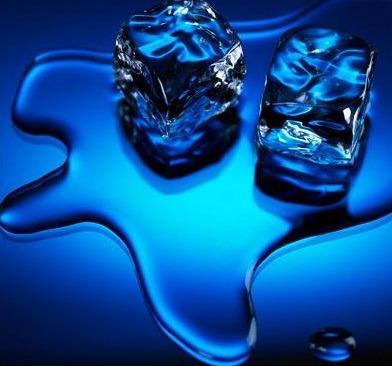
____ reactions usually feel cold.
endothermic
exothermic
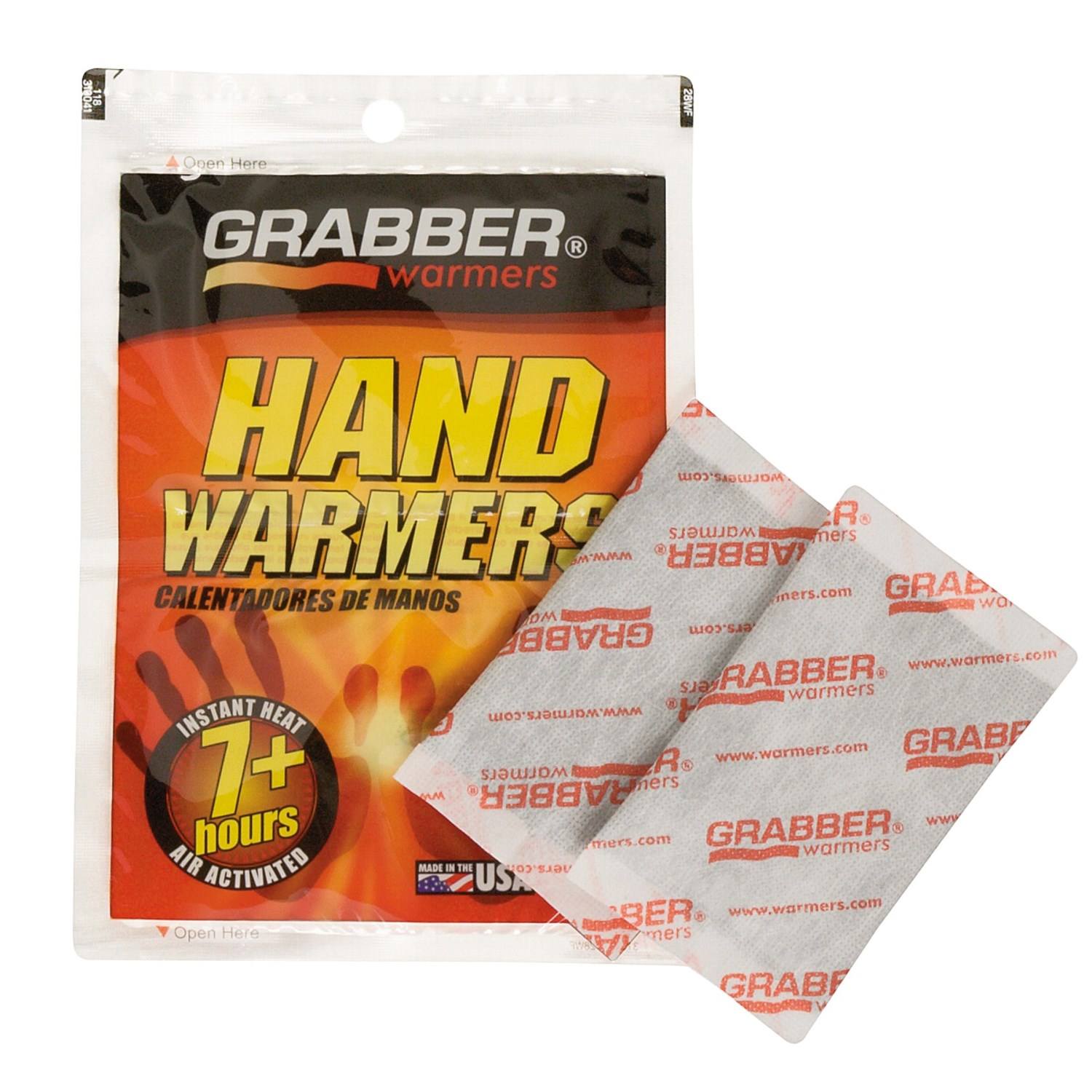
In cellular respiration, the products of the reaction are glucose, oxygen gas, and ATP (energy). Would cellular respiration be considered endo- or exothermic?
endothermic
exothermic
The amount of heat needed to raise the temperature of 1 gram of a substance by 1 degree celsius is known as the substance's
temperature.
enthalpy.
mass.
specific heat.
Which of these is NOT an example of an intramolecular force?
Covalent Bonding
Hydrogen Bonding
Ionic Bonding
Metallic Bonding

This entire setup of equipment is used to measure heat lost or gained during a chemical or physcial reaction. What is it?
thermometer
stirrer
hot plate
calorimeter
When we measure temperature, we are measuring the
kinetic energy of the particles in a system.
movement of energy from areas of high to low.
the amount of heat needed to raise the temp of a substance by 1 degree celsius.
none of these.
Calculating the "heat of a reaction" or the total heat of a system is known as
enthalpy.
q.
entropy.
free energy.
How would you calculate the change in temperature?
initial temperature - final temperature
final temperaure-initial temperature
with your mind powers
touch it
To find the heat of a system, you must know the specific heat of the substance, the change in its temperature, and the substance's
density.
volume.
mass.
melting point.
What is the final temperature after 525 Joules is absorbed by 10.0g of water at 20°C ?
45.0° C
17.4°C
27.2°C
22.6°C

