
 Worksheets
French, Haitian & Latin American Revolutions & Nationalism Vocab
Total questions: 63
Worksheet time: 32mins
Revolutionary assembly formed by the representatives of the Third Estate when they began to meet on their own
Coup d'état
Frankfurt Assembly
National Assembly
German Confederation
95 % of French population; paid all the taxes
1st Estate
2nd Estate
3rd Estate
Estate General
Formed during Reign of TerrorRole of protecting the newly established republic against foreign attacks and internal rebellion
Reign of Terror
Jacobins
Robespierre
Committee of Public Safety
Part of Committee of Public Safety; leader in Reign of Terror
Jacobins
Napoleon
Robespierre
Louis Xvi
Period of violence; People who seemed against the revolution were executed
Storming of the Bastille
Robespierre
Reign of Terror
The Great Fear
A list of grievances drawn up by each of the three EstatesForced people to think of the problems that France faced
Declaration o fthe Rights of Men
Themadorian Reaction
Tennis Court Oath
Cahiers de doléances
Outmaneuvered by Duke of WellingtonNapolean was defeatedThe defeat at Waterloo ended Napoleon's rule as Emperor of the French and marked the end of his Hundred Days return from exile.
Reign of Terror
Estate System
Napoleonic Wars
Battle of Waterloo
Third government of French revolution;Created Committee of Public Safety
National Convention (1792)
National Convention (1803)
National Convention (1793)
National Convention (1893)
Collection of laws that standardized French law under Napoleon
Napoleonic Code ***
Estates General
Declaration of the Rights of Man and Citizen
Coup d' etat
1803-1815Series of major conflicts pitting the French Empire and its allies, led by Napoleon
Napoleonic Code
Napoleonic Wars
Reign of Terror
Battle of Warterloo
Common people of the lower classes who were radicalsPolitical ideals include: social equality, economic equality, and popular democracy
1st Estate
2nd Estate
3rd Estate
Sans-Culottes
Clergy; 130,000 people; Exempt from Taxes
1st Estate
2nd Estate
3rd Estate
Sans-Culottes
Nobility, 350,000 People; Held many leadership positions
1st Estate
2nd Estate
3rd Estate
Sans-Culottes
Class of merchants and artisans who were in the third Estate (middle class0
National Convention
Jacobians
Bourgeoisie
Sans-Culottes
Attempts to overthrow the government
Coup d'etat
Battle of Waterloo
Cashiers de doleances
Themadorian Reaction
In response to Reign of Terror , members of the Committee of Public Safety turn on Robespierre and send him to the guillotine
Coup d'etat
Battle of Waterloo
Cashiers de doleances
Themadorian Reaction
Wife of Louis XVI; was executed in 1793 for treason
Napoleon
Louis XVI
Estates General
Mary Antoninette
King of France during the French Revolution, was executed in 1793 for treason, (trying to flee the country which led the people to see him as a traitor)
Napoleon
Louis XVI
Estates General
Mary Antoninette
French general who became emperor of the French during conservative phase (1769 - 1821)
Napoleon
Louis XVI
Estates General
Mary Antoninette
The social structure of the old regime of France that formed a representative assembly (French congress)
Napoleon
Louis XVI
Estates General
Mary Antoninette
July 14th, 1789 Prison in Paris that was symbol of royal power;
Declaration of the Rights of Man
Tennis Court Oath
Cahiers de doléances
Storming the Bastille
famous oath made by on a tennis court by the Third Estate in pre-revolutionary France
Declaration of the Rights of Man
Tennis Court Oath
Cahiers de doléances
Storming the Bastille
Statement of fundamental political rights adopted by the French National Assembly at the beginning of the French Revolution. Based on Declaration of Independence and ideas of Enlightenment
Declaration of the Rights of Man
Tennis Court Oath
Cahiers de doléances
Storming the Bastille
was director of the French treasury before the revolution, Necker attempted to reform the country’s finances, although he also tried to finance France's participation in the American Revolution through heavy borrowing, while trying to conceal the country's huge deficit. Later, his calls for reform were thwarted by Louis XVI
Jacques Necker
Thomas Jefferson
Napoleon
Robespierre
a group or clique within a larger group that has different ideas and opinions than the rest of the group
faction
Jacobians
Bourgeoisie
Sans-Culottes
a French noble, fought alongside the Americans in the Revolutionary War. Upon his return to France, Lafayette led the call for reform and in 1789 presented a draft of the Declaration of the Rights of Man to the National Assembly. He was hated by some for his moderate stance, and fled to Austria, but later returned.
Louis XVI
Marques de Lafayette
Olympe de Gouges
Robespierre
author of the Declaration of the Rights of Women, railed against the treatment of women in France, addressing her concerns directly to Marie Antoinette.
Louis XVI
Marques de Lafayette
Olympe de Gouges
Robespierre
Wrote the Declaration of Independence, 3rd President of USA; bought Louisiana from Napoleon
Thomas Jefferson
Marques de Lafayette
Olympe de Gouges
Robespierre
Revolutionary assembly formed by the representatives of the Third Estate when they began to meet on their own
Coup d'état
Frankfurt Assembly
National Assembly
German Confederation
1800s belief that Americans had the right to spread across the continent. Belief that the US was destined by God to spread its "empire of liberty" across North America. Served as a justification for mid-nineteenth-century expansionism.
Congress of Vienna
Balance of Power
Manifest Destiny
Emancipation Proclomation
Prince Metternich purposed this, Also as known as Vienna System, Was a system of dispute resolution adopted by the major conservative powers of Europe Wanted to maintain their power, oppose revolutionary movements, weaken the forces of nationalism, and uphold the balance of power.
Congress of Vienna
Concert of Europe
Estates General
Balance of Power
No country is powerful enough to conquer the others
Congress of Vienna
Concert of Europe
Estates General
Balance of Power
is the belief that people's greatest loyalty should not be to a king or empire but to a nation of people who share a common culture and history
Patriotism
Nation - State
Nationalism
Realpolitik

Austrian ruler and leader of the Congress of Vienna; proposed balance of power
Prince Metternich
Napoleon III (Louis Napoleon)
Otto von Bismarck
Giuseppe Garibaldi
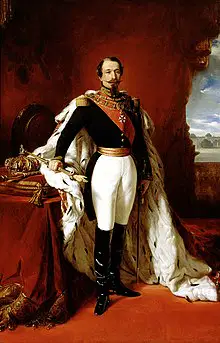
-elected president of France-became emperor of France, helps Italy achieve unification
Prince Metternich
Napoleon III (Louis Napoleon)
Otto von Bismarck
Giuseppe Garibaldi
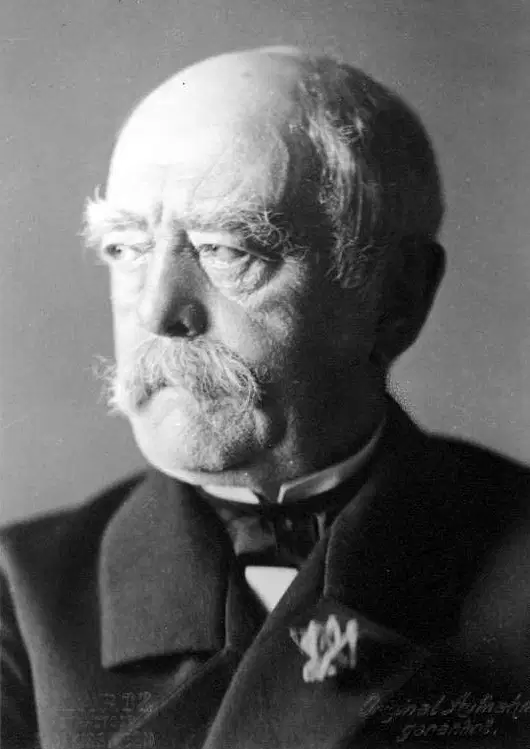
(1815-1898) German prime minister who intentionally provoked three wars to provide the people with a sense of nationalism.
Prince Metternich
Napoleon III (Louis Napoleon)
Otto von Bismarck
Giuseppe Garibaldi
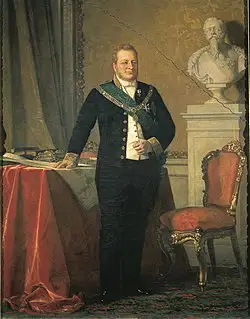
Prime Minister of Piedmont-Sardinia and architect of Italian unification
Camillo Cavour
Napoleon III (Louis Napoleon)
Otto von Bismarck
Giuseppe Garibaldi
Political realism or practical politics, especially policy based on power rather than on ideals.
Patriotism
Nation - State
Nationalism
Realpolitik
This was a major war between the French and the Germans in 1871 that brought about the unification of Germany. It was caused by Otto Von Bismarck altering a telegram from the Prussian King to provoke the French into attacking Prussia, thus hoping to get the independent German states to unify with Prussia (which they did, thus creating Germany).
Napoleonic Wars
Franco - Prussian War
Nationalism
Austro-Prussian War
German empire
First Reich
Franco - Prussian War
Holy Roman Empire
Second Reich
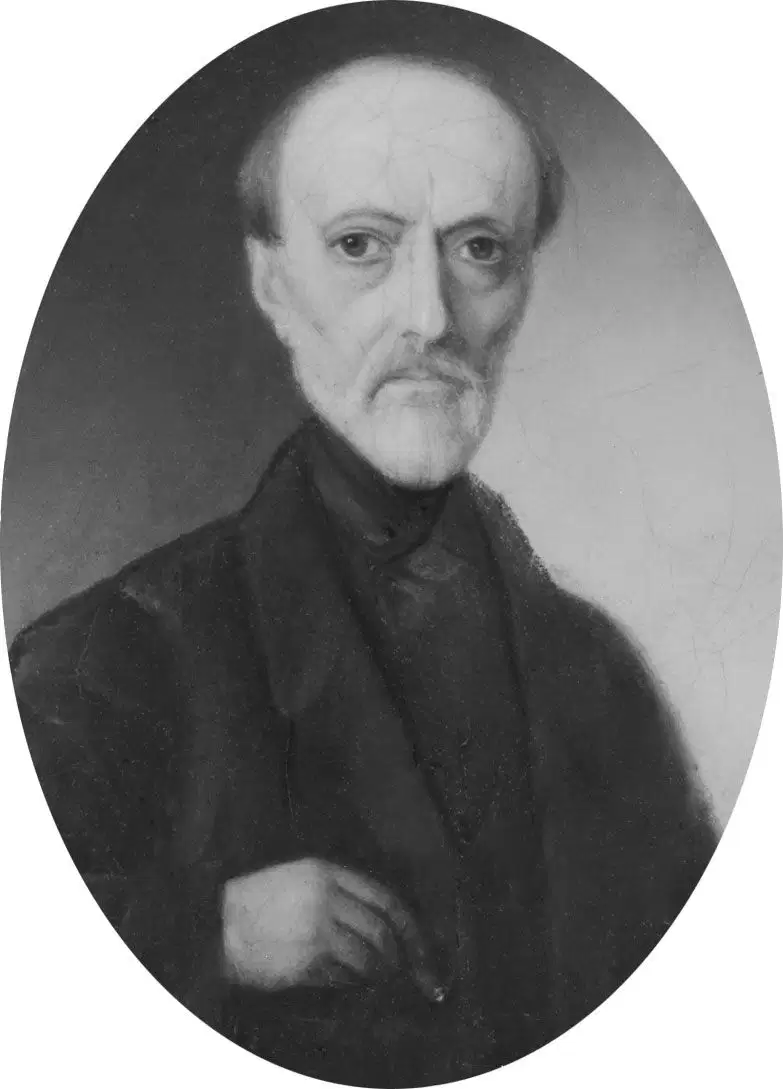
A political nationalist in Italy in the mid 1800's. He started a group called Young Italy that promoted independence from Austrian and Spanish rule and the establishment of an Italian national state.
Camillo Cavour
Napoleon III (Louis Napoleon)
Otto von Bismarck
Giuseppe Mazzini
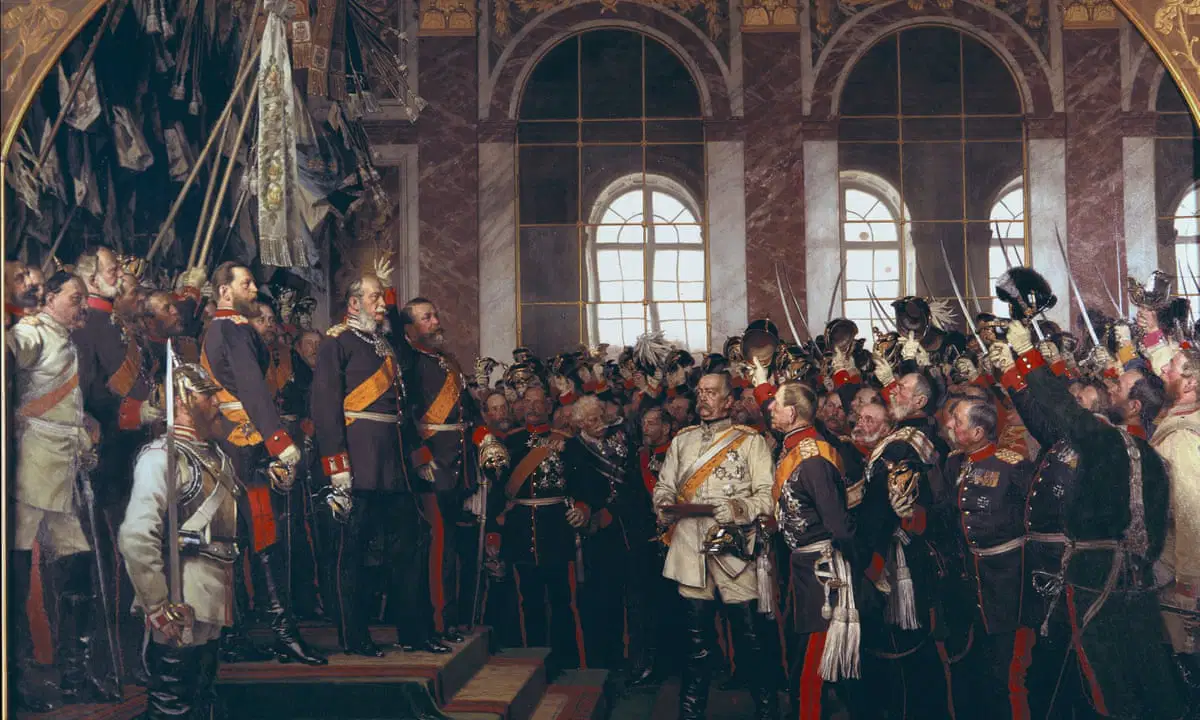
German emperor
Czar
Kaiser
Holy Roman Emperor
Raja
Group of Italian patriots dedicated to spreading ideas of nationalism.
Burschenschaft
Young Italy Movement
Alpha Gama Rho
Frankfurt Assembly
Student political groups that formed at German Universities beginning around 1815. These groups were expressions of German nationalism.
Burschenschaft
Young Italy Movement
Alpha Gama Rho
Frankfurt Assembly
Failed German unification attempt.
Burschenschaft
Young Italy Movement
Concert of Europe
Frankfurt Assembly
Also known as the Seven Weeks' War. This war was between Austria and Prussia, with Italy helping Prussia. It was over control of the German Confederation. Prussia won, and created the North German Confederation, of which Austria was not a part, and Italy received Venetia.
Napoleonic Wars
Franco - Prussian War
Nationalism
Austro-Prussian War
Association of German states established at the Congress of Vienna that replaced the Holy Roman Empire from 1815 to 1866
Congress of Vienna
German Confederation
Concert of Europe
Estates General
The name of the free trade zone that German states created prior to their unification.
Burschenschaft
Young Italy Movement
Zollverein
Frankfurt Assembly
strongly conservative members of Prussia's wealthy landowning class
Burschenschaft
Young Italy Movement
Zollverein
Junkers
In Latin America, Spanish people born in the Americas, Descendants of Spanish-born but born in Latin America; resented inferior social, political, economic status. In colonial Spanish America, term used to describe someone of European descent born in the New World. Spaniards born in Latin America
Creoles
Peninsulares
Mulatoes
Mestizos
Spanish-born, came to Latin America; ruled, highest social class.
Creoles
Mulatoes
Peninsulares
Mestizos
Which of the following is NOT one of the main causes of Latin American Revolutions
Efforts of Spanish monarchy to exercise greater power
Sharp division of class
Peasant Uprising
Napoleon

Led revolts for Argentina and worked with Bolivar to free Peru from Spanish rule, Founder of the Freedom of Peru, Founder of the Republic, Protector of Peru
Miguel Hidalgo
Simon Bolivar
Toussaint Louverture
Jose de San Martin

Priest who began the revolt against Spanish rule in Mexico
Miguel Hidalgo
Simon Bolivar
Toussaint Louverture
Jose de San Martin

Venezuelan statesman: leader of the revolt of South American colonies against Spanish rule. Liberated Gran Colombia, Wanted independence
Miguel Hidalgo
Simon Bolivar
Toussaint Louverture
Jose de San Martin
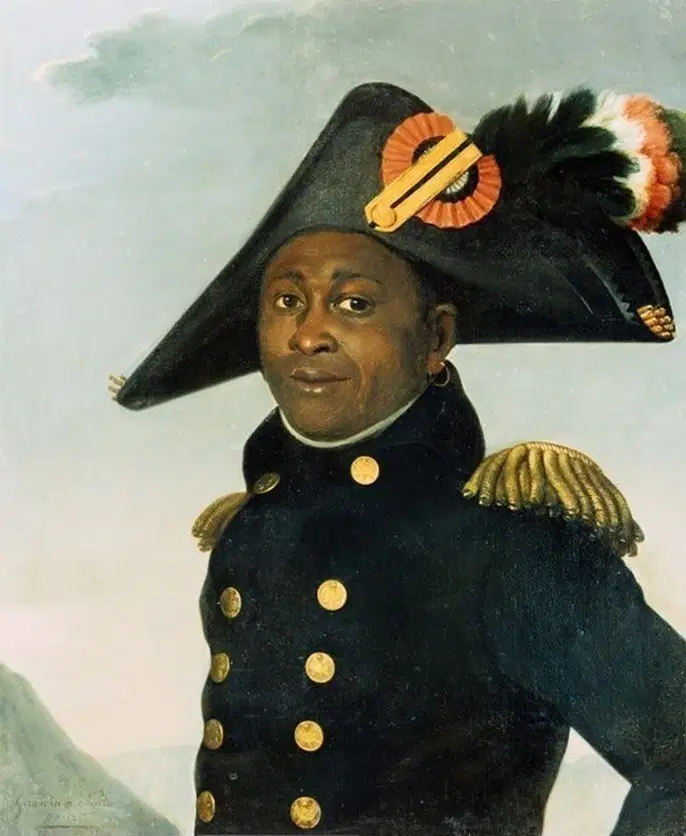
Haitian patriot and leader of the Haitian Revolution slave rebellion, Wanted a nation where all men were equal, Laid the groundwork of Haiti.
Miguel Hidalgo
Simon Bolivar
Toussaint Louverture
Jose de San Martin
was a French colony on the Caribbean island of Hispaniola from 1659 to 1804.Haitian Revolution was established there.
Cuba
Puerto Rico
Saint-Domingue
St. Thomas
favored drastic change to extend democracy to all people. They believed that governments should practice the ideals of the French Revolution- liberty, equality and brotherhood.
Conservative:
Liberal:
Radical:
mostly middle- class business leaders and merchants. They wanted to give more power to elected parliaments, but only allow the educated and landowners (i.e people like them) to vote.
Conservative:
Liberal:
Radical:
usually wealthy property owners and nobility. They argue for protecting the traditional monarchies of Europe.
Conservative:
Liberal:
Radical:
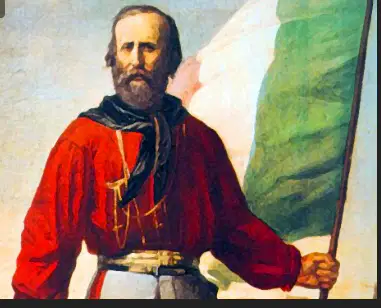
Leader of the "Red Shirts" united Southern Italy and then turned it over to Victor Emmanuel
Otto Van Bismark
Giuseppe Garibaldi
Giuseppe Mazzini
Camillo Cavour
1800s belief that Americans had the right to spread across the continent. Belief that the US was destined by God to spread its "empire of liberty" across North America. Served as a justification for mid-nineteenth-century expansionism.
Congress of Vienna
Balance of Power
Manifest Destiny
Emancipation Proclamation
Issued by Abraham Lincoln on September 22, 1862 it declared that all slaves in the confederate states would be free
Congress of Vienna
Balance of Power
Manifest Destiny
Emancipation Proclamation

