
 Worksheets
Ch. 8 Ls. 1-2
Total questions: 35
Worksheet time: 18mins

An American engineer who created the steamboat.
Eli Whitney
Cyrus McCormick
Elias Howe
Robert Fulton

It provided more water for the settlers to use for their crops.
It was a human made water way that connected the Hudson River to Lake Erie making transportation of goods easier.
It was a human made water way that connected the Mississippi River and the Hudson River and made transportation of goods easier.
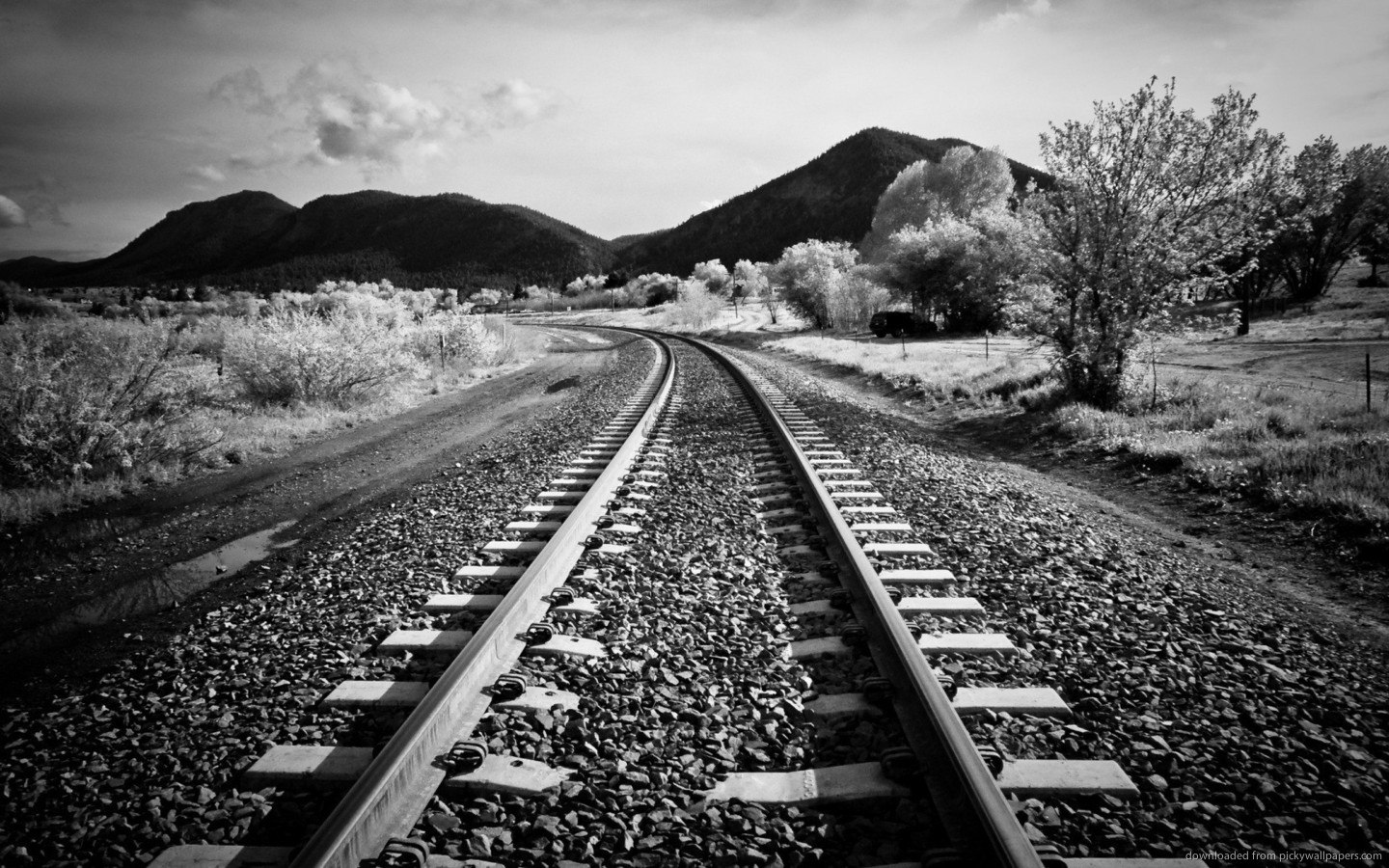
they moved people and goods more quickly and less expensively over greater distances

Who made an improved version of the cotton gin and was hired by the U.S. government to produce muskets for the army through a system of interchangeable parts and mass production?

Who developed the Morse code which helped improve communication between people?

Who invented the mechanical reaper which made it easier to cut grain?

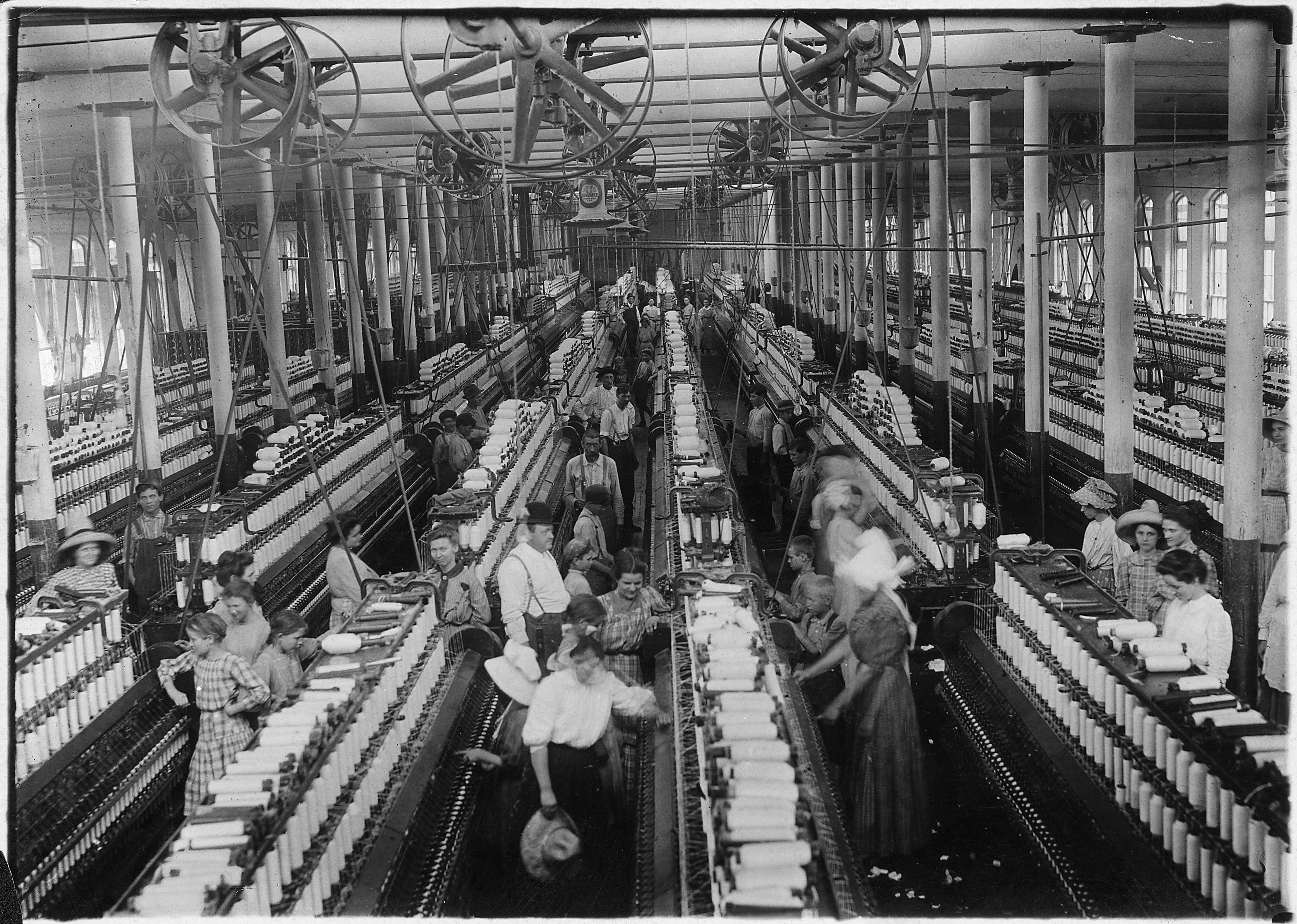
Influential in the development of the spinning and weaving machines which produced cloth.
Francis Cabot Lowell and Samuel Slater
Elias Howe
Granted permission by the Mexican government to bring American families into Texas.
Sam Houston
Stephen F. Austin
John Fremont
Santa Anna
How did Davy Crocket and James Bowie act similarly to contribute to the independence of Texas?
Both famous men of the frontier of the Alamo killed during the attack by Santa Anna.
Both authored major portions of the Texas Declaration of Independence.
Both gained support from American Indian groups for fighting Mexican forces.
Both commanded regiments with General Houston at the Battle of San Jacinto.
This walled old mission was used as a fort and was the sight of one of the most important battles of the war.
San Jose
Austin, Texas
San Jacinto
The Alamo
The battle cry at San Jacinto was
"Don't Mess With Texas"
"Live Free or Die"
"Remember The Alamo"
"Victory or Death"
Spanish-speaking people living in Texas were called _____.
Tejanos
Texans
Americans
Guadalupe Hidalgo
In the fall of 1835, clashes between Mexican government troops and armed Texans marked the start of the _______.
American Revolution
Battle of the Alamo
Texas Revolution
Mexican Independence
The fate of America to expand from sea to shining sea
This document gave the US much of Mexico's northern territory, including California, Nevada, and Utah.
The Treaty of Guadalupe Hidalgo
Manifest Destiny
The Mexican-American War
The Mexican Cession
The general and president of Mexico. He led an army of several thousand men toward San Antonio.
Sam Houston
Stephen F. Austin
John Fremont
Santa Anna
Which advancement was both an improvement in transportation and also helped improve the railroad?
steamboat
canal
reaper
flatboat
Why did productivity increase in the early nineteenth century?
increase in profits and labor
decreases in population and travel
advances in technology and inventions
changes in population distribution and farmland
Which statement makes the most convincing argument about the impact of transportation on the U.S. economy in the first half of the nineteenth century?
Changes in transportation stimulated the growth of the U.S. economy.
Improvements in transportation had little effect on the U.S. economy.
More modes of transportation maintained the growth of the U.S. economy.
Transportation enabled more women to take part in the U.S. economy.
A small steam engine that made its first run in the summer of 1830.
Baltimore & Ohio
Tom Thumb
National Road
Erie Canal
A human-made waterway that cut down the travel time and cost of importing and exporting goods.
Baltimore & Ohio
Tom Thumb
National Road
Erie Canal
The first true railroad in the U.S. Its first track was 13 miles long over a steep and twisting route.
Baltimore & Ohio
Tom Thumb
National Road
Erie Canal
The federal government decided to build this as the main route for settlers moving west from the Appalachians into the Ohio Valley.
Baltimore & Ohio
Tom Thumb
National Road
Erie Canal
Were used to ship tools and other manufactured goods to the West. They were successfully able to go downstream, but it was hard for them to travel upstream.
Ether
Industrial Revolution
Flatboats
Cotton Gin
The idea of mass production helped bring about this.
Ether
Industrial Revolution
Flatboats
Cotton Gin
This was used as an anesthetic to help patients not feel pain during surgery.
Ether
Industrial Revolution
Flatboats
Cotton Gin
The money a business earns after its debts have been paid.
Profit
Industrial Revolution
Morse Code
Ether
A series of dots and dashes used to send messages over wire.
Profit
Industrial Revolution
Morse Code
Ether
The U.S. paid Mexico_______ for more than 525,000 square miles.
$15 million
$10 million
The U.S. paid Mexico________ for the Gladsden purchase, which included New Mexico and Arizona.
$15 million
$10 million
Mexico and Texas had problems agreeing on the specific location of the _______between them.
border
state
railroad
factory
This reduced the time it took to separate seeds from the cotton plant.
Ether
Industrial Revolution
Flatboats
Cotton Gin

