
 Worksheets
Compound Probability
Total questions: 20
Worksheet time: 2hrs 39mins
Name
Class
Date
1.

A bag contains 5 blue marbles, 4 red marbles, and 3 orange marbles. Mrs. Cox picks one without looking, replaces it and picks another one. What is the probability that she picks two that are not orange?
a)
9/16
b)
3/4
c)
9/144
d)
5/16
2.
A number cube is rolled twice. What is the probability of getting a 6 on the first roll, then a number less than 5 on the second roll?
a)
2/3
b)
5/36
c)
1/9
d)
1/36
3.

Ricardo has the spinner pictured here and a bag of marbles filled with 2 red marbles, 3 green marbles, and 3 blue marbles. What is the probability that Ricardo spins red on the spinner and picks a red marble out of the bag?
a)
1 ⁄ 16
b)
1 ⁄ 2
c)
1 ⁄ 4
d)
1 ⁄ 8
4.
You have a bag of 17 marbles. Four are blue, 6 are green, 2 are red, and the others are yellow. What is the probability of drawing a red marble, putting it aside, and then drawing a green marble?
a)
1/136
b)
2/17
c)
3/68
5.
A fruit basket contains
9 apples, 3 bananas, 7 oranges, 5 pears, and 1 grapefruit. Kyle randomly chooses a fruit, does not replace it, then chooses another. What is the probably that he chose two pears?
9 apples, 3 bananas, 7 oranges, 5 pears, and 1 grapefruit. Kyle randomly chooses a fruit, does not replace it, then chooses another. What is the probably that he chose two pears?
a)
9/49
b)
4/125
c)
1/10
d)
1/30
6.

A coin and a number cube with the numbers 1 through 6 are tossed. What is the probability of the coin showing tails and the number cube showing the number 3?
a)
1/12
b)
1/4
c)
1/8
d)
1/2
7.

a)
1/2
b)
1/8
c)
1/3
d)
1/12
8.

The spinner is spun two times. Determine the probability of getting a red then a green.
a)
1/9
b)
1/10
c)
2/9
d)
1/12
9.

What is the probability of the arrow stopping on “X” on the first spin and “F” on the second spin?
a)
5/6
b)
1/36
c)
1/3
d)
1/6
10.
A piggy bank contains 4 quarters, 18 dimes, 10 nickels, and 8 pennies. A coin is chosen at random, not replaced, then another is chosen. Find each probability.
P quarter, then nickel).
a)
1/39
b)
1/20
c)
10/39
d)
9/195
11.
A standard die is rolled twice. Find each probability.
P (prime, then 6)
a)
1/2
b)
2/3
c)
1/9
d)
1/12
12.
A coin and a number cube with the numbers 1 through 6 are tossed. What is the probability of the coin showing tails and the number cube showing the number 3?
a)
1/12
b)
1/4
c)
1/8
d)
1/2
13.

P(2 then 5) =
a)
1/6
b)
1/12
c)
1/36
14.
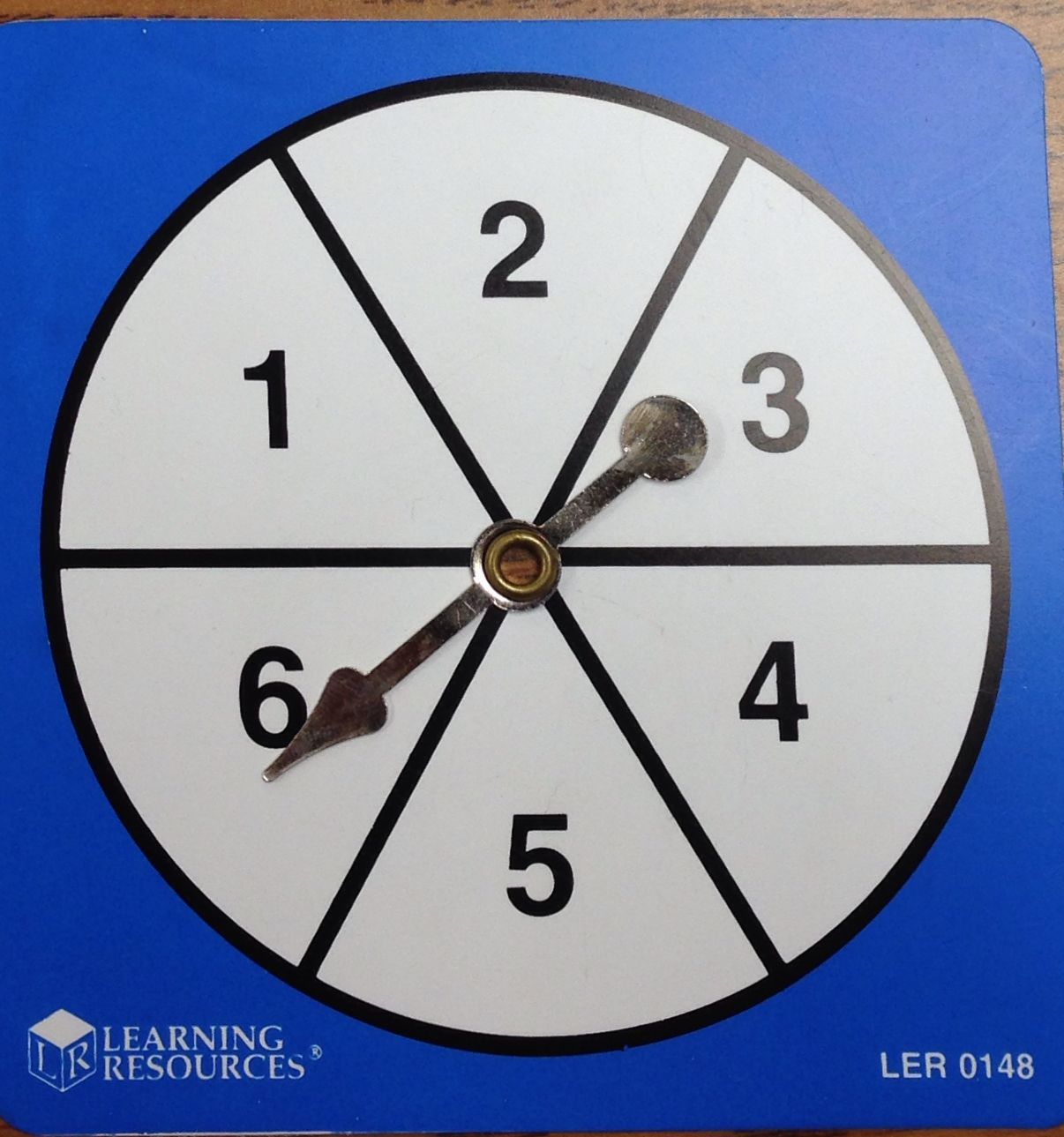
What is the probability of spinning an even number?
a)
3/50
b)
3/100
c)
1/2
d)
3/4
15.
Find the probability of rolling a 7 on a single die.
a)
1/6
b)
7/6
c)
0
d)
7/7
16.
A coin and a number cube with the numbers 1 through 6 are tossed. What is the probability of the coin showing tails and the number cube showing the number 3?
a)
1/12
b)
1/4
c)
1/8
d)
1/2
17.

P(not A) =
*Remember to simplify.*
*Remember to simplify.*
a)
6/8
b)
3/4
c)
2/8
d)
1/4
18.
A bag contains 30 pieces of candy. There are 15 grape, 7 cherry, 3 lemon, 5 strawberry. What is the probability of drawing a lemon?
a)
1/3
b)
30%
c)
3
d)
1/10
19.
A number cube is rolled twice. What is the probability of getting a 6 on the first roll, then a number less than 5 on the second roll?
a)
2/3
b)
5/36
c)
1/9
d)
1/36
20.
How do you find compound probability?
a)
Multiply your probabilities
b)
Add your probabilities
c)
Divide your probabilities
d)
Subtract your probabilities
100 %

