
 Worksheets
Unit 3 - Elements and Principles of Design -2023 DDP
Total questions: 25
Worksheet time: 12mins
Symmetry about a central axis
Asymmetry
Element
Graphic Design
Radial Symmetry
A repeated decorative design.
Texture
Pattern
Rhythm
Element
The feel, appearance, or consistency of a surface, substance, or fabric.
Value
Texture
Principle
Gestalt

The principle that maintains that the human eye sees objects in their entirety before perceiving their individual parts.
Texture
Gestalt/Composition
Shape
Aesthetic

The relationship of one thing to another in size, amount, etc.. Size or weight relationships among structures or among elements in a single structure.
Proportion
Principle
Symmetry
Harmony
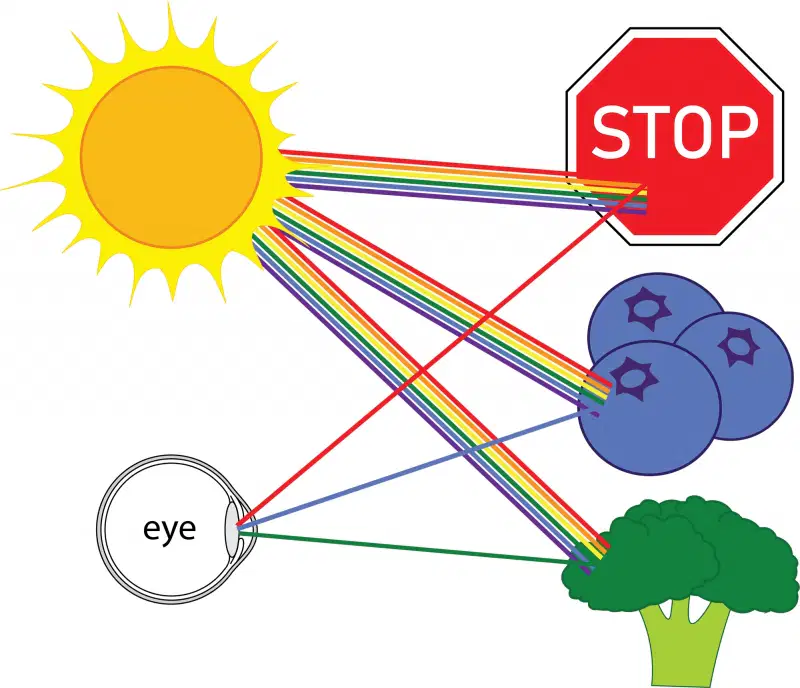
The property possessed by an object of producing different sensations on the eye as a result of the way it reflects or emits light.
shape
value
Space
Color

The state of being noticeably different from something else when put or considered together.
Contrast
Unity
Principle
Gestalt

A basic constituent of a part.
Pattern
Variety
Element
Harmony

1. The dimensions of height, depth, and width within which all things exist and move. 2. A free or unoccupied area or expanse.
Value
Space
Shape
Balance

1. The use of symbols to represent ideas or qualities. 2. The symbolic meaning attached to material objects.
Symbolism
Symbol
Proportion
Asymmetry
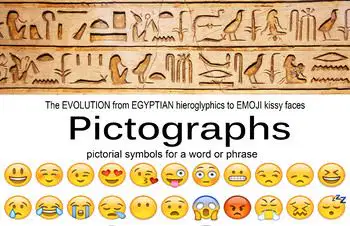
A pictorial symbol for a word or phrase.
Pattern
Pictograph
Aesthetic
Typography

The correspondence in size, shape, and relative position of parts on opposite sides of a median line or about a central axis. Also referred to as formal balance.
Proportion
Asymmetry
Informal Balance
Symmetry
The process of deciding what information needs to go into the graphic design, as well as how to effectively use the design elements and principles to present the information. This analysis is based on a thorough analysis of the audience.
Message Analysis
Symmetry
Graphic Design
Reverse Engineering
The state of being united or forming a whole.
Typography
Unity
Contrast
Rhythm
Special importance, value, or prominence given to something. → Emphasis
True
False
The two-dimensional contour that characterizes an object or area, in contrast to three-dimensional form. → Shape
True
False
The art of combining text and pictures in advertisements, magazines, books, etc. → Principle
True
False
The method of formation, operation, or procedure exhibited in a given instance. → Principle
True
False
Concerning or characterized by an appreciation of beauty or good taste. → Asymmetry
True
False
The style and appearance of printed matter. → Typography
True
False
The lightness or darkness of a color in relation to a scale ranging from white to black.
Shape
Value
1. Having the three dimensions of length, width, and depth. Also referred to as a solid. 2. The organization, placement or relationship of basic elements, as volumes or voids in a sculpture, so as to produce a coherent image.
Shape
Form
A thing which differs in some way from others of the same general class. → Variety
True
False
A regularly recurring sequence of events or actions. → Rhythm
True
False
pattern, rhythm/movement, proportion/scale, balance, unity, emphasis are known as the...?
principles of design
elements of design
elements of art
elements of design

