
NEW
Font size
 Worksheets
The Constitution Review
Total questions: 50
Worksheet time: 38mins
What is the Supreme law of the United States?
Declaration of Independence
Articles of Confederation
US Constitution
Magna Carta
Which is NOT one of the branches of government?
legislative
judicial
parliament
executive
What is the purpose of checks and balances?
to ensure no one branch of government becomes to powerful
to ensure power is divided up fairly between the Senate and House of Representatives
to ensure power is shared between the federal government and states
to protect citizens right to vote
How long does a Supreme Court Judge serve?
4 years
2 years
6 years
Life
Which branch of government's job is to interpret laws?
legislative
judicial
executive
congress

The Legislative Branch is organized by what part of the Constitution?
Article 1
Article 2
Article 3
The Bill of Rights

Another name for the Legislative Branch is
The Executive Branch
The Supreme Court
Congress
The Constitution

What is the main job of the Legislative Branch?
Evaluate laws
Make laws
Enforce laws
Ignore laws

How many parts are there to Congress
One
Two
Three
Four

One part of Congress is the...
President's Cabinet
Library of Congress
The Supreme Court
The House of Representatives

The other part of Congress is the...
House of Blues
President
Senate
Department of Defense

How many Senators are there in the Senate?
25
50
100
435

For how many years is a Senator in office?
Two years
Four years
Six years
Ten years

How many Representatives are in the House of Representatives?
25
50
100
435

For how many years is a Representative in office?
Two years
Four years
Six years
Ten years

Who is the leader of the Hosue of Representatives?
The President
The Vice President
The Speaker of the House
The Chief Justice of the Supreme Court

How many times can a Senator be elected to the Senate?
One time
Two times
Five times
There is no limit

How does Congress limit the power of the President?
Veto a bill
Declare a law unconstitutional
Impeachment power
Declare war
What is the main job/duty of the executive branch?
to make laws
to enforce laws
to go to war
to interpret laws
What is NOT a formal requirement to be president?
35 yrs old
14 years of residency
military service
born a citizen

Which article in the Constitution deals with the Executive Branch?
l
ll
lll
VII

A President is limited to serving their ____ year term no more than ____ times (or 10 years max). This is outlined in the ____ Amendment.
2;2; 22
6;2; 25
4;2; 22
4;4; 25

The Electoral College...
functions independently of the major political parties
provide for a winner-take-all system of election in all 50 states
requires that the candidate who receives a plurality of the votes (the most) will be elected to the office of president
requires that a candidate receive a majority (270 electoral votes) to be elected president.
Article Three of the Constitution covers the
Executive Branch
Legislative Branch
Judicial Branch
States
The Judicial Branch
makes laws
enforces laws
explains & interprets laws
vetoes laws
The number of justices on the Supreme Court are
7
11
5
9
How many justices must agree in order to make a decision about a case?
7 out of 9
4 out of 9
5 out of 9
6 out of 9
The head of the Supreme Court is called
Chief Justice
Grand Puba
President Pro Tempore
Speaker of the House
After Supreme Court Justices are appointed, they must be approved by the
The House of Representatives
President
State Legislatures
Senate
When the Supreme Court declares a law unconstitutional
the law gets passed
the law must be voted on by the people
the law must be rewritten
the law becomes void
Supreme Court Justices are appointed by
Senate
President
Congress
Cabinet
The term of Supreme Court Justices is
Life tenure
4 years
6 years
12 years
The first 10 amendments of the Constitution are known as
The Bill of Rights
The Articles of Confederation
The Declaration of Independence
The Twenty-Sixth Amendment lowered the voting age in the United States to:
16
21
18
The Nineteenth Amendment was ratified in 1920 and extended voting rights to about half of the adult population of the United States. Who gained the right to vote with the ratification of the Nineteenth Amendment?
Native Americans
African Americans
women
A major result of the Civil War was the freeing of slaves in the United States. Which amendment ended slavery and freed over four million people in 1865
12th Amendment
13th Amendment
21st Amendment
There was a tie between Thomas Jefferson and Aaron Burr in the electoral college in 1800 which led to the passage of the Twelfth Amendment. According to the Twelfth Amendment, electors in a presidential election must vote for
president
senators
president and vice president
The Fifth, Sixth, Seventh, and Eighth Amendments focus on providing fair application of the law to all individuals and protecting rights of the accused. Fair application of the law is called:
sovereignty
federalism
due process
Which amendment gives us the freedoms of speech, religion, assembly, the press, and petition?
1st
2nd
9th
10th
Which amendment grants rights to people accused of crimes?
1st
2nd
5th
10th
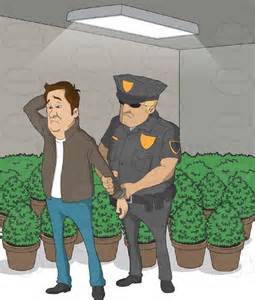
Suspects cannot be questioned (interrogated) until they are informed of their rights (right to remain silent, right to an attorney, etc.)
Brown v Board of Education
Miranda v Arizona
Tinker v Des Moines
Bush v Gore
Established the Supreme Courts power of “Judicial Review” to see if laws are Constitutional / Unconstitutional. (Judicial Branch interprets the laws)
Marbury v Madison
Hazelwood v Kuhlmeier
In Re Gault
District of Columbia v Heller
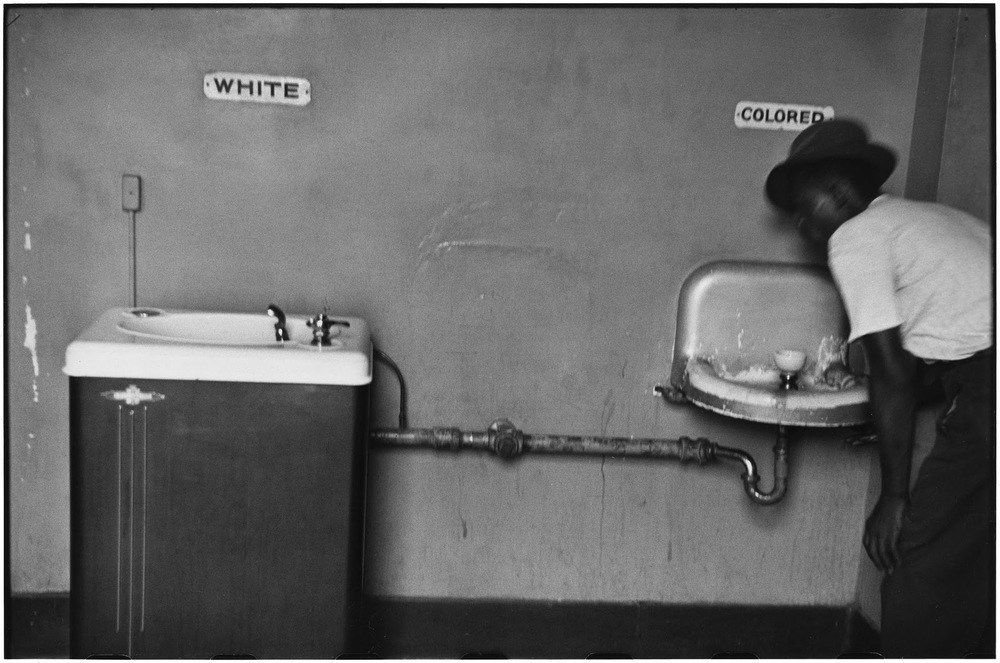
Established “Separate but Equal”, which provided separate public facilities for both whites and blacks as long as they were equal.
District of Columbia v Heller
In Re Gault
Brown v Board of Education
Plessy v Ferguson
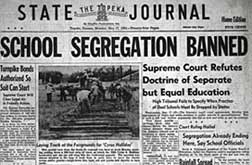
Ruled that “Separate but Equal” was Unconstitutional.
Hazelwood v Kuhlmeier
Marbury v Madison
Plessy v Ferguson
Brown v Board of Education
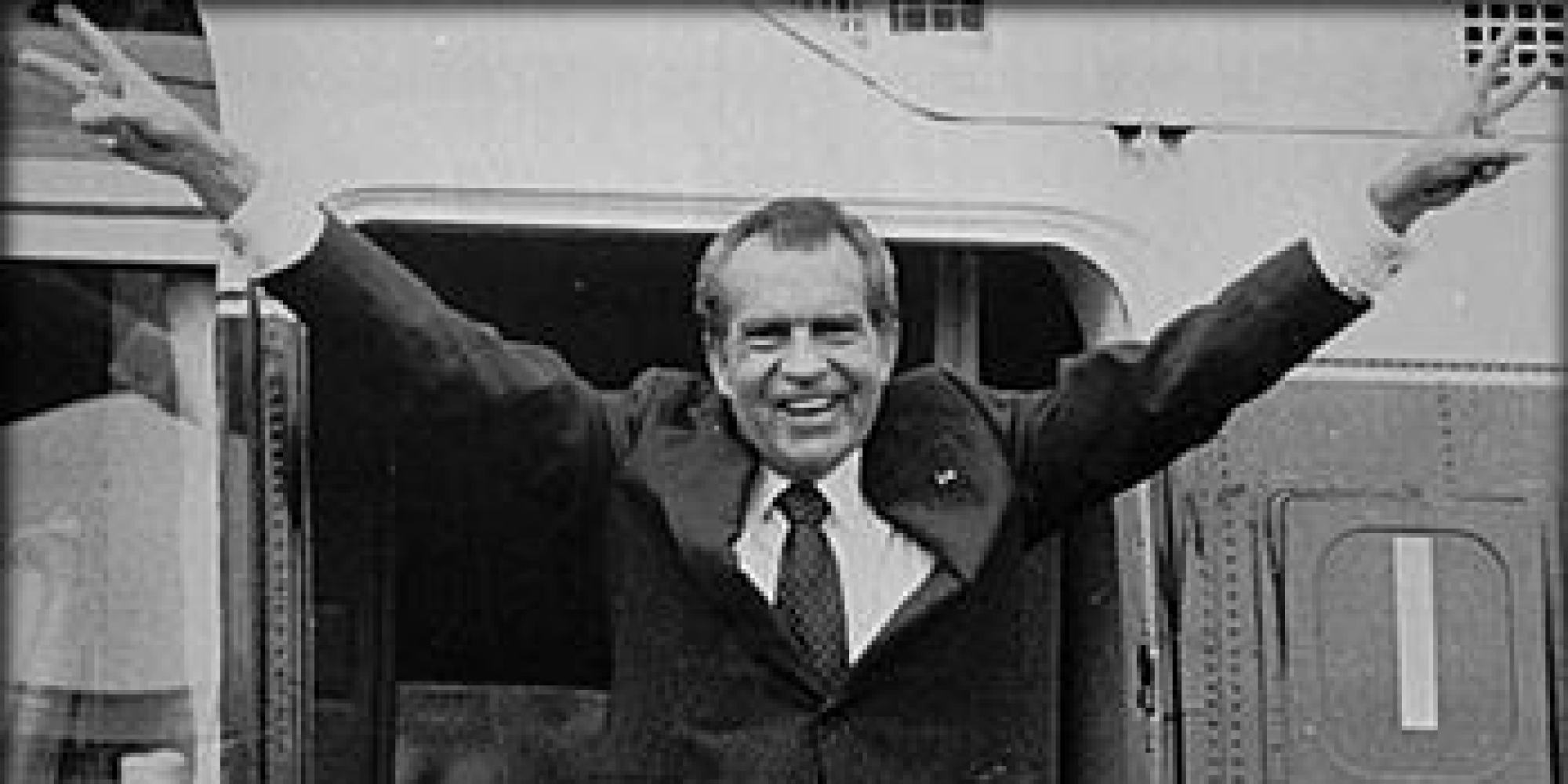
No one is above the law...not even the president.
Bush v. Gore
Marbury v. Madison
Miranda v. Arizona
U.S. v. Nixon
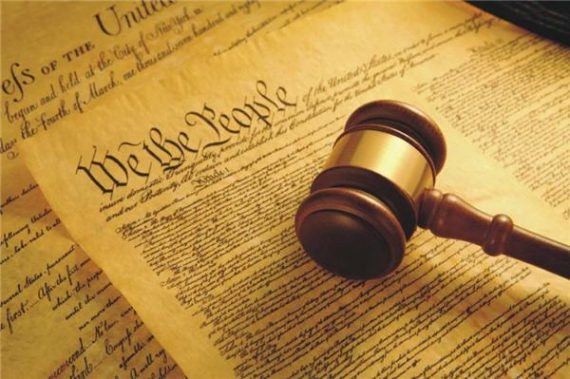
What is it called when the U.S. Supreme Court decides whether something is legal or illegal (unconstitutional)?
supreme court review
due process
segregation
judicial review

