
Font size
 Worksheets
Thermal Effect, Torque and more
Total questions: 36
Worksheet time: 26mins
What is an electric heater?
It is:
• an mechanical device
• that converts
• an electric current
• into heat.
It is:
• an electrical device
• that converts
• an electric current
• into heat.
It is:
• an electrical device
• that converts
• an electric current
• into wind.
It is:
• an electrical device
• that converts
wind
• into heat.
The heating element inside every electric heater,
is an ...
blowing resistor
mechanical resistor
electrical pan
electrical resistor.
What is Joules Heating?
An electric current passing through a resistor, will convert that electrical energy into heat energy.
An electric current passing through a resistor, will convert that electrical energy into wind energy.
An electric current passing through a resistor, will convert that electrical energy into energy.
An electric current passing through a conductor, will convert that electrical energy into heat energy.
What is meant by heating effect of electric current?
When an electric current passes through a conductor, (wire) the conductor becomes hot after some time
and produces heat.
When an electric current passes through a conductor, (wire) the conductor becomes cold after some time
and produces heat.
When an electric current passes through a conductor, (wire) the conductor becomes hot after some time
and produces ice.
When an electric current passes through a insulator, (wire) the conductor becomes hot after some time
and produces heat.
What is thermal effect of electric current ?
The greater the resistance in the wire
to the flow of current, the greater the heat.
The lower the resistance in the wire
to the flow of current, the greater the heat.
The less the resistance in the wire
to the flow of current, the greater the heat.
The smaller the resistance in the wire
to the flow of current, the greater the heat.
What are the factors affecting the heat, due to electric current?
Intensity (strength) of the current “I”
Time of the flow of the current “t”
Resistance of the conductor “R”
Time of the flow of the current “t”
Resistance of the conductor “R”
Intensity (strength) of the current “I”
Time of the flow of the current “t”
Resistance of the conductor “R”
Intensity (strength) of the current “I”
The heat produced by an electric current is...
equal to the
the time for which it flows.
equal to the
product of the resistance of the conductor,
the square of the current,
and the time for which it flows.
is equal to
the square of the current,
and the time for which it flows.
equal to the
product of the resistance of the conductor.
The formula for Electrical Power is...
P = VI
P = VIt
P = Vtt
W = VIt
What is the formula for Joule's Law?
Q = I2 x R x t
Q = I2 x R x T
Q = I2 + R + t
Q = I x R x t
The heat generated by the electric heater, is equal to the work done by the current.
Always
Sometimes
Seldom
Never
I = V/R
= 220 V/55 Ω
=
8 A
4 V
4 Ω
4 A
Unit for Current is...
I
V
A
C
Unit for Resistance is...
C
S
R
Ω
Unit for Time is...
T
s
t
h
Unit for Heat is...
H
J
Q
h
What is the unit for electrical resistance?
C
S
R
Ω
Define the thermal effect of electric current.
The greater the resistance in the wire to the flow of current, the greater the heat.
The lower the resistance in the wire to the flow of current, the greater the heat.
The higher the resistance in the wire to the flow of current, the greater the heat.
The smaller the resistance in the wire to the flow of current, the greater the heat.
What is the formula for calculating electrical power?
W = VIt
C = VIt
W = Vtt
W = WIt
What is the relationship between the intensity of the current, resistance of the conductor, and time of the flow of the current in generating heat?
Intensity of the current and resistance of the conductor are inversely proportional to the heat generated, while time of the flow of the current is directly proportional.
Intensity of the current and resistance of the conductor are directly proportional to the heat generated, while time of the flow of the current is inversely proportional.
Intensity of the current and time of the flow of the current are directly proportional to the heat generated, while resistance of the conductor is inversely proportional.
Resistance of the conductor and time of the flow of the current are directly proportional to the heat generated, while intensity of the current is inversely proportional.
Explain the concept of Joules Heating in the context of electric current passing through a resistor.
Joules Heating refers to the conversion of electrical energy into heat energy when an electric current passes through a resistor.
Joules Heating refers to the conversion of electrical energy into wind energy when an electric current passes through a resistor.
Joules Heating refers to the conversion of electrical energy into energy when an electric current passes through a resistor.
Joules Heating refers to the conversion of electrical energy into heat energy when an electric current passes through a conductor.
What component is the heating element inside every electric heater?
Blowing resistor
Mechanical resistor
Electrical pan
Electrical resistor
Examples of thermal energy is...
Solar energy
Heat energy
Melting ice
All of it
Why is 1 kWh equal to 3.6 MJ?
Since one kilowatt (kW) is equal to 10 watts,
one watt is equal to one Joule per second,
and one hour is equal to 36 seconds,
Since one kilowatt (kW) is equal to 100 watts,
one watt is equal to one Joule per second,
and one hour is equal to 360 seconds.
Since one kilowatt (kW) is equal to 1000 watts,
one watt is equal to one Joule per second,
and one hour is equal to 3600 seconds.
Since one kilowatt (kW) is equal to 10 000 watts,
one watt is equal to one Joule per second,
and one hour is equal to 3 6000 seconds,
An electrical billing unit comes how many times for payment?
1 x in 1 year
4 x 4 years
6 x in 6 months
8 x per year
The unit for torque is __________
Watt
Newton-meter
Power
Voltage
A type of energy meter
Watt meter
Mechanical meter
Electromechanic meter
Electron meter
True or false:
Torque is a measure of rotational force
True
False
Sometimes
A and C
Torque is measured in ___________
Force
Meter
Newton meter
Newton
True or false:
A shorter lever arm will produce smaller torque
True
False
Maybe
Sometimes
What effect does an increase in resistance have on the heat produced according to Joule's law?
Decreases the heat produced
Increases the heat produced
Does not affect the heat
Halves the heat produced
What happens to the torque on an object if the force applied is doubled?
Torque is halved
Torque is quadrupled
Torque remains the same
Torque doubles
The lever arm is the ______ distance between the line of action of the force and the center of rotation.
Parallel
45O
0O
Perpendicular
Make a drawing of an electric device with an resistor that can show the Joules heating effect.

Which picture is not connected with Joules Law?

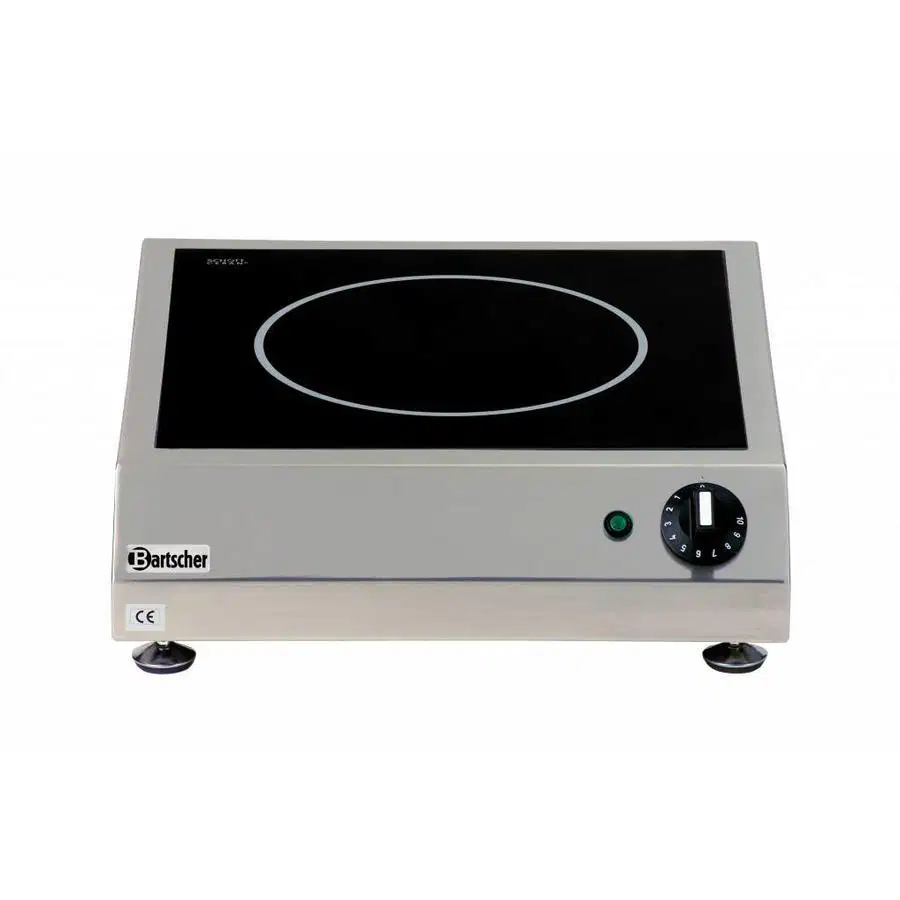


Make a drawing of your Physics teacher
Make a drawing of your Physics teacher

