wayground logo

Free Printable Worksheets

Font size

S
M
L
XL
Worksheets

Great Depression/ 1930s OJH

Total questions: 45

Worksheet time: 25mins

Name
Class
Date
1.
Republican president from 1929-1933, who predicted while running for office, "We shall soon ... be in sight of the day when poverty will be banished from this nation."
a)
Herbert Hoover
b)
Franklin D. Roosevelt
c)
Calvin Coolidge
d)
Harry Truman
2.
buying and selling stocks in the hope of making a quick profit
a)
speculation
b)
buying on margin
c)
recession
d)
depression
3.
paying a small part of a stock's price as a down payment and borrowing money to pay for the rest
a)
buying on margin
b)
speculation
c)
recession
d)
depression
4.
the plunge in stock market prices due to millions of shares of stocks being sold
a)
Crash of 1929
b)
Great Depression
c)
New Deal
d)
Second New Deal
5.
a period lasting from 1929 to 1941, in which the U.S. economy was in severe decline and millions of Americans were unemployed
a)
Great Depression
b)
Crash of 1929
c)
deficit spending
d)
sit-down strike
6.
a government-funded project to build public resources such as roads and dams
a)
public works projects
b)
Bonus Army
c)
Social Security Act
d)
fireside chat
7.
in 1932, thousands of veterans streamed into Washington D.C. demanding bonuses that they never received
a)
Bonus Army
b)
Hoovervilles
c)
Dust Bowl
d)
sit-down strike
8.
production of a nation's goods and services goes down each month for six months, workers are laid off
a)
recession
b)
depression
c)
liberal
d)
conservative
9.
production of goods and services drops lower than a recession, no economic growth for longer than six months, higher unemployment, and spreads to other countries
a)
depression
b)
recession
c)
liberal
d)
conservative
10.
"We cannot legislate ourselves out of a world economic depression. We can and will work ourselves out." Herbert Hoover
a)
rugged individualism
b)
Hoover Flags
c)
liberal
d)
conservative
11.
empty pockets turned inside out
a)
Hoover Flags
b)
Hoovervilles
c)
fireside chat
d)
Dust Bowl
12.
villages of wretched huts that housed homeless people
a)
Hoovervilles
b)
Hoover Flags
c)
deficit spending
d)
Dust Bowl
13.
Democratic president from 1933-1945, who is the only president to serve for 12 years and the only wheelchair-bound president
a)
Franklin Delano Roosevelt
b)
Herbert Hoover
c)
Calvin Coolidge
d)
Harry Truman
14.
radio talks from President Roosevelt that explained his policies in a warm, friendly style
a)
fireside chat
b)
sit-down strike
c)
public works projects
d)
Bonus Army
15.
FDR's programs to fight the Depression that focused on relief, recovery and reforms related to jobs, banking, wages, and agriculture
a)
New Deal
b)
Second New Deal
c)
Social Security Act
d)
Securities and Exchange Commission
16.
from March 9, 1933 until mid June 1933, FDR sent Congress many new bills
a)
Hundred Days
b)
Second New Deal
c)
New Deal
d)
deficiti spending
17.
a law, passed in 1935, that requires workers and employers to make payments into a fund, from which they draw a pension after they retired
a)
Social Security Act
b)
New Deal
c)
Securities and Exchange Commission
d)
Great Depression
18.
a set of programs passed in 1935 to fight the Great Depression, including the Social Security Act
a)
Second New Deal
b)
New Deal
c)
Social Security Act
d)
Securities and Exchange Commission
19.
to use borrowed money to fund government programs
a)
deficit spending
b)
recession
c)
depression
d)
public works projects
20.
the area of dust-damaged farms across a 150,000 square-mile region during the early 1930s
a)
Dust Bowl
b)
Great Depression
c)
Hoovervilles
d)
Bonus Army
21.
worked as FDR's ears and eyes by touring the country, visiting coal mine, work camps and hospitals to find out how government programs were working
a)
Eleanor Roosevelt
b)
Herbert Hoover
c)
Harry Truman
d)
Calvin Coolidge
22.
a labor organization that broke away from the American Federation of Labor in 1938
a)
Congress of Industrial Organizations (CIO)
b)
New Deal
c)
Second New Deal
d)
Securities and Exchange Commission
23.
a strike in which workers remain idle inside the plant or factory
a)
sit-down strike
b)
Hoover Flags
c)
liberal
d)
conservative
24.
an agency that watches the stock market and makes sure companies follow fair practices for trading stocks
a)
Securities and Exchange Commission
b)
New Deal
c)
Second New Deal
d)
Congress of Industrial Organizations (CIO)
25.
a person who favors government action to bring about social and economic reform
a)
liberal
b)
conservative
c)
Bonus Army
d)
speculation
26.
a person who favors fewer government controls and more individual freedom in economic matters
a)
conservative
b)
liberal
c)
buying on margin
d)
speculation
27.

Boys who left their families in search of work

a)

Hobos

b)

Immigrants

c)

Refugees

d)

Nationalists

28.

This meant people tried to keep warm with newspapers.

a)

Hoover Blanket

b)

Hooverville

c)

Hoover Flag

d)

Hoover Vacuum

29.

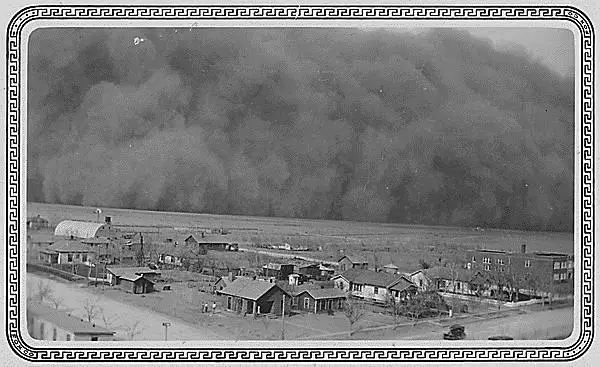
What was this type of storm called?

a)

Black Blizzard

b)

Snow Blizzard

c)

Tornado

d)

Stock Market Crash

30.

What group formed to help people in the Dust Bowl, in particular, conserve the environment and get back to work with construction jobs, such as building bridges, dams, and roads?

a)

Civilian Conservation Corps

b)

Bonus Army

c)

Social Security Act

d)

Congress of Industrial Organizations

31.

a series of informal raids that took place around the United States during the Great Depression, when local governments and officials deported up to 1.8 million people to Mexico

a)

Mexican Repatriation

b)

Mexican Inclusion

c)

Mexican Independence

d)

Mexican Camps

32.

Which athlete proved Hitler's race theory was wrong in the 1936 Olympics by winning four gold medals?

a)

Jesse Owens

b)

Shaun White

c)

Dorothea Lange

d)

Ozzie Guillen

33.

Who is the famous photographer, who captured pictures like the "Migrant Mother". She showed people suffering and got into trouble for not only photographing white people.

a)

Jesse Owens

b)

Lewis Hine

c)

Dorothea Lange

d)

Eleanor Roosevelt

34.

In the Depression years, many teachers

a)

lived in the schools

b)

had their pay cut

c)

lost their jobs

d)

All of the above

35.

What word means a form of paper money that can only be used in local stores?

a)

malnutrition

b)

scrip

c)

taxes

d)

migrant

36.

Bonus: What event finally ended the Great Depression?

a)

World War I

b)

World War II

c)

FDR Passed Away

d)

Prohibition Ended

37.

A person who works to improve the lives of others

a)

humanitarian

b)

president

c)

senator

d)

delegate

38.

What did Herbert Hoover try to do to help when the stock market crashed and the Great Depression began?

a)

lower taxes

b)

increase public works

c)

limit government intervention

d)

all of the above

39.

What did Herbert Hoover do during WWI and WWII?

a)

worked to feed refugees in Europe

b)

serve in the military

c)

run for public office

d)

train Navajo Code Talkers

40.

created by the Banking Act of 1933, enacted during the Great Depression to restore trust in the American banking system and ensures deposits made to banks

a)

CCC

b)

FDIC

c)

FDR

d)

BPA

41.

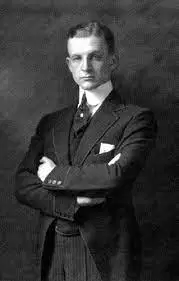
What right did Benjamin Sumner Welles have violated?

a)

Dorothea Lange took his picture and used it without permission

b)

He was sent to live in Mexico due to the Mexican Repatriation

c)

He was forced to stay in a Japanese American internment camp

d)

He was fired from his government job because an investigation showed he was gay
42.

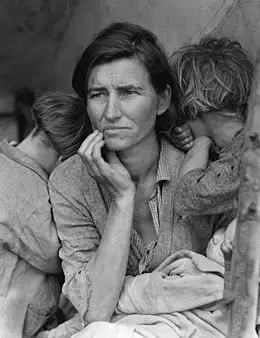
Who took this iconic photo of the "Migrant Mother"?

a)

Eleanor Roosevelt

b)

Jesse Owens

c)

Benjamin Sumner Welles

d)

Dorothea Lange

43.

What does Adolf Hitler have to do with the Great Depression?

a)

Hitler tried to work with FDR to create similar programs in Germany to get them out of the depression

b)

Hitler tried to get Mexico to invade the U.S. for all of the people illegally sent to Mexico during the Mexican Repatriation

c)

Germany was also in a depression, and Hitler used that to get people to side against the Jews through his speeches

d)

Hitler and Hoover both believed in the government being hands off and did not do a lot for the suffering people

44.

Bonus: Who were "Okies"?

a)

Another word for hobos

b)

People who survived the Great Depression without any problems

c)

Another name for the New Deal and Second New Deal programs

d)

People who left Oklahoma and went to California for better opportunities
45.

Bonus: What was Black Sunday?

a)

One of the worst black blizzards in which the dirt and dust was found over 300 miles away on ships

b)

The day the Stock Market crashed

c)

The day African Americans asked FDR to sign a Civil Rights Act, and he refused

d)

The day the Japanese bombed Pearl Harbor