
 Worksheets
US Test Review - Industry, Immigration, and Imperialism
Total questions: 73
Worksheet time: 38mins
Most immigrants were skilled and well educated workers.
TRUE
FALSE
Where did most immigrants during the late 19th and early 20th century (Gilded Age) come from?
East Asia
Southern and Central Europe
Mexico
Middle East
Many immigrants flocked to the nation's cities because of:
Shopping
Entertainment
Education
Employment
Henry Ford revolutionized the factory system with the invention of the
assembly line
production line
speedy system
firing workers that did nothing
Andrew Carnegie was considered a "titan" or "giant" of the ___________ industry.
oil
steel
railroads
Rockefeller's Standard Oil used what to combine his company with his competitors?
corporate scheme
bargaining strategies
trust
True or False:
Carnegie owned many levels of steel production in order to sell his steel cheaper than his competitors.
True
False
Factories were typically located in
rural areas
urban areas
suburban areas
What led to the creation of modern cities like New York and Chicago?
population decreases in urban areas
population increases in urban areas
significant drop in pricing of land in urban areas
What lured many immigrants to come to America? Select all that apply.
promise of freedom
promise of opportunity
factory jobs
nothing
Tensions between workers and the business owners would ultimately lead to what?
strikes
quitting their jobs
staying quiet and working
bribing their boss to pay them more
True or False:
Low levels of corruption in both the garment industry and city government generally ensured that no useful precautions were taken to prevent fires.
True
False
The main immigration processing station in San Francisco was called:
Angel Island
Ellis Island
Tammany Hall
Hull House
The illegal use of political influence for personal gain, a form of bribery, is called:
Nativism
Civil Service
Graft
Gentlemen's agreement
The main goal of the Americanization movement was to:
limit the number of immigrants entering the country
assimilate people of various cultures into the dominant culture
improve living conditions of the poor
encourage people to move from rural areas to urban ones
The main goal of the Chinese Exclusion Act was to:
decrease Chinese immigration
create segregated classrooms (Chinese/American)
settle a disagreement of trade between China and America
stop Chinese Americans from attending college in the United States
An example of a patronage would be:
bribing a government official
assassinating a public official
saying one thing and doing another
appointing a friend to a political position
Which of the following had some of the same goals as the Americanization movement?
settlement houses
Gentlemen's Agreement
Chinese Exclusion Act
Patronage
Nativism is:
Embracing diversity
Disliking immigration
Moving out of the U.S.
Liking Native Americans
Identify “push” factors that brought people from around the world to the US
Free Education, jobs and rights
Famine, discrimination, no jobs , couldn't own land
No diversity, bad leaders and bad schools
What was the name of the island where most immigrants coming from Europe had to go through a medical inspection before they were let into the U.S.?
Ellis Island
Liberty Island
New York Island
What are Nativists?
People from another country
People who hate immigrants and want their country's culture to stay the same
Native Americans
Which best describes the working conditions of most immigrants?
Most immigrants worked long hours in low-paying industrial jobs
Most immigrants worked as farmers in rural areas
Most immigrants worked as bookkeepers or other professional jobs
Most immigrants worked as tailors or other skilled jobs
What group of people were the first to be restricted from immigration into the US?
Irish
Chinese
Germans
Italians
Why did most Chinese come to America?
To work for less money and take jobs from Americans
To search for gold and build railroads
To protest against the unions
This term means the growth of cities especially during the Gilded Age
Urbanization
Industrialization
Immigration
Ruralization
Identify “push” factors that brought people from around the world to the US
Free Education, jobs and rights
Famine, discrimination, no jobs , couldn't own land
No diversity, bad leaders and bad schools
Identify “pull” factors that brought immigrant groups to the U.S.
Famine, lack of freedom and persecution.
Children could work, the diversity of food they could buy, ghettos
More Freedom, jobs, could own land, free education
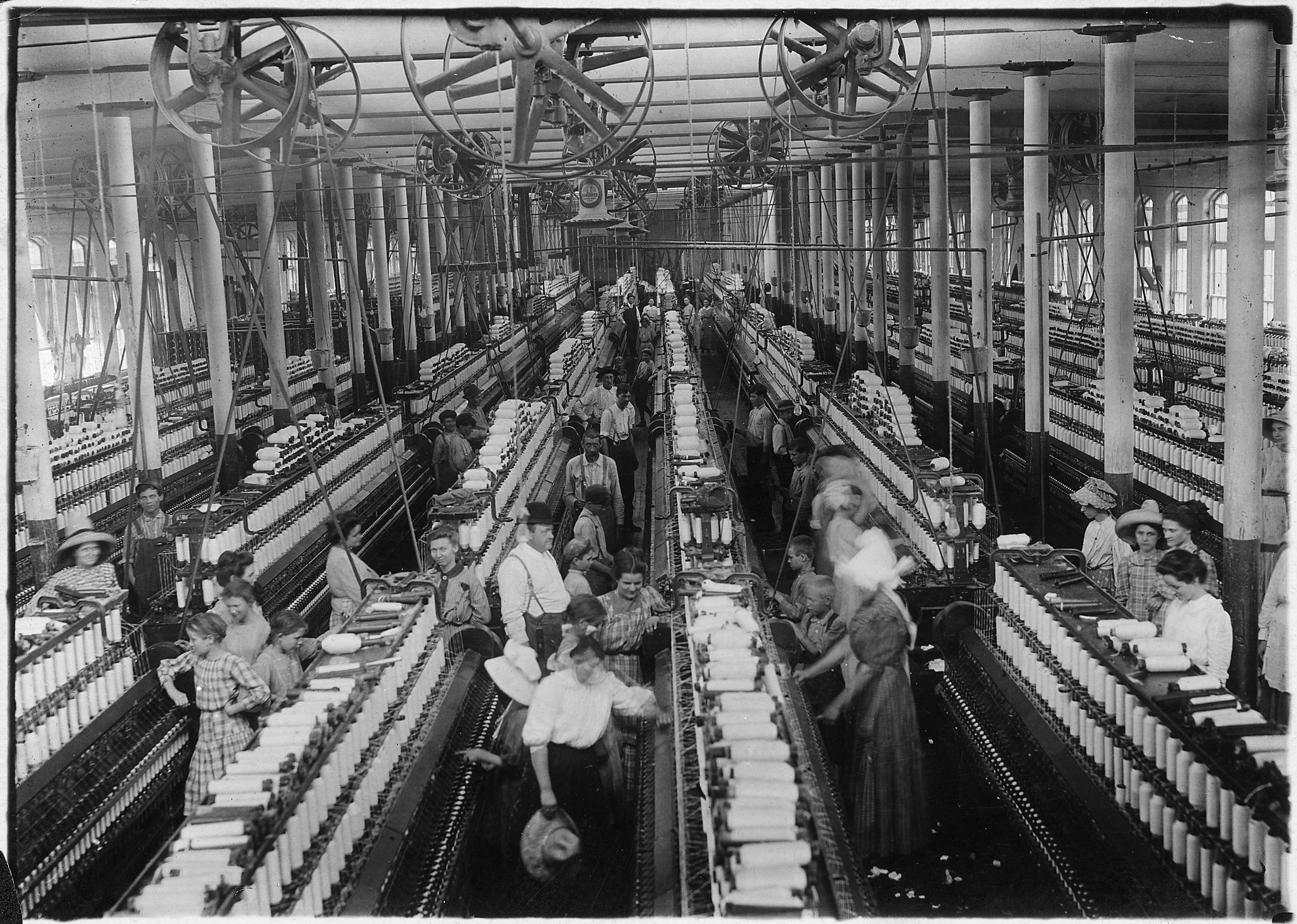

What was a common characteristic of the Pullman Strike, Haymarket Affair, and Homestead Strike?
They were defeats for owners
They were victories for unions
They became violent
They were victories for workers
What are companies who dominate a specific industry (steel, oil, etc.) called?
Monopolies
Local Business
Corporations
Competitors


What is Imperialism?
The policy in which stronger nations extend their powers to weaker nations
To control weaker nations
The policy in which nations control weaker nations with their powers
To control stronger nations
Why did America start to utilize imperialism?
America wanted to expand their borders to where they would be able to control the world.
America became annoyed that other, smaller nations were trying to acquire nations themselves, so America countered.
America became convinced by the other imperialist powers to also use their strength as a nation.
Where was Pearl Harbor located?
Puerto Rico
Cuba
Alaska
Hawaii
Yellow Journalism is...
the exaggerating of news and journals to make them more exciting and enticing for readers
the art of painting journals yellow
yellow journals that had exaggerated details
the exaggerating of news in order to engage readers
What three factors fueled the American's desire for imperialism?
Increase in Food
Thirst for new markets
Need in more land
Desire for military Strength
Belief in cultural superiority
William Seward...
Bought Alaska
Bought Hawaii
Bought Cuba
Bought Canada
Bought the Moon
José Martí was...
A Cuban Journalist who wanted to start a revolution in New York.
A New Yorker that wanted to start a revolution in Alaska.
An Alaskan man who started a revolution in New York.
A Cuban poet who started a revolution in Alaska.
A Cuban poet and journalist in exile in New York, where he started a revolution.
What was the affect of the Spanish-American war on US expansion?
the war allowed the US to acquire Texas territory
the war ended US expansion because of the extraordinary cost of the war
the war led to increased US expansion into southern South America
the war gave the US territories in the Pacific

the headlines in this paper are a good example of?
yellow journalism
muckraking literature
investigative reporting
government censorship
This event is associated with the outbreak of war between Spain and the US in 1898?
the sinking of the USS Maine
the Pancho Villa raids
the sinking of the Lusitania
the announcement of Mexican independence
William Randolph Hearst reportedly sent a message to his photographer in Cuba in where he said "You provide the photographs and I'll furnish the war." Which technique was Hearst using?
Muckraking
trancendentalism
censorship
yellow journalism


The Treaty of Paris resulted in the US acquisition of-
Honduras, Colombia, and Cuba
Mexico, Venezuela, and Chile
Samoa, the Philippines, and Hawaii
the Philippines, Guam, and Puerto Rico
One effect of the Spanish American War was-
the US becoming an imperial power
Spain defeated the United States
the US annexed Hawaii
True or False: The Platt Amendment granted full independence to Cuba.
True
False


