
NEW
Font size
 Worksheets
Ecology Test REVIEW
Total questions: 20
Worksheet time: 3600secs
Which of the following would NOT occur during succession?
nutrients being cycled through the soil from dead/decaying plants and animals
gradual increase in soil leading to larger plant species
all plant life dying
larger plant roots make soil more stable

During which stage will this ecosystem support the largest variety of plant and animal species?
1
2
3
4
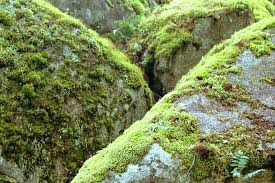

Based on the image, what 2 things are needed for larger plants and trees to grow?
deep soil & nutrients in the soil
a pioneer species and a secondary species
lots of soil and water
bare rock with mosses & lichens
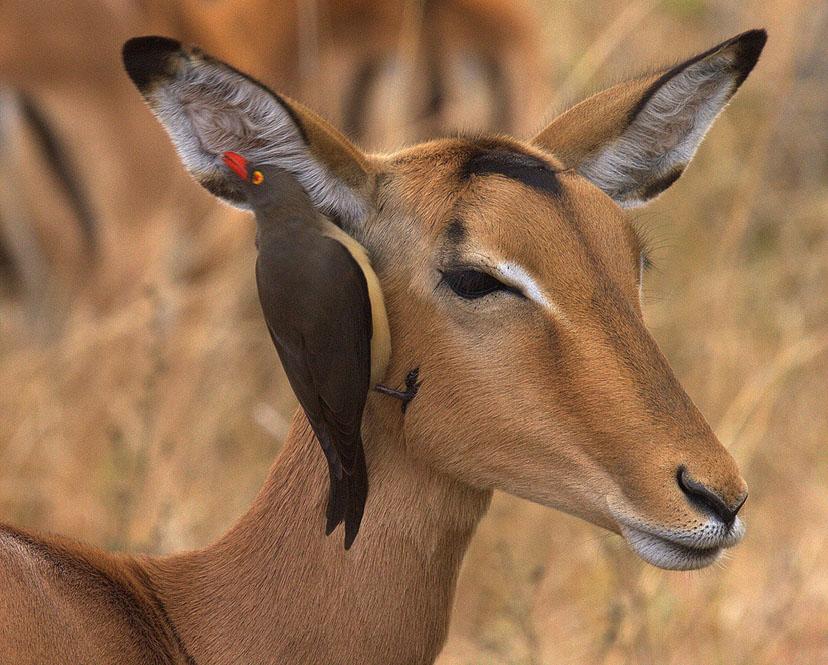
One organism hunts and eats another organism.
predation
mutualism
carnivore
parasitism
In an ecosystem, lizards are observed eating members of the insect population. In this same ecosystem, birds are also observed using insects as a food source. The relationship between lizards and birds would best be described as –
predation
competition
parasitism
mutualisim

Maria and her classmates are observing animals at the pond. They notice that wood storks and ibisies both feed on fish. Which of these describes the relationship between these two birds?

Cattle egrets forage (feed) in fields among cattle. The egret gets easy access to flying insects stirred up by the cattle, and the cattle don't care if they are there or not. They have what type of relationship?
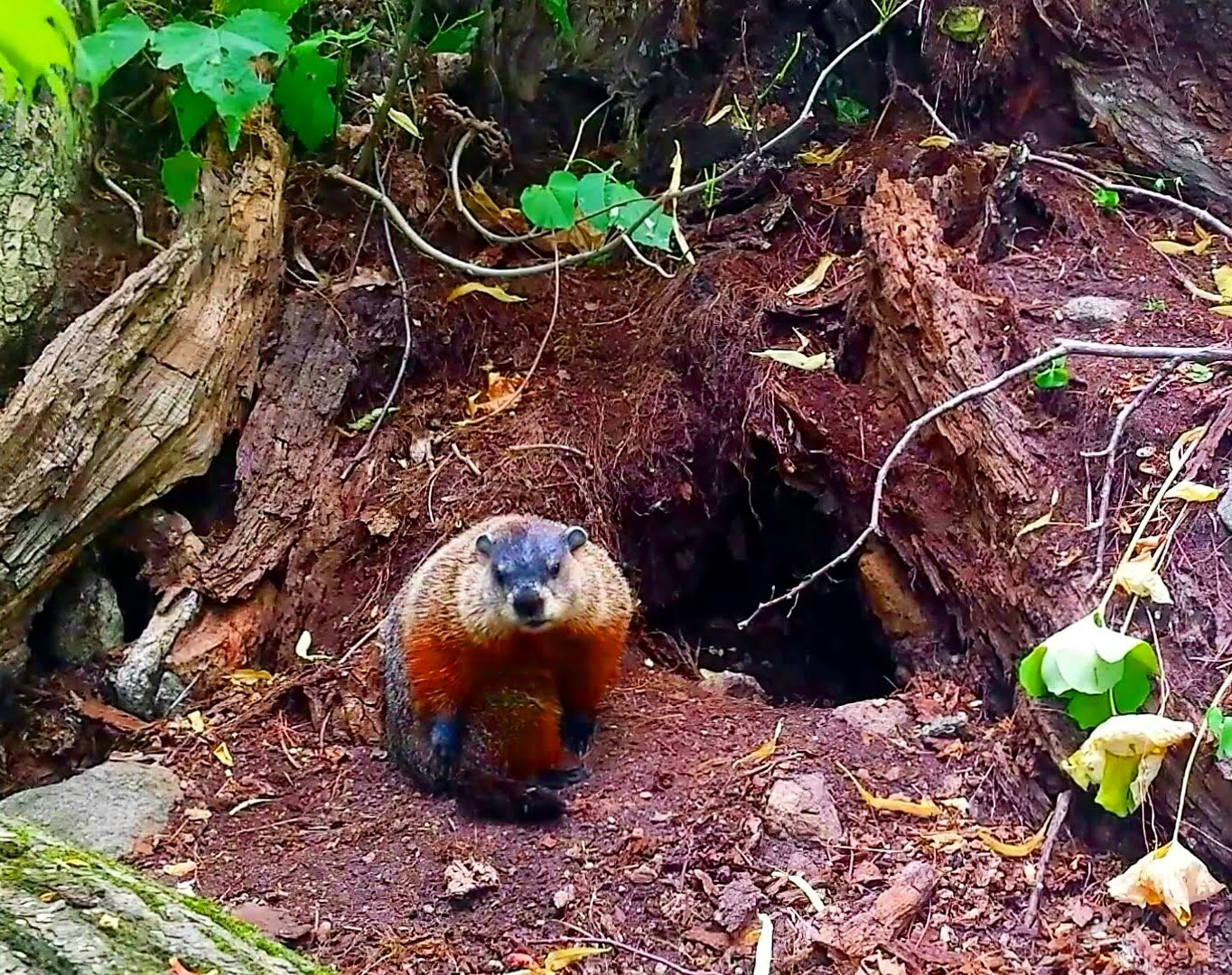
What is the result of organisms not having a consumer that eats them?
their population will decrease
nothing will be different
their population will increase


If the producers have 10,000 kcal how much do the secondary consumers have?

How do plants get the nitrogen that they need?
from the air
from the soil
from animals
they make it

What happens to all living organisms in an ecosystem when they die?
adaptation
fermentation
decomposition
production

Which process that puts carbon dioxide into the air is represented by "A" in this diagram?
evaporation
runoff
percolation
respiration

Which statement below is supported by the graph?
there were less birds in the 1970's than there were in the 2000's.
the bird population had declined since the 1970's
every state has the same number of birds
the birds have the best habitats in Illinois and West Virginia.

penguin
squid
krill
seagull

