
 Worksheets
Quarter 3 Extra Credit
Total questions: 131
Worksheet time: 2hrs 45mins

What is the name of this iconic building?
Eiffel Tower
Jesus Christ Statue
Liberty Statue
Miss. Ernawati Statue

What is the name of this iconic building?
Eiffel Tower
Jesus Christ Statue
Liberty Statue
Miss. Ernawati Statue


What is the circled ocean?
Pacific Ocean
Alantic Ocean
Black Sea
English Channel
What is the largest country (by population)?
Russia
Brazil
USA
China
What is the largest country (by land mass)?
China
Canada
Madagascar
Russia

What continent is circled?
Brazil
Africa
South America
Iceland
What is the largest Island
Madagascar
Iceland
Greenland
Great Britain
Where is Asia


What continent is Mount Everest in?
Europe
Asia
North America
Greenland
What is the longest river in the world?
Nile River
Amazon River
Thames River
Yellow River
What is the Smallest country in the world (by land mass)
Vatican City
Iceland
Tuvalu
Monaco
What is the largest body of water?
Pacific Ocean
Atlantic Ocean
North Sea
Black Sea
Which map shows the Japanese archipelago?


What is the biggest continent?
Africa
Asia
Europe
North America
London is one of the most populated cities in which continent?
Europe
Antarctica
Africa
North America

What is #1?
North America
South America
Africa
Europe

What is #2?
North America
South America
Australia
Antarctica

What is #3?
Europe
Asia
Australia
North America

What is #4?
Asia
Australia
South America
Europe

What is #5?
Australia
Africa
Europe
Asia

What is #6?
Africa
Asia
Europe
North America

What is #8?
Indian Ocean
Arctic Ocean
Southern Ocean
Pacific Ocean

What is #9?
Arctic Ocean
Pacific Ocean
Atlantic Ocean
Indian Ocean

What is #10?
Atlantic Ocean
Pacific Ocean
Indian Ocean
Southern Ocean

What is #11?
Pacific Ocean
Atlantic Ocean
Indian Ocean
Arctic Ocean


What is debt?
Another word for death
Something, typically money, that is owed or due
A loan on which you do not have to pay interest
That which is incurred during childhood and consummated in college

What is a credit card?
The ace of diamonds
A large plastic card designed to ruin consumer's finances
A small plastic card issued by the government attached to a line of credit
A small plastic card issued by a bank and attached to a line of credit
The 'memo' section is for your signature.
True
False
Always include the month, day, and year when writing the date.
True
False
It's okay to erase and use whiteout to fix mistakes on a check.
True
False
It's safer to print instead of sign your name at the bottom of the check.
True
False
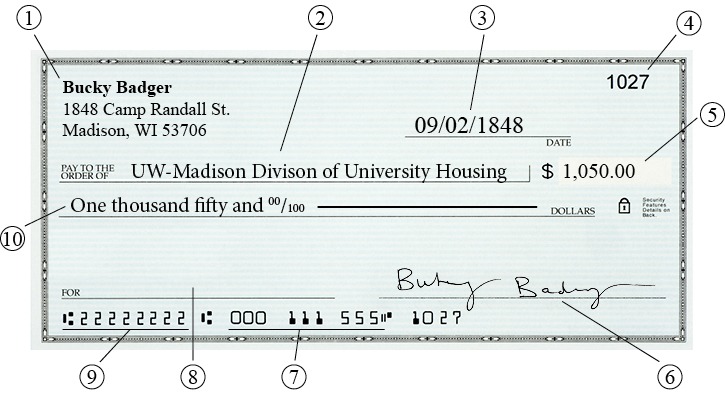
What is number 1?
Payor
Payee
Date
Amount
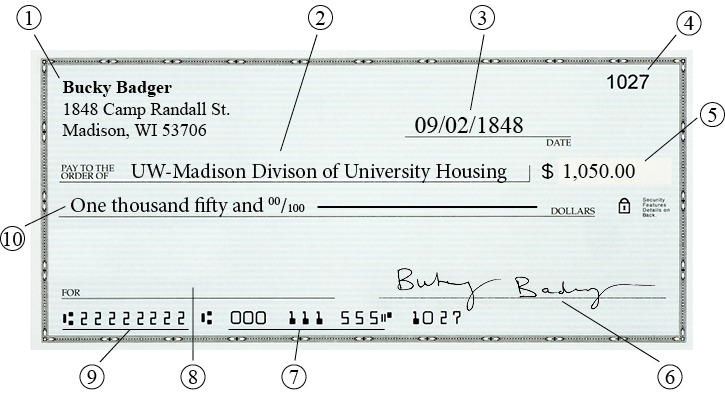
What is labeled 2?
Date
Payor
Payee
Signature
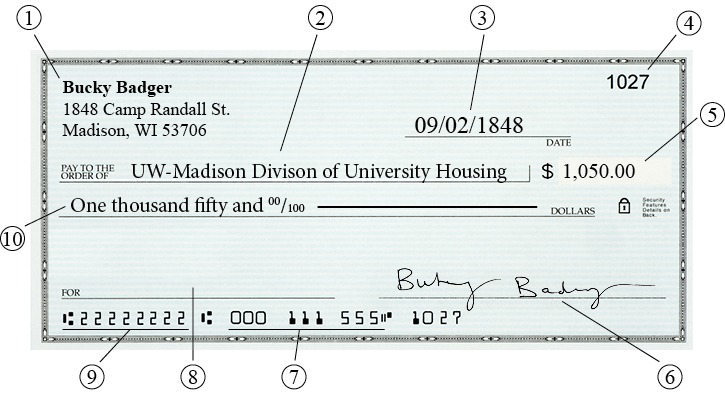
What is labeled number 3?
Check number
Payee
Date
Account number
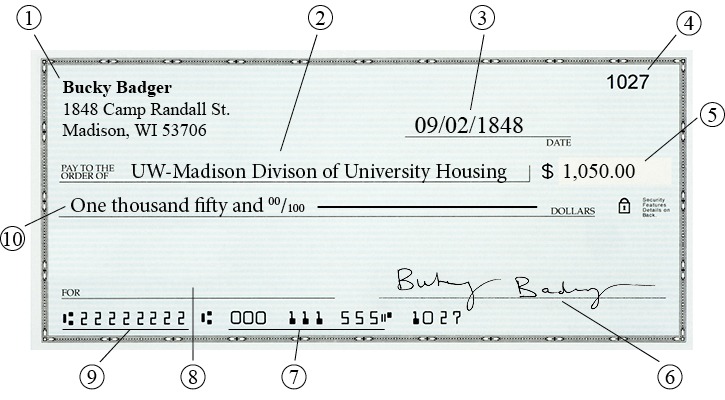
What is labeled number 5?
Account number
Routing number
Amount in words
Amount in numbers
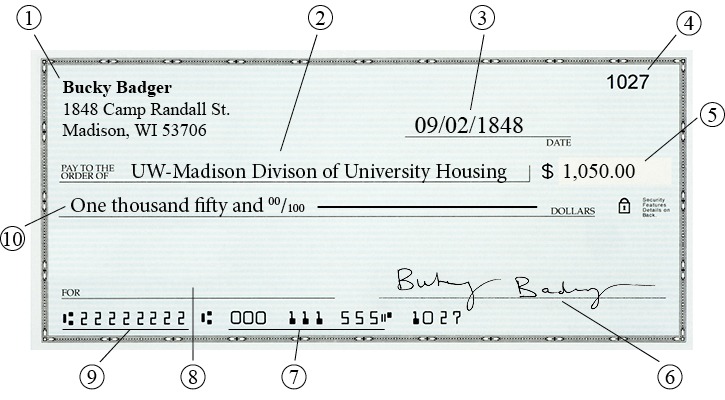
What is labeled number 6?
Payee
Payor
Signature
Bank
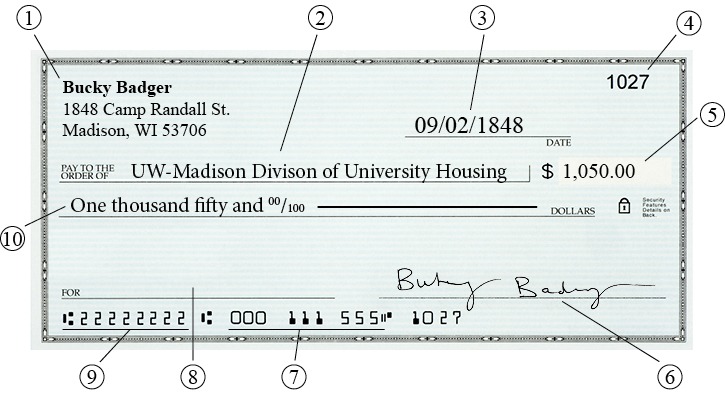
What is labeled number 10?
Payee
Payor
Memo
Amount in words
Who is the American Dream often associated with?
cowboys
rich farmers
immigrants
According to the idea of the American dream, how can one achieve prosperity?
through charisma
through hard work and courage
by committing crimes
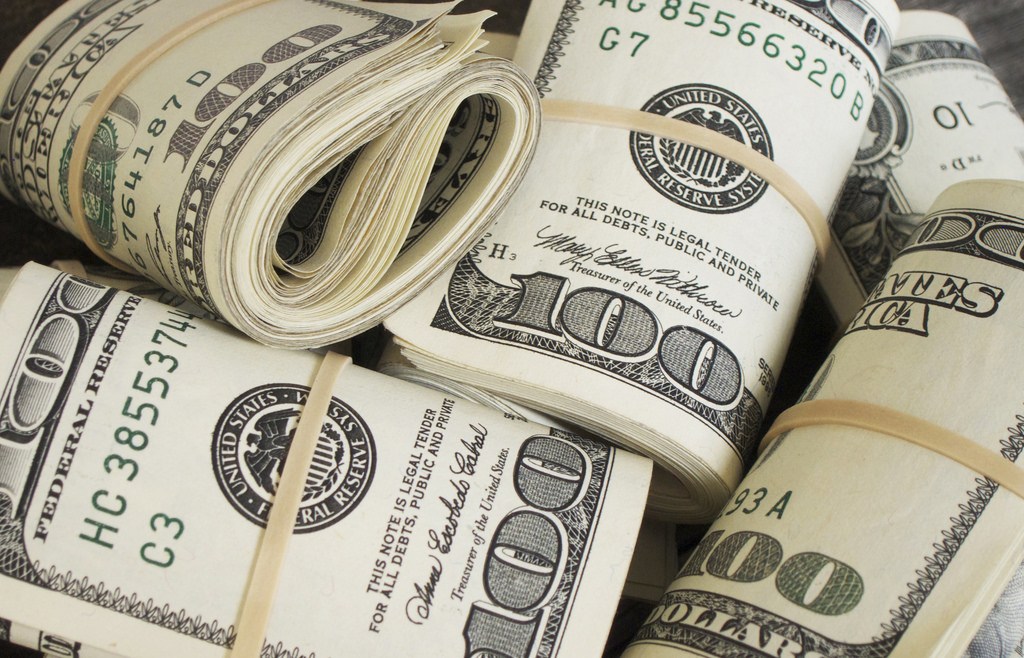
Our tax money is spent on all of the following EXCEPT:
Social Security
The Military
Private School Education
National Parks
The price of a dress is $85. The state collects $0.06 for every dollar of the price.
Income/Payroll Tax
Sales Tax
Property Tax
Initially, the United States was not a part of WW1, the United States chose to practice this?
Nationalism
Militarism
Imperialism
Isolationism
Which American president played an important role in the peace negotiations at the end of WWI?
Theodore Roosevelt
Archduke Ferdinand
Woodrow Wilson
Thomas Jefferson
Who was forced to assume total responsibility for World War I?
Germany
United States
Russia
Austria-Hungary

This was a German offer of an alliance with Mexico.
Sedition Act
Zimmerman Telegraph
Sussex Pledge
Fourteen Point

Germany sunk this passenger ship, beginning unrestricted submarine warfare.
Lusitania
USS Maine
Disney Cruise Ship
Titanic
Which organization was created after WWI to deal with world problems, and prevent future wars?
The European Union
The League of Isolationism
The League of Nations
The Justice League

Which of the following countries were part of the Central Powers during World War I? (3 correct)
Germany
Great Britain
Austria-Hungary
France
Ottoman Empire

Which of these countries were part of the Allied Powers in World War I? (3 correct)
Germany
Great Britain
Russia
Austria-Hungary
France
What is the term that means countries promise to come to each other’s defense if attacked?
Imperialism
Nationalism
Militarism
Alliance
True or False: The United States went to war with the Central Powers immediately after German U-boats sank the passenger liner Lusitania.
True
False
Which of the following was one of the long term effects of World War I?
State and local governments were forced to impose quarantines.
The deaths of millions of people and great financial disaster affected many parts of Europe.
America had borrowed a lot of money from France and Great Britain, and was now in debt.
Losing the war caused food riots and starvation in Russia


Which of the following best describes life for soldiers involved in trench warfare?
Life was uncomfortable, dirty, unsanitary, and unsafe.
Life was comfortable, clean, sanitary, and safe.
The main goal of Wilson's 14 Points was
to create a League of Nations and promote world peace
to create a League of Nations and punish Germany
to punish Germany and Mexico
to force the United States to join the League of Nations

What is number 1:
France
Great Britain
Italy
Ottoman Empire

What is number 2:
France
Great Britain
Italy
Ottoman Empire

What is number 3:
France
Great Britain
Italy
Ottoman Empire

What is number 4:
France
Great Britain
Italy
Germany

What is number 7:
Austria-Hungary
Serbia
Bosnia
Russia
What is number 5:
France
Great Britain
Italy
Germany
A crime punishable by imprisonment for more than a year in a state prison or federal prison or by a fine of more than $1,000, or both, or death is a(n)
Criminal Act
Felony
Misdemeanor
White Collar Crime
A crime punishable by imprisonment in a county or city jail for one year or less, a fine of $1,000 or less or both is called a(n)
Felony
Arbitrary Crime
Misdemeanor
Bribery

What Is a Civil Law ?
a system of law concerned with the punishment of those who commit crimes
the system of rules that a particular country or community recognizes as regulating the actions of its members and may enforce by the imposition of penalties.
the system of law concerned with private relations between members of a community rather than criminal, military, or religious affairs
the rules by which a court hears and determines what happens in civil, lawsuit, criminal or administrative proceedings.

What Is A Criminal Law?
a war between citizens of the same country
a system of law concerned with the punishment of those who commit crimes.
the law as established by the outcome of former cases.
a domesticated carnivorous mammal that typically has a long snout, an acute sense of smell,
A person charged with a criminal offence is called the...
Persecutor
Coroner
Defendant
Lawyer
A punishable offense against society is called a
Civil
Criminal
Crime
Common
If a civil case goes to court, what is the name for the person who sues someone else?
Prosecution
Plaintiff
Torter
Defendant
If a civil case goes to court, what is the name for the person who is being sued?
Prosecution
Plaintiff
Torter
Defendant
3 main types of civil law
contract law
defamation law
family law
tort law
what is family law
children must listen to there parents and if not they will be breaking family law
disputes about birth, marriages, divorce etc
The purpose of Juvenile detention is to _______________ instead of punish.
put children in prison
rehabilitate
not inform parents
make fun of children
A juvenile is _______________________.
a person under the age of 18
a person under the age of 16
a person in court
a person in jail
All are examples of a delinquent act EXCEPT
running away from home
shoplifting
selling drugs
assualt & battery
Who is in charge of the executive branch?
the President
the Chief Justice
the Majority Leader
the Speaker of the House
What is the highest court in the United States?
the District Court
the Superior Court
the Supreme Court
the Municipal Court
Who is the Commander in Chief of the military?
the President
the Secretary of Defense
the U.S. Attorney General
the Chairman of the Joint Chiefs of Staff
Which of the following is NOT included in the Miranda Warning?
You have the right to remain silent
Anything you say or do can be used against you in a court of law
If you cannot afford a lawyer, one will be appointed to you
You have the right to bail no matter the crime
What are the two parts of the U.S. Congress?
the President and the Cabinet
the Supreme Court and the Superior Court
the U.S. Treasury and the State Department
the Senate and the House of Representatives


After the judge first sees you he lets you know that you can be released until your trial as long as you put up money or property to assure your appearance in court, which can also be lost if you don’t appear at your court date. The judge says it will be $5,000.
What is he talking about?
Plea bargaining
Bail
Hearing
Time Log
You know you are guilty for the crime you are charged with and you don’t believe you stand a chance in the case. You want your defense attorney to negotiate with the prosecutor for a lesser punishment if you declare you are guilty. What are you doing?
Plea bargaining
Bail
Initial appearance
Grand Jury
Which amendment does not allow excessive bail?
7th
1st
8th
4th
Another term for the death penalty. Crimes that are punishable by death penalty are known as capital crimes or capital offenses.
capital punishment
departure
habitual offender laws
"real offense"

