
Font size
 Worksheets
Sedimentary Rocks (Detrital, Chemical, Organic)
Total questions: 47
Worksheet time: 35mins

Most of the Earth's crust is made up of igneous rock. But most rock at the surface of the crust is what kind of rock?
Igneous
Sedimentary
Metamorphic
All kinds of rock
Detrital rocks are...
formed from magma
deposited from a solution
formed from sand and shells
made up of broken fragments of other rocks
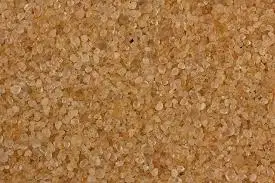
Which description best fits the texture you can see in this rock?
well sorted
poorly sorted
rounded clasts
angular clasts
What do angular particles of sediment indicate? Choose 2
It was carried a long distance
It was carried by wind or water
It was carried a short distance
It was carried by ice
What does a well sorted sand or sandstone indicate?
it was deposited by wind and traveled a short distance
it was deposited by ice and traveled a long distance
it was deposited by wind and traveled a long distance

Of the three kinds of sedimentary rocks, a rock that is made by precipitation of dissolved minerals from water is called
Detrital sedimentary rock
Organic sedimentary rock
Chemical sedimentary rock
Clay or Silt
What is the correct order in sizes from smallest to largest
Clay
Cobble
Sand
Silt
Chemical rocks are...
Made from heat
Made when water evaporates and minerals crystallize
Made from dead animals/plants
Made from pieces of other rocks

Detrital
Chemical
Organic
Which formation process do most sedimentary rocks follow?
cementation, compaction, deposition, erosion
erosion, compaction, cementation, deposition
erosion, deposition, compaction, cementation

Name this rock.
(a)


Name this rock
(a)
Which of the following is a kind of chemical sedimentary rock?
Obsidian
Limestone
Coal
Shale
Detrital rocks are
made up of broken fragments of other rocks
formed from magma
deposited from a solution
all of the above
Sandstone is a(n) ____ sedimentary rock.
chemical
detrital
organic
none of the above
What kind of detrital rock forms in lakes?
conglomerate
sandstone
shale
What rock is formed by particles that are rapidly deposited and not transported very far?
breccia
conglomerate
shale
sandstone
Which one of these rocks would indicated it was formed in fast moving, turbulent waters?
Conglomerate
Sandstone
Shale
Mudstone

Which type of sedimentary rock is shale?
Detrital
Chemical
Organic

Which type of sedimentary rock is limestone?
Detrital
Chemical
Organic

Which type of sedimentary rock is sandstone?
Detrital
Chemical
Organic

Which type of sedimentary rock is rock salt?
Detrital
Chemical
Organic

Which type of sedimentary rock is siltstone?
Detrital
Chemical
Organic
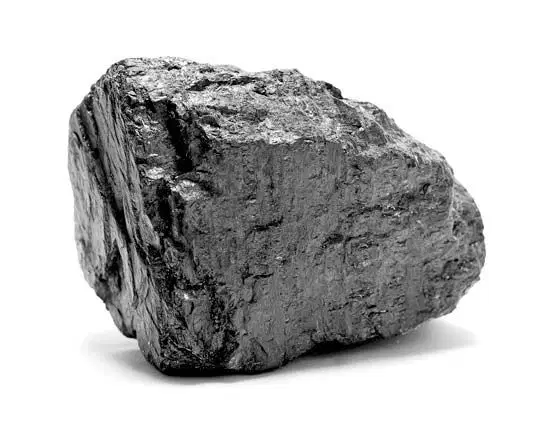
Which type of sedimentary rock is coal?
Detrital
Chemical
Organic

Which type of sedimentary rock is conglomerate?
Detrital
Chemical
Organic

Which type of sedimentary rock is coquina?
Detrital
Chemical
Organic

Which type of sedimentary rock is travertine?
Detrital
Chemical
Organic
Which of the following applies to the basic constituents of halite, gypsum, and sylvite?
transported as dissolved ions; deposited as detrital mud
transported as detrital mud; deposited by evaporation
transported as dissolved ions; deposited by evaporation
transported and deposited as mud-sized particles
________ is the most common type of chemical sedimentary rock.
Limestone
Chert
Sandstone
Shale
Which of the following is NOT a type of limestone?
Arkose
Coquina
Chalk
Traverntine
Which type of limestone consists mainly of tiny, marine fossils composed of calcite?
Dolostone
Chert
Coquina
Chalk
Which of the following is made of microcrystalline quartz?
Coquina
Dolostone
Chert
Gypsum
Which evaporite, composed of calcium sulfate, is an important component of plasters and wallboard?
Clay
Gypsum
Rock salt
Halite
Coal beds originate in ________.
shallow lakes in a dry, desert region
channels of fast-moving streams
deep, marine basins below wave action
freshwater coastal swamps and bogs
Reorder the following stages of coal from first to last
Peat
Lignite
Bituminous coal
Anthracite
The first stage in the formation of coal involves a substance composed of partially altered plant material called ________.
lignite
hummus
anthracite
peat
Before coal has formed over millions of years, it is a wet, sampling of decaying plant material called...
Peanut Butter
Peat
Mud
Sedimentary Rock
Which coal is the type we use mostly in the US?
Lignite
Sub-bituminous
Bituminous
Anthracite

