Wayground logo

Free Printable Worksheets

Font size

S
M
L
XL
Worksheets

F4 GS1 Revision

Total questions: 25

Worksheet time: 43mins
Name
Class
Date
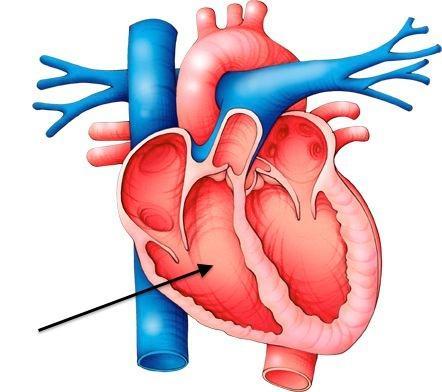
1.
Identify
a)
Left atrium
b)
Right atrium
c)
Left ventricle
d)
Right ventricle
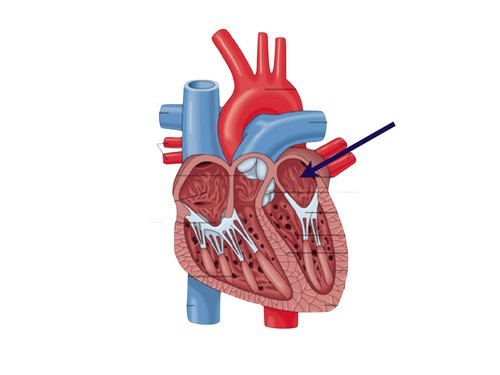
2.
Identify
a)
Left atrium
b)
Right atrium
c)
Left ventricle
d)
Right ventricle
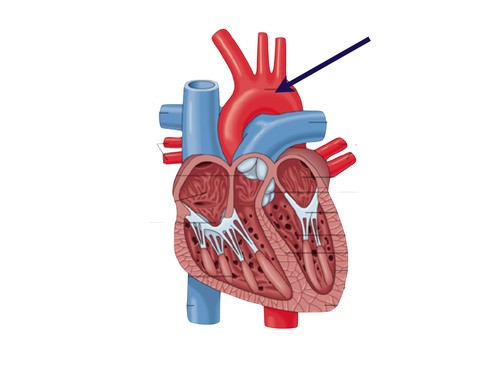
3.
Identify
a)
Pulmonary veins
b)
Pulmonary artery
c)
Aorta
d)
Vena cava
4.
Which blood vessels carry blood to the heart?
a)
capiliaries
b)
veins
c)
arteries
d)
arterioles
5.
Which blood vessels carry blood away from the heart?
a)
capillaries
b)
veins
c)
arteries
d)
venules
6.
What are the 4 components of blood?
a)
White blood cells, Platelets, bone marrow, and oxygen
b)
Plasma, Platelets, yellow blood cells, and nutrients
c)
Plasma, White blood cells, red blood cells, and Platelets
d)
Platelets, Red blood cells, antigens, and Rh factor
7.
What do capillaries, the smallest blood vessels, do?
a)
Whatever they want.
b)
exchange phone numbers with other cells so they can snap chat
c)
exchange nutrients and oxygen for waste 
d)
break down foods
8.
Where does blood go after the right atrium?
a)
left atrium
b)
left ventricle
c)
right ventricle
d)
aorta
9.
Where does the blood go after it goes into the pulmonary arteries?
a)
lungs
b)
heart
c)
head
d)
hands
10.
These have valves that prevent backflow of blood
a)
arteries
b)
veins
c)
arterioles
d)
capillaries
11.
Which type of blood vessel has the thickest layer of smooth muscle in its walls?
a)
Arteries
b)
Veins
c)
Capillaries
d)
Ventricles
12.
What part of blood is responsible for fighting infections?
a)
Red Blood Cells
b)
White Blood Cells
c)
Platelets
d)
Plasma
13.
What part of blood is responsible for carrying oxygen to body cells?
a)
Red Blood Cells
b)
White Blood Cells
c)
Platelets
d)
Plasma
14.

More water is lost from which part of the plant?

a)

upper surface of leaf

b)

flowers

c)

stem

d)

lower surface of leaf

15.

What is calculated using a potometer?

a)

rate of perspiration

b)

rate of respiration

c)

rate of transpiration

d)

rate of absorption

16.

Mineral ions move from the soil into the roots by the process of ?

a)

osmosis

b)

diffusion

c)

active transport

d)

none of the above

17.

rate of transpiration decreases when .....

a)

light intensity increases

b)

humidity increases

c)

wind speed increases

d)

temperature increases

18.
The plant tissue that carries food materials DOWNWARD from the leaves to the rest of the pant is the ______.
a)
Phloem
b)
Stomata
c)
Chlorophyll
d)
Xylem
19.
Vascular tissue that transports water and minerals UPWARDS from a plant's roots is know as ______.
a)
Chlorophyll
b)
Phloem
c)
Stomata
d)
Xylem
20.
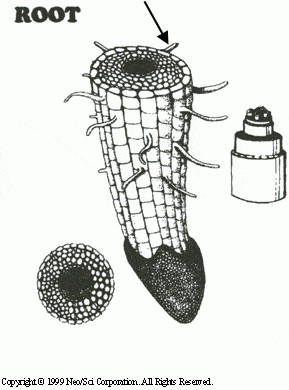
What is the name of the part of the root that allows water and minerals enter?
a)
root hairs
b)
epidermis
c)
phloem
d)
phyla
21.
This is the definition for which word:The movement of particles down a concentration gradient (from a high concentration to a low concentration)
a)
Osmosis
b)
Diffusion
c)
Active transport
d)
Transpiration
22.

Where does sugar transport begin?

a)

Roots

b)

Leaves

c)

Root hairs

d)

Vascular bundles

23.

A leafy shoot was placed in a beaker containing a blue dye and then examined 5 hours later.


Which statement explains the change in appearance?

a)

Blue dye stains cells in the leaves.

b)

Blue dye moves through the xylem.

c)

Blue dye moves up the stem by osmosis

d)

Blue dye diffuses through the cells of the plant.

24.

The diagram shows the internal structure of a leaf.


Which region contains cells that are responsible for the transport of manufactured food?

a)

A

b)

B

c)

C

d)

D

25.

What sort of circulatory system is the human circulatory system?

a)

An open circulatory system

b)

A single circulatory system

c)

A double circulatory system

d)

A colloidal osmotic circulation index