
NEW
Font size
 Worksheets
Organism Relationships in Ecology
Total questions: 20
Worksheet time: 1hrs 2mins

Cattle egrets forage (feed) in fields among cattle. The egret gets easy access to flying insects stirred up by the cattle, and the cattle don't care if the egrets are there or not.
mutualism
commensalism
competition
parasitism
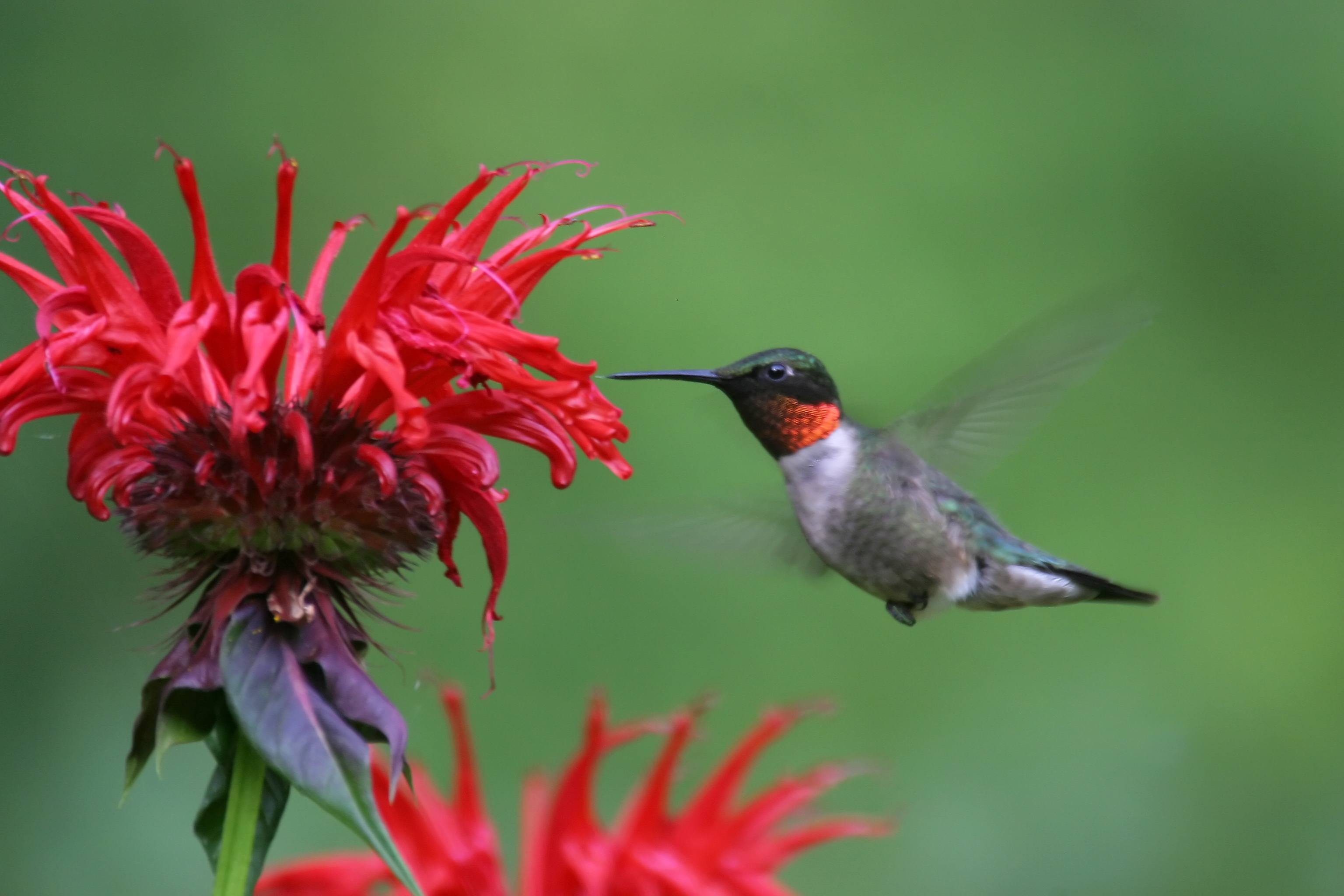
Hummingbirds feed on nectar from flowers. The flowers are pollinated by hummingbirds as they move from flower to flower.
commensalism
mutualism
parasitism
predation

Which best describe parasitism?
Both organisms benefit positively from the relationship
One organism benefits from the relationship the other is harmed
One organism benefits from the relationship the other is not affected
Both organisms benefit negatively from the relationship
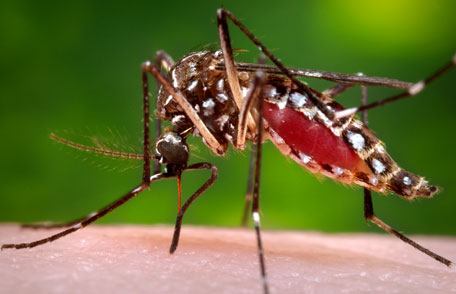
When a mosquito bites you, you are the __________ and the mosquito is the ____________.
host, hostess
parasite, host
host, parasite
prey, predator

Aphids are tiny insects that live on and eat the leaves of plants, removing vital nutrients from the plants.
Predation
Parasitism
Commensalism
Mutualism

Remoras eat food left over by the shark it swims along with. The shark makes no attempt to prey upon the remora and there is no benefit to the shark having the left over food removed.
mutualism
commensalism
parasitism
predation

This is an example of....
commensalism
predation
parasitism
mutualism
The organism that is harmed in a parasitic relationship?
parasite
host
consumer
producer
The type of symbiotic relationship that helps one organism, but does not harm or help the other?
parasitism
mutualism
commensalism

destroy most of the abiotic elements in the habitat
raise the competition level for resources
neither answer is correct
all answers are correct
All the members of one species living in the same area
Population
Organism
Species
Ecosystem
All the different populations that live together in a particular area
Organism
Ecosystem
Community
Biotic Factor
The community of organisms interact with each other and their environment
Species
Organism
Ecosystem
Community
The study of how organisms interact with each other and their environment
Species
Population
Community
Ecology

What happens if a population grows past its carrying capacity?
The population keeps growing
The population starts to die off
The entire species will go extinct
The carrying capacity just increases

Something that regulates the size of a population is called...
a limiting measure
a limiting factor
carrying capacity
biodiversity

