
 Worksheets
Cambridge Checkpoint 8: Units 8,9 Review
Total questions: 190
Worksheet time: 2hrs 5mins
Na2CO3
H2
Name the ionic compound, LiCl
lithium chlorine
lithium chloride
lithium chlorate
lithium monochloride
Name the ionic compound, CaCO3
calcium carbide
calcium carbon trioxide
calcium carbon oxide
calcium carbonate
Name the molecular compound CO
carbon monoxide
monocarbon monoxide
carbide
oxygen carbide
Name the following compound:
CO2
monocarbon dioxide
carbon oxide
carbon dioxide
oxygen carbonide
What is the correct formula of phosphorus trichloride?
P2Cl3
P3Cl3
PCl3
PCl5
What is the correct molecular formula for sodium nitrate?
NaNO2
Na3N
Na3NO
NaNO3
What is the name for AlBr3?
aluminum bromide
aluminum tribromide
aluminum bromine
monoaluminum tribromide
MgF2
Al2O3
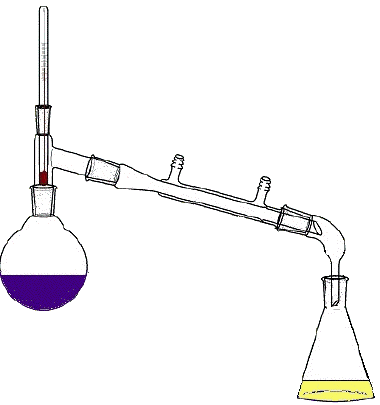

Name the method of separation
Fractional distillation
Chromatography
Condensation
Evaporation


This diagram represents...
An element
A molecule
A compound
A mixture of elements and compounds


Fractional distillation separates crude oil based on the different __________ of the molecules in the mixture
melting point
boiling point
freezing point
chemical reactivity
Which of the following pairs of substances may best be separated through through fractional distillation
sand and soil
water and soil
salt and sand
water and alcohol

Label part 1
Thermometer
Fractionating column
condenser

Label 5
Water in
water out
condenser
fractionating column

Label 3
Beaker
Conical Flask
Boiling tube
rounded bottom flask

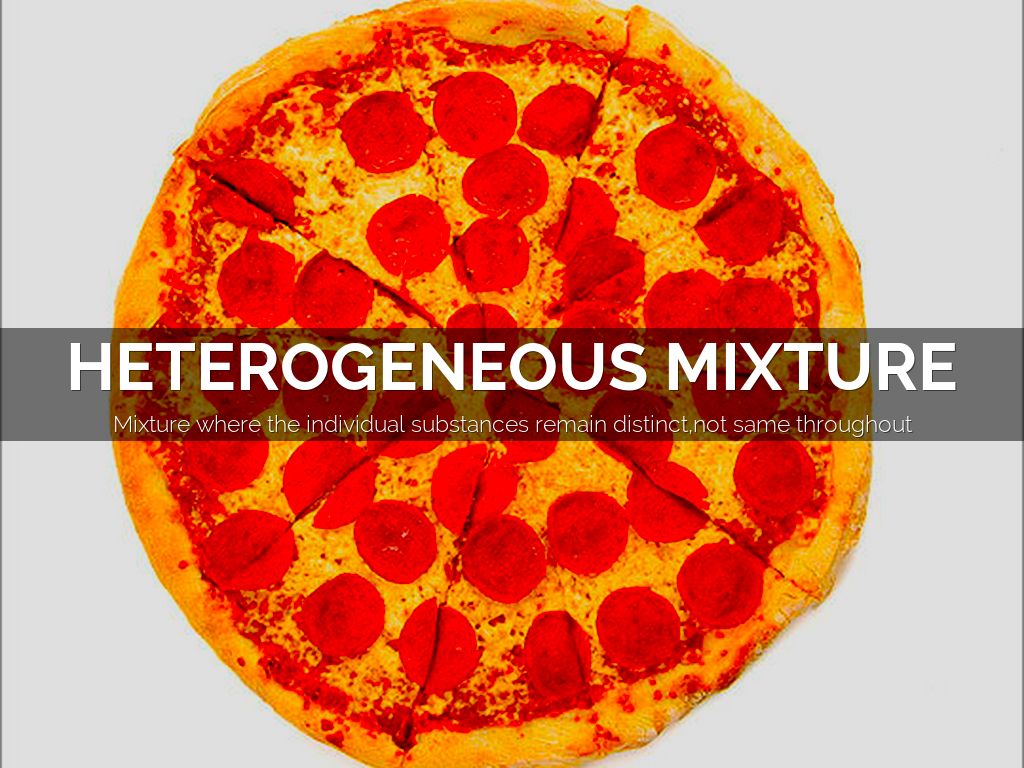


A student mixes 125 grams of sugar, 250 grams of water and 5 grams of flavoring. The solution weighs...
250 grams
380 grams
375 grams
400 grams
What do we call the chemicals that result from a chemical reaction?
reactants
products
subscripts
coefficients
According to the Law of Conservation of Mass, what happens to the wood and oxygen when it is burned?
The wood disappears.
It stays the same chemically.
The atoms in the wood and oxygen rearrange and form smoke and ash.
Nothing.
________ are the starting substances in a chemical equation.
Reactants
Producer
Reaction
Products
The law of conservation of mass states that ________
the total mass of reactants is more than the total mass of products
the mass of a chemical reaction is not constant
the mass of a chemical reaction remains constant
the total mass of reactants is less than the total mass of products
The Law of Conservation of Mass States
Energy cannot be created nor destroyed, it can only change form.
Mass cannot be created nor destroyed, it can only change form.
Mass can be created or destroyed, it cannot change form.
Fe(NO3)2
Fe(NO3)2
Fe(NO3)2
What is a solvent
A liquid that will dissolve a solid solute
Another word for solution
A thing that make drinks change colour
Usually the solid about to be dissolved
The ___ is the thing being dissolved.
solute
solvent
mixture
solution
The substance being dissolved in a solution is the?
solution
solute
solvent
mixture
If I dissolve carbon dioxide in water, what is the solvent?
Carbon Dioxide
There is no solvent
Oxygen
Water
If I dissolve salt in water, what is the solvent?
salt
water
salt & water
none of the above
If I dissolve salt in water, what is the solute?
water
salty water
none of the above
salt
Define the term soluble.
Can dissolve in water
Cannot dissolve in water
Partially dissolves in water
Define the term insoluble.
Can dissolve in water.
Cannot dissolve in water.
Partially dissolves in water.
What is physical change?
How two chemicals react with one another when combined
A property that we can measure or observe with our 5 senses or other tools
When two chemicals react with one another to form a new substance
When a change occurs but it does not result in the formation of a new substance
What is chemical change?
How two chemicals react with one another when combined
A property that we can measure or observe with our 5 senses or other tools
When two chemicals react with one another to form a new substance
When a change occurs but it does not result in the formation of a new substance
When you increase the energy by heating a liquid what happens to the motion of the molecules
They slow down
They speed up
Heat doesnt change the motion of the molecules
Which of the following is an indication of chemical change
Melting
Freezing
Burning
Evaporating
What do we call the molecules that are present at the end of a chemical reaction?
Reactants
Products
Ingredients
Atoms
Thermal energy (heat) is released or absorbed during the reaction explains the _________________
Change in color
Change in temperature
Change in gas
What element rusts?
carbon
manganese
iron
potassium
What environmental element assists rusting?
nitrogen
oxygen
carbon
hydrogen

A rusting bicycle
physical change
chemical change

What conditions are required for rusting?
dry cold conditions
dry hot conditions
hot damp conditions

Rusting is an example of
oxidation
reduction
What two things cause Iron to Rust ?
Air and Oxygen
Water and Carbon dioxide
Oxygen and Water
Carbon dioxide and Air
What is the chemical name given to Rust ?
Iron dioxide
Iron oxide
Steel oxide
Carbon dioxide
What prevents Rusting
Painting , Oiling , Galvinising
Washing with water
Raising the temperature of a chemical reaction would make the reaction __________________.
happen slower
stop completely
happen faster
proceed as normal

In which tube will the nail go rusty?
The nail in tube A will go rusty.
The nail in tube B will go rusty.
The nail in tube C will go rusty.
You know that a chemical reaction has occurred if
there is a precipitate (new solid)
there is a color change.
there is a temperature change.
All of these answers are evidence.
heat or light is produced
A chemical change is different than a physical change because in a chemical change
chemicals are used
molecules do not physically touch
a new substance is formed and in a physical no new substance is formed
the change can be seen but in a physical change it cannot
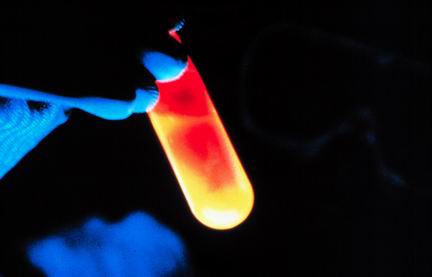
Complete the word equations.
copper oxide + sulfuric acid →
(black)
copper sulfate + water
(precipitate)
copper sulfate + water
(blue)
copper sulfate + water
(white)
copper sulfate + water
(green)
Complete the word equations.
magnesium + hydrochloric acid →
magnesium chloride + hydrogen
magnesium chloride
magnesium chloride + water
magnesium chloride + carbon dioxide
When potassium is placed in water, hydrogen has given off. The reaction produced
an alkali
a precipitate
so much heat
a blue solution
Which of the following is an example of a chemical change?
water freezes to form ice
sugar dissolves in water
gasoline burns in a car engine
a piece of metal expands when it is heated
Marble Chips in Hydrochloric Acid makes a gas that turns lime water cloudy. What is the name of the gas?
Hydrogen
Oxygen
Carbon Dioxide
HCl + Zn --> ZnCl2 + H2
If potassium reacts with water what are the 2 products of the reaction?
potassium hydroxide + oxygen
potassium hydroxide + hydrogen
potassium + hydrogen oxide
Potassium hydroxide + hydrogen oxide
Copper metals react with water and forms ____ and ____
oxide and hydrogen gas
Hydroxide and hydrogen gas
carbonates and hydrogen gas
No reaction
A student added dilute hydrochloric acid to four metals and recorded his results. Which is correct
No reaction with zinc
Gas given off with copper
Gas given off with magnesium
No reaction with iron
Which statement is correct about all metals?
They are attracted to a magnet.
They are good conductors of heat and electricity.
They react with acid.
They react with water.
Which statement is correct about all metals?
They are attracted to a magnet.
They are weak and brittle.
They may be used to form alloys.
They react with water.
The following statements are about alloys.
• Alloys are …X…. .
mixtures
compounds
Which of the following metals do not react with acid?
copper
silver
gold
magnesium

A
B
C
D
Metals and acids react to form .....
Salt and hydrogen
Salt and water
Carbon dioxide, salt and water
Hydrogen only
Magnesium + hydrochloric acid-->
Magnesium chloride + water
Magnesium chloride + hydrogen
Magnesium hydrochloride + hydrogen
Magnesium chloride + water + carbon dioxide
Zinc + sulfuric acid -->
Zinc sulfide + hydrogen
Zinc sulfate + hydrogen
Zinc sulfate + Water +Carbon dioxide
Zinc sulfide + water
Iron + hydrochloric acid -->
Iron chloride + hydrogen
Iron chloride + carbondioxide
Iron hydroxide + acid
Iron chloric + hydrogen
What are the reactants for the reaction of magnesium with oxygen
Magnesium + oxygen --> Magnesium oxide
Magnesium
Oxygen
Magnesium oxide
Magnesium and oxygen
How do we test for hydrogen?
Squeaky pop test
Hydrogen extinguishes a lit splint
Bubbling through lime water
Hydrogen makes a glowing splint relight
Metal carbonates react with acid to form....
Salt, carboxylic acid and water
Salt, carbon dioxide and water
Salt and carbonated water
Salt and hydrogen
Calcium carbonate + hydrochloric acid -->
Calcium chloride + hydrogen
Calcium choride + water
Calcium chloride + carbon dioxide + water
Calcium sulfate + carbon dioxide + water
Copper carbonate + hydrochloric acid -->
Copper chloride + hydrogen
Copper chloride + water
Copper chloride + water + hydrogen
Copper chloride + water + carbondioxide
According to pH scale, indicator will turn red if a solution is...
Acidic
Alkali
Neutral
Precipitate
The two tests for carbon dioxide are ...
It will extinguish a lit splint
It will cause a squeaky pop
It will explode
When bubbled through lime water it turns the water cloudy
Which salt will e produced if copper carbonate react with hydrochloric acid....
Copper carbonate
Copper chloride
Water
Carbon dioxide
What gas is always produced when a metal reacts with acid?
Oxygen
Hydrogen
Carbon dioxide
Nitrogen
What gas is always produced when carbonates reacts with acids?
Oxygen
Hydrogen
Carbon dioxide
Nitrogen

