
 Worksheets
Preparing & Cooking Meat (Kinds of Meat/Cuts of Meat)
Total questions: 40
Worksheet time: 30mins
Scraping the surrounding meat around the bone until the bone is completely removed.
trimming
boning
cutting
Removing the extra fat, bones, and connective tissues that gives a wholesale and retail cuts neat and clean finish.
trimming
larding
cutting
Assures that every customer gets the same amount of serving for the same price paid for.
cutting
weighing
portioning
weighing and portioning
Adding fat to a very lean and/or tough pieces of meat.
stuffing
tying
larding
Softening a cut of meat by breaking down its interior fibers to make it easier to eat and digest.
marinating
tendering
grinding
The food is first browned at a high temperature, then simmered in a covered pot in cooking liquid.
braising
stewing
broiling
The hottest stage in cooking using moist-heat method.
boiling
simmering
steaming
A form of dry-heat cooking that uses a very hot pan and a small amount of fat to cook the food very quickly.
sauteing
baking
deep frying
This relies on heat conducted through the air from an open flame.
broiling and grilling
sauteing and pan frying
baking and roating
Cooking in liquid below boiling point (82-99°C or 180- 211°F).
stewing
simmering
boiling
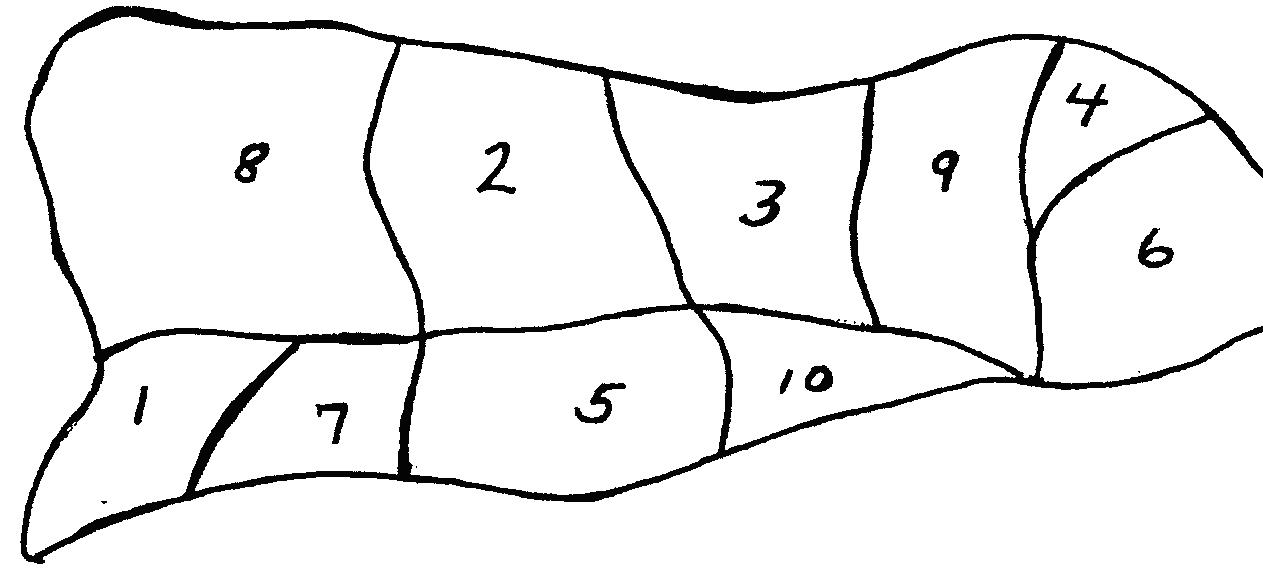
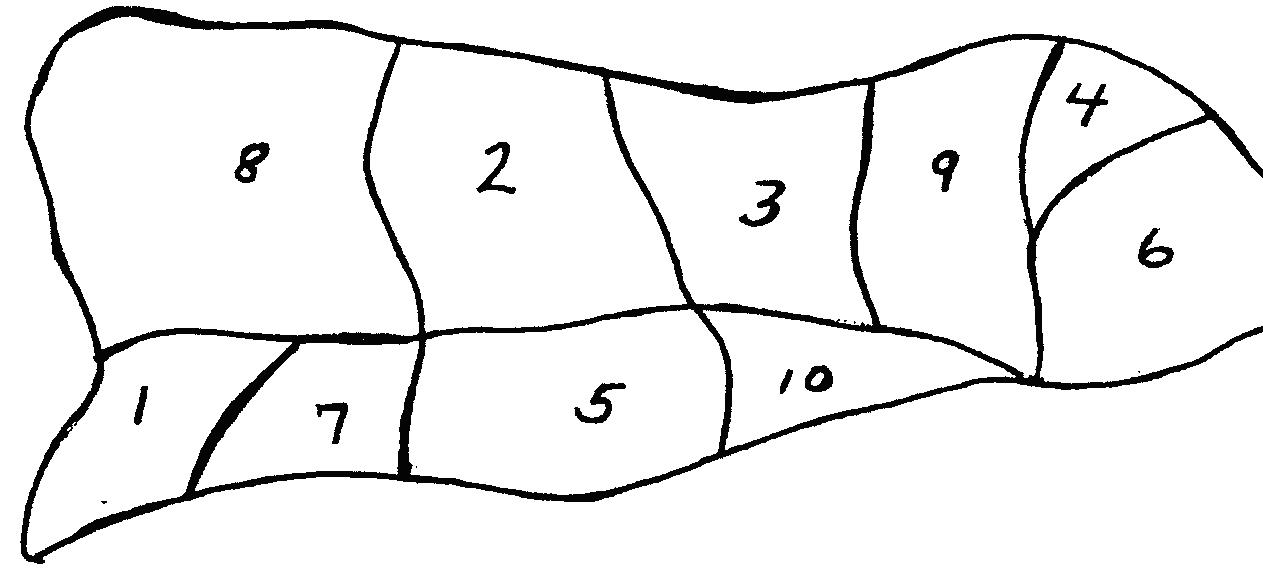
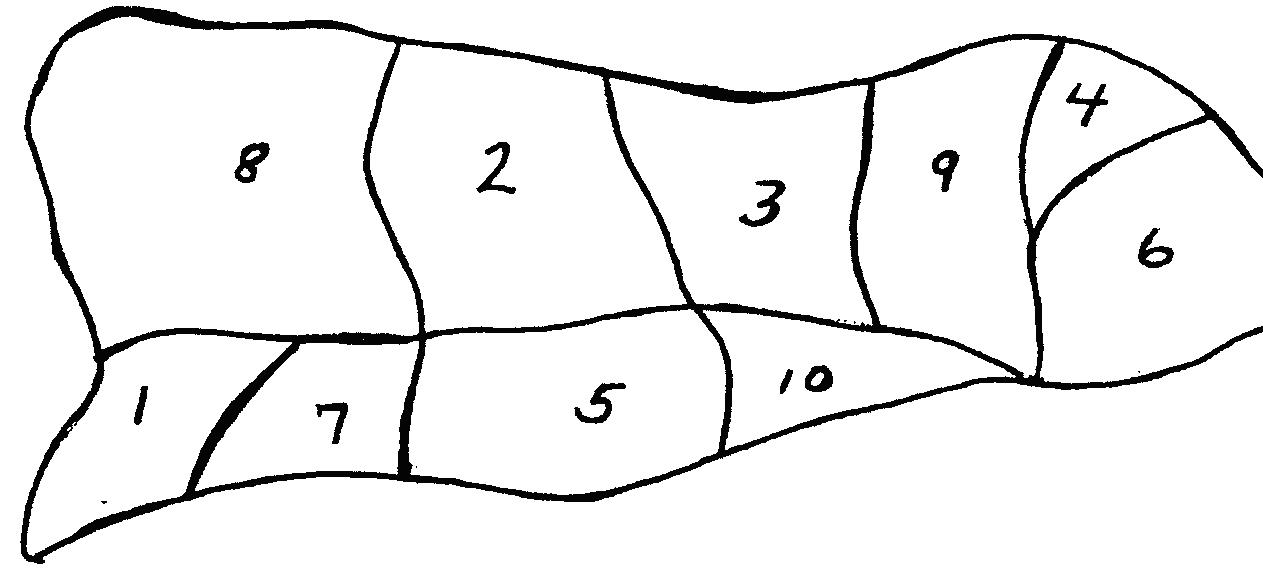
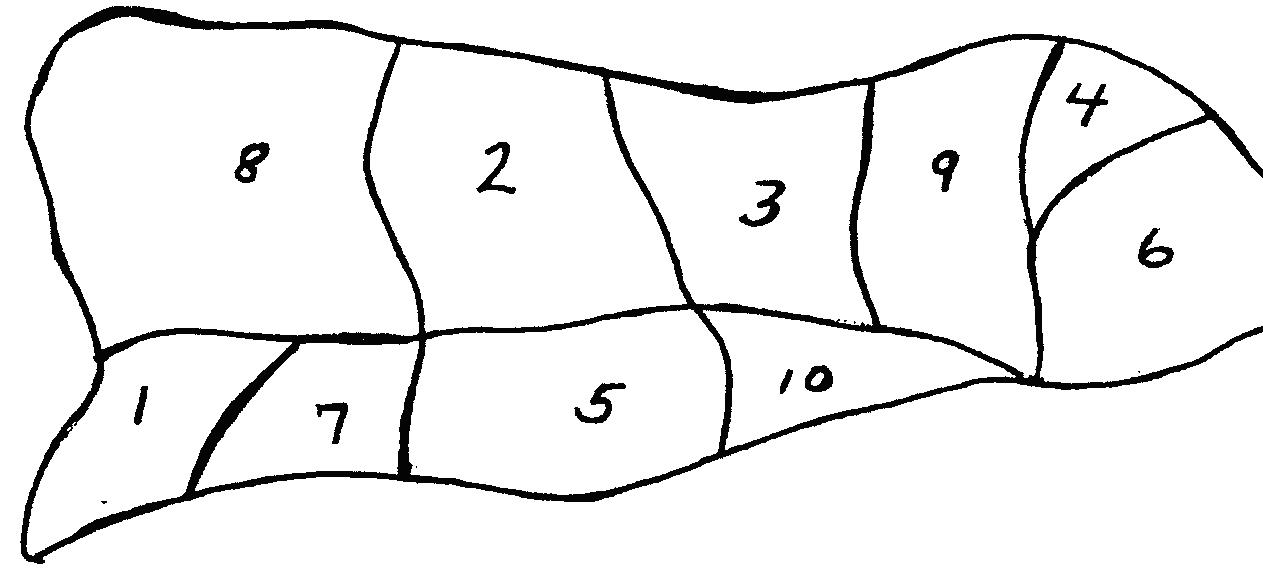
Meat and poultry provide....
Fat
Protein
Water
Love
When buying meat you should look at all except
Value for buy
Appearance
Intended use
Smell of meat
What can happen if you use the same cutting board for raw meat and ready to cook food
Nothing would happen
Cross contamination
Your cooked meat taste better

Meat is mainly the ___________ of animals
organs
glands
muscles
all of the above
Veal comes from ______ between the ages of _____ to ____.
beef cattle , 3 weeks, 4 months
young calves. 3 weeks, 5 months
young calves, 3 weeks, 3 months
none of the above
Lamb comes from (a) .
Most of the protein is found in which part of the meat ?
(a)
________ is the most abundant protein in the connective tissue
Collagen
Elastin
Gelatin
Myosin
2. Meat from cattle more than 1 year old
beef
lamb
3. Meat from a mature domestic sheep
mutton
veal
4. Meat from a young sheep
lamb
veal
7. The beef quality grading based on ________
degree of marbling
palatability of meat
These are network of proteins that bind the muscle fibers together.
fiber
connective tissue
flesh
it is white connective tissue that dissolves or breaks down by long, slow cooking liquid.
Elastin
Fiber
Collagen
________ is composed of long, thin muscle fibers bound together in bundles.
Poultry
Turkey meat
Lean meat
It is the cutting of meat by determining the direction of the grain (the muscle fibers) and cut across the grain.
Slicing
Dicing
Mincing
This preparation is when you cut meat into cubes for various types of casseroles, stems, curries, and dishes such as steak, kidney pie and pudding.
Mincing
Dicing
slicing
What is the first basic preparation of meat?
Drying
Coating
Washing
Identify the methods of cooking:
Steaming
Moist heat cooking
Dry heat cooking
Identify the methods of cooking:
Sautéing
Moist heat cooking
Dry heat cooking
Identify the methods of cooking:
Roasting
Moist heat cooking
Dry heat cooking
Identify the methods of cooking:
Simmering
Moist heat cooking
Dry heat cooking
Identify the methods of cooking:
Stewing
Moist heat cooking
Dry heat cooking
Identify the methods of cooking:
Braising
Moist heat cooking
Dry heat cooking
Identify the methods of cooking:
Deep frying
Moist heat cooking
Dry heat cooking
Identify the methods of cooking
Pan-frying
Moist heat cooking
Dry heat cooking

