
 Worksheets
KS3: Nutrition Across the Life Stages
Total questions: 26
Worksheet time: 16mins

There are 5 life stages. Tick the ones that are correct. (Not all are included)
Young children 1-3
Young children 0-5
Older children 5-12
Older children 3-9
Adolescence 11-18

Children expend the most amount of energy out of all the different life stages.
True
False

What is an ADULTS Recommended Daily Intake of protein (in grams) that should be consumed each day?
10-20g
20-30g
40-50g
50-60g

As we grow older we need less energy because our metabolism slows down, we are less active and may have mobility issues. All this means we need to eat less.... (Tick 2)
Fat
Calories
Minerals
Vitamins

Children do not need to eat which type of food:
Sugar
Meat
Dairy Products
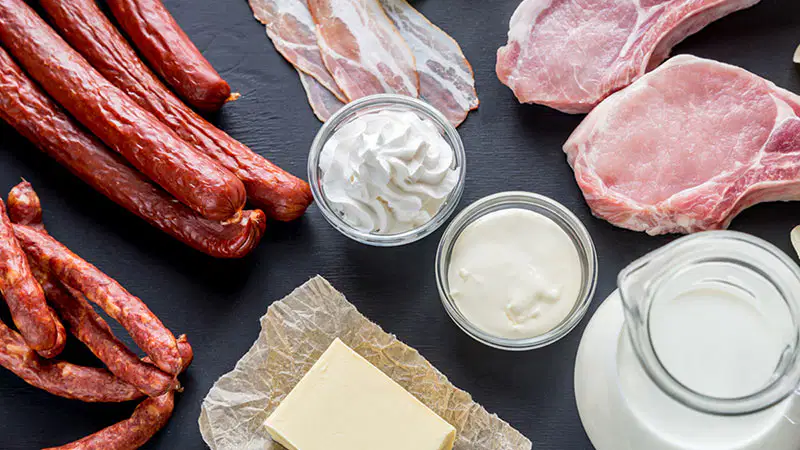
All life stages should only consume (a) in (b) quantities, as eating too much could lead to (c) , (d) and (e) .

At which life stage is the mineral CALCIUM especially needed for the growth and development of teeth and bones ?
Childhood
Adulthood
Pregnancy

Which vitamins support an older adult's immune system?
B, 6 & N
X, Y & Z
C, A & D

What health problem can be caused from eating a diet high in salt?
Obesity
Raised blood pressure
Diabetes

To help the healthy growth and development of a baby, a pregnant mother should take a supplement of folic acid every day in the first 3 months of pregnancy.
True
False
Maria chooses low-sodium foods for her diet because she has
hypertension (high blood pressure). This is most likely an example of which food choice factor?
Lifestyle
Nutrition
Religious
Medical
C. Complex Carbohydrates
The mineral (a) plays a significant role in the development and growth of healthy teeth and bones.
As we age, our (a) decreases and our (b) slows down. Therefore it is important to (c) (d) and cut down on excess (e) to avoid the risk of coronary heart disease.

How come having excess cholesterol in our arteries is NOT good for our health?
having excess cholesterol makes us weigh more
It is desirable to have excess cholesterol in your arteries
Can block blood flow and lead to heart disease, stroke and blood clots

What are the diet-related diseases caused from consuming too much fat?
Diabetes
Heart disease
Increased blood pressure
All of the above
Unsaturated fats are good for us in certain amounts. Where is this type of fat from?
Animal sources
Man-made sources
Plant sources
All of the above
Consider the following statments and choose the correct option:
1. Rickets is caused due to deficiency of vitamin D.
2. Kwashiorkor is caused due to lack of sodium.
Statement 1 is false
Statement 2 is false
Both the statements are correct
Both the statements are incorrect
Select the carbohydrates that will keep you feeling full for longer.
*There are 3 correct answers!
Crisps
Vegetables
Coco Pops
Oatmeal
Potato

How does the body use carbohydrates?
The body breaks it down and converts it into glucose which your body uses as energy
The body coverts it to protein to use when needed
The body breaks it down and uses it to build and repair body tissue
The body uses it to help transport vitamins and minerals throughout the body
None of the above are true about how the body uses carbohydrates

If a person does not consume enough protein and they become deficient, what could be the consequences?
lack of muscle mass
reduced immunity
kwashiorkor
All the above

________________ contain saturated fat and higher levels of cholesterol
Plant Based
Animal Products

When planning meals for toddlers and young children it is important to consider the following points
Base meals on fatty foods
Base meals on complex carbohydrates
Reduce sugar content
Make meal times fun

