
 Worksheets
Unit 7 Ecosystem Test Review
Total questions: 24
Worksheet time: 18mins

All of the different biotic populations that live in a specific area.


If the amount of food or resources available increases, the carrying capacity for an animal.....
Stays the same
Increases
Decreases
Fluctuates

Animals that eat other animals are called ____________.
Prey
Predators
Bears have a thick coat of fun, this adaptation is best in an environment that is
dry
windy
cold
What adaptation does a frog use to capture insects
sticky tongue
smooth skin
croaking sound
A squirrels niche would be _________________.
hunting prey and providing meat for other squirrels.
searching for fish to eat in the ocean.
staying busy storing nuts and seeds for winter.
help decompose other animals and plants.
What is a limiting factor?
Factors that always increase a population
Factors that always decrease a population
Resources that are unlimited
Factors/resources that limit how many organisms can live in an area at the same time
If there was a wildfire in the forest that destroyed the plant life, what would happen to the herbivore population?
Herbivores would decrease due to a lack of food
Herbivores would increase due to an increase of food
Herbivores would not be affected
Herbivores would decrease due to an increase in predators
Water, Sunlight, Oxygen and Soil are all parts of an organisms ______________ environment.
biotic
abiotic
living
Choose the correct levels of Organization from lowest to highest...
population, community, ecosystem, organism
organism, population, community, ecosystem
organism, population, ecosystem, community
This is an example of population, branch of the ecological levels of organization:
A pack of wolves
A dog
A turtle interacting with a lizzard
A squirrel on a tree
Drought, erosion, flood, and prolonged heat spells are examples of —
communities
biotic factors within an ecosystem which affect abiotic components
populations
abiotic changes within an ecosystem which can affect biotic factors
How does a crocodile benefit from a bird eating from its mouth?
It gets its teeth clean
It gets to eat the bird
It gets a defense against flies

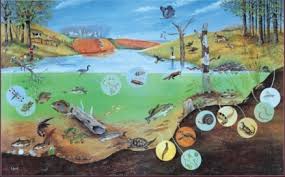
The specific environment in which all the biotic and abiotic factors in an area interact.
Ecosystem
Organism
Struggle
Competitive Interaction
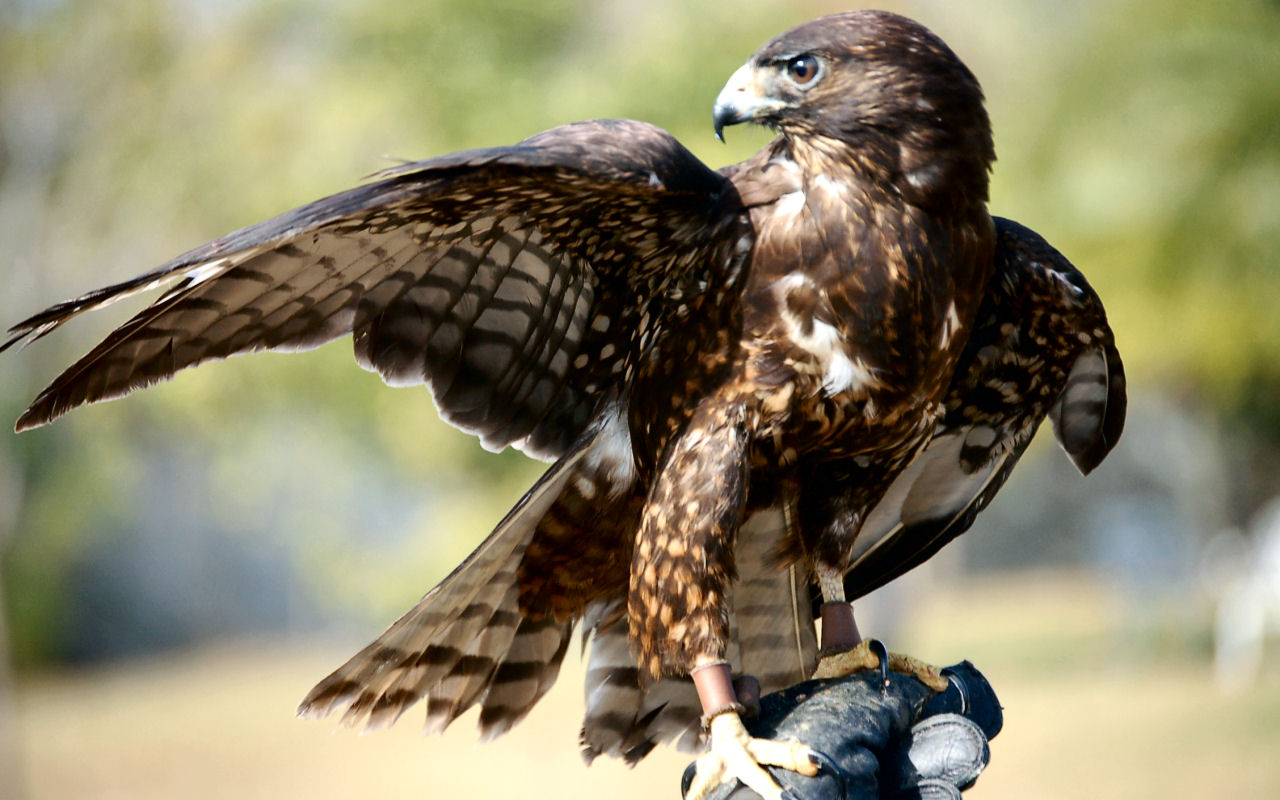
Hawks and brown bears live together in the same habitat. There will be competition between the hawks and the brown bears only if which of the following is true?
Brown bears hibernate during the winter while hawks remain active.
Pesticides in the fish population affect hawks’ eggs and decrease their population.
Both brown bears and hawks feed on the same species of fish.
Both Shanna and Savanna feed on the same species of snakes.

