wayground logo

Free Printable Worksheets

NEW

Font size

S
M
L
XL
Worksheets

Ancient Greece

Total questions: 27

Worksheet time: 15mins

Name
Class
Date
1.
Which of the following is a  government where a few wealthy people rule?
a)
Monarchy
b)
Oligarchy
c)
Democracy 
d)
Communism
2.
What is a person who seizes power in an illegal way called?
a)
King
b)
Savage
c)
Tyrant
d)
Aristocrat
3.
What was the raised, fortified area that was the highest place in the city called?
a)
Agora
b)
Acropolis
c)
Oligarchy
d)
Parthenon
4.
What was the large open area where city life was centered around called?
a)
Agora
b)
Acropolis
c)
Democracy
d)
Mall
5.
Which of the following describes Spartan women?
a)
They were treated harshly, almost like slaves.
b)
They mostly fought as soldiers alongside men.
c)
They were trained to build up their bodies and were allowed to own land.
d)
All of the above. 
6.
Which of the following describes the helots of Sparta?
a)
They fought most of the wars.
b)
They performed farm work, gave half of their crops to Spartan citizens,  and outnumbered Spartan citizens.
c)
They led a movement to change the government.
d)
They were in charge of boys’ military training.
7.
Which of the following statements best describes the citizens of Athens?
a)
They spoke different languages
b)
They valued their freedoms and took an active role in government
c)
They overthrew their government by force.
d)
They develop the art of war.
8.

How is the location of Greece on the Mediterranean Sea beneficial for trade and expansion?

a)

Greece is located in Africa.

b)

Greece's water travel allowed traders to reach many areas.

c)

Greece's islands make it difficult to travel.

9.

Which statement correctly describes a boys life in Athens and Sparta.

a)

Athenians went to school; Spartans served in the military

b)

Athenians studies combat; Spartans played sports

c)

Athenian boys lived in barracks; Spartans lived at home

d)

Athenian boys became citizens at 30; Spartans never became citizens.

10.

Greek civilization began in an area dominated by...

a)

mountains and lakes

b)

seas and mountains

c)

rivers and plains

d)

deserts and forests

11.

Greek civilization began in a river valley.

a)

True

b)

False

12.

Communities in ancient Greece were separated by

a)

rivers and deserts

b)

rugged mountains and valleys

c)

rivers and forests

d)

deserts and mountains

13.

The Greeks developed the modern concept of citizenship.

a)

True

b)

False

14.

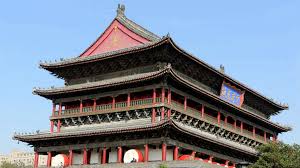
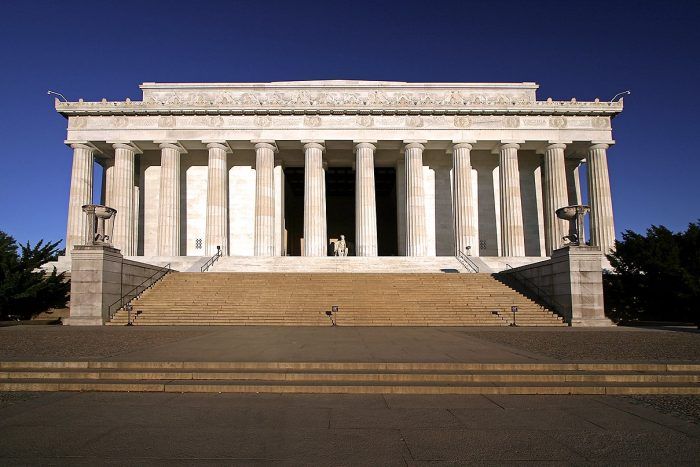
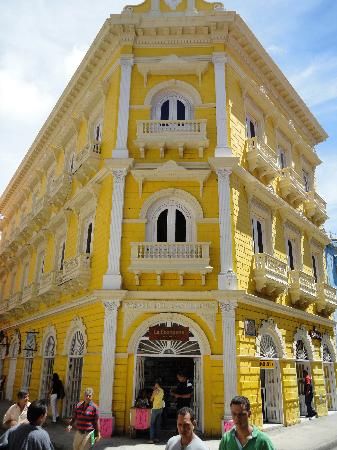
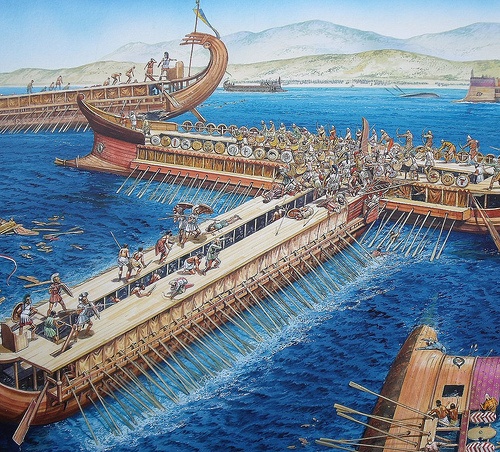
Which would be an example of Greek architecture?
a)
b)
c)
d)
15.
 What kind of column is usually decorated with leaves and flowers 
a)
Corinthian columns
b)
ionic columns 
c)
Doric columns 
d)
corination columns 
16.

What was the main decorative feature of the Ionic order of columns?

a)

scrolls and acanthus leaves

b)

scrolls on each side of the capital

c)

feathers

17.

This Greek structure shows how they used columns in their architecture

a)

The Theater

b)

The Colloseum

c)

The Parthenon

d)

Aqueducts

18.

This type of government, in which individuals vote to make their own laws,  was practiced in ancient Greece. 

a)

Direct Democracy

b)

Government

c)

Representative Democracy

d)

Kings and Queens

19.

This popular sporting event that still takes place today, originated in Greece. 

a)

The Olympic Games

b)

Diving

c)

Football

d)

Ice hockey

20.

The Parthenon (Athens)

a)

Doric

b)

Ionic

c)

Corinthian

21.
Which popular sporting activity resulted from the first battle of the Persian Wars?
a)
The Marathon
b)
The Triathlon
c)
The Olympics
d)
The Pentathlon
22.

The following information describes which of the Persian Wars: Greeks led Persians into a narrow strait of water and then easily sank many Persian ships (because of their large size) causing the Persians to retreat.

a)

Thermopylae

b)

Salamis

c)

Plataea

d)

Marathon

23.
Which of the following statements is true concerning the Persian Wars?
a)
The Persians defeated the Greek city-states
b)
Athens started its decline after the end of the war
c)
Sparta and Athens were united against the Persians
d)
Persian ideas were adopted by the Athenians
24.
The Persian navy was destroyed at this battle.
a)
Plataea
b)
Salamis
c)
Thermopylae
d)
Marathon
25.
The Spartan king who led the Greek army at Thermopylae was
a)
Lycurgus
b)
Themistocles
c)
Leonidas
d)
Pheidippides
26.

He was invaded Greece as revenge for his father's defeat at Marathon and to build a base for expansion into Europe.

a)

Xerxes

b)

Cyrus II (the Great)

c)

Darius I

27.

What was the PRIMARY cause of the Persian Wars?

a)

The Greeks wanted to establish more colonies in Asia Minor.

b)

They fought over control of the trade routes of the Aegean region.

c)

The Greeks refused to allow the Persians to participate in the Olympic games.

d)

The Persians wanted to punish the Greek city-states for supporting Ionia's revolt against the Persians.