
 Worksheets
The Roaring 20s
Total questions: 54
Worksheet time: 32mins
Why was the 1920s known as the "Roaring 20s?"
huge increase in immigration which led to fighting
economic depression
people were free to drink and party at their leisure
it was a time of cultural and social changes
When African Americans began to move from the rural South to the urban North, this was called what?
The Great Awakening
The Great Migration
The Great Immigration
The Trail of Tears
What positive effect did the migration north have on African Americans? (5-4.1)
Segregation
Jim Crow Laws
New job opportunities
New sharecropping opportunities
Why were the 1920's called the Roaring Twenties?
Many animals began to roar.
Time of excitement and prosperity.
War was about to erupt.
There was a depression.

Which of the following statements is supported by the political cartoon above?
Decrease of immigrants due to the passage of immigration quotas
Increase of tax rates for immigrants
Increase in the difficulty of the United States naturalization exam
Decrease of jobs available for immigrants


Period of economic prosperity after WWI?
The Roaring 20s
The Wild Years
The Roaring 30s
The Wild 40s

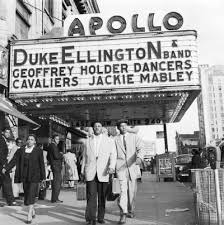
The Harlem Renaissance can best be described as
an organization created to help promote African-American businesses
a period of great achievement by African American writers, artists, and performers
a movement that sought to draw people back to the inner cities
a relief program to provide jobs for minority workers
Why did the economy experience a "boom" after WWI?
African Americans were moving back to the farms to grow cotton and soybeans
Consumers were preparing for a war and needed to bring extra supplies
New technologies and consumer goods were being developed and people wanted to buy them
Foreign trade grew after WWI
What technology became an "affordable luxury" in the 1920's and allowed people to travel more freely?
Telephones
Toasters
Railroads
Automobilies
Which one of these events happened during the 1920's?
The Spanish-American War
The bombing of the USS Maine
Prohibition made playing cards in public illegal
Women won the right to vote
In the United States, the decade of the 1920’s was characterized by
a willingness to encourage immigration to the United States
the active involvement of the US in European affairs
major reforms in national labor legislation
increased consumer borrowing and spending
The "New Woman" of the 1920s
Embraced traditional Victorian morality
Rejected traditional codes of morality
Rejected the notion of suffrage
Began to prefer more modest fashions
The 1st Red Scare, the trial of Sacco and Vanzetti and the rise of nativism were all signs of
the benefits of new technologies
the start of the Great Depression
a rising fear of foreigners
the return of normalcy
What was the major goal of U.S. immigration laws in the 1920s?
restrict immigration from Southern and Eastern Europe
increase immigration from Southeast Asia
establish equal numbers of immigrants from all nations
attract wealthy and well-educated immigrants from Latin Am.
Which were the major causes of the Red Scare and the Palmer Raids, which followed World War I?
Success of the Communist Party in US Presidential elections
Race riots in Los Angeles and revival of the Ku Klux Klan
Failure of the US to join the League of Nations
Bolshevik Revolution of 1917 and the workers’ strikes in US
Business people were able to use the "Red Scare" to
fight against the passage of price regulation laws
discredit the labor union movement
lobby the government for more inclusive immigration laws
hire more Russian factory workers
The 1928 Kellogg-Briand Pact
formally ended World War I for the United States
set a schedule for German payment of war reparations
established a battleship ratio for the major naval powers
outlawed war as a solution to international rivalry
During 1920s there was a banking crises?
Yes, there was an average of 70 banks failing each year
No, during the 1920s there was not a banking crises
Yes, because the farmers had less and less money to spend in town...
None of the above
The economic prosperity of the 1920s was mainly the result of the
Development of new industries for consumer goods
The new adoption of lower tariff rates
The success of the farmers industries
Stricter enforcement of antitrust laws
Why did farmers had economic problems?
The prices for farm products was rising
Practically there was an oversupply of farm products on the market
They were not to much farmers
The products of farm were very expensive
Both US presidents Warren Harding and Calvin Coolidge, during the 1920s,
What belief system encouraged immigration quotas and the rise of the KKK during the 1920s?
Social Gospel
Civil Rights Movement
Nativism
NAACP
What movements during the 1920s believed that some people were inferior and should not reproduce.
Eugenics & Social Darwinism
Red Scare & Nativism
Social Gospel & Muckrakers
Tin Pan Alley & Harlem Renaissance

A “return to normalcy” after World War I meant….
Increased US involvement in Europe
No longer selling alcohol in the United States
Going back to life as it had been before the war
Limiting immigration

Which of the following is the main idea of the cartoon below?
Alcohol should only be banned because it is expensive
Alcohol causes Americans to become poor and make bad decisions
Only Christian Americans should stop drinking alcohol
Alcohol hurts the economy because Americans do not go to work
It's said that the KKK reached it's height in the 1920s with more than 8 million members. We know that they targeted blacks...however, at this time they also set their sights on...
poor whites
immigrants
politicians
the wealthy
Culture, Art, Music, Dance, and Racial Injustice...all of these could apply to which of the following?
the Boom Boom Room
the New Negro Movement
the Harlem Renaissance
the Noble Experiment
Consumerism is the idea that increasing consumption of goods and services purchased in the market is always a desirable goal and that a person's well being and happiness depends fundamentally on obtaining consumer goods and material possessions. This definitely got our economy going in the 1920s...however, what was the negative consequence?
They didn't have enough leisure time to enjoy their new purchases
Many people bought too much on credit or on installment plans
We ran out of consumer goods like vacuums, radios, washing machines, etc...
It led to us becoming too reliant on new technology
Which options below could be why they nickname this time period the Roaring 20s?
Increased Consumerism
Crime Soaring
Drastic Cultural Changes
Farmers Profits Booming
Heightened Red Scare
This was a plan that enabled people to buy goods over an extended period without having to put down much money at the time of purchase.
stealing
Installment plan/ credit
intolerance plan
This was a policy of pulling away from involvement in world affairs. Basically, focusing on America and not the rest of the world.
Isolationism
Prohibition
Oak Island
Intolerance

What popular 1920s sales practice does this sign use?
member discount
coupon clipping
installment buying
product rebate

Which piece of legislation is the subject of this cartoon?
Indian Reorganization Act
Kellogg-Briand Pact
Equal Rights Amendment
Immigration Quota Act
The "Great Migration" of 1910-1920 refers to the movement of ______.
immigrants from Europe to America
people for rural areas and towns to large cities
African Americans from the United States to Africa
African Americans from the South to northern cities.

