
 Worksheets
Ancient Greece Test Prep
Total questions: 69
Worksheet time: 55mins
a sacred person or object that spoke for a god or goddess
Socratic method
Sophists
Oracle
Myth
What sea is located along the eastern coast of Greece?
Ionian
Mediterranean
Aegean
Crete
How did the mountains of the countryside affect ancient Greece?
The climate was very cold
They limited the availability of farmland
Rock slides were common
Early Greeks lived in caves
Part of Greece is a peninsula meaning that…
It has a tropical climate
It is uninhabitable
It is not part of mainland Greece
It is surrounded by water on three sides
Real Sea

mountainous
plains


(Also, the largest city-state by a wide margin)


Which geographic features of Greece encouraged the INDEPENDENCE of Greek city-states?
High mountains and many islands
Limited hill country and arid grasslands
Long coastlines and numerous seas
wide valleys and active volcanoes
Which of the following was a common feature in Greek city-states, a place where people met to discuss politics and buy goods?
myth
agora
polis
marathon
Which describes an aristocracy?
the equal voice for all citizens
rule by a royal family
rule by an elected assembly
rule by a few wealthy people
Which describes a monarchy?
All citizens are able to vote on laws directly.
A royal family, made up of kings and queens that rule a city-state.
An assembly, made up of people chosen by the citizens, vote and make decisions for a city-state.
A few, wealthy people run a city-state based on their best interests.
The ancient city-state of Sparta had a society organized on _______.
monotheism (belief in one god)
philosophy (study of fundamental knowledge of knowledge, reality, and existence)
militarism (military)
equality (equal rights for all)
Women had more rights than here than in other city-states.
Athens
Sparta
Best example of Greek democracy describes this city-state.
Athens
Sparta
Which statement correctly describes a boys life in Athens and Sparta.
Athenians went to school; Spartans served in the military
Athenians studies combat; Spartans played sports
Athenian boys lived in barracks; Spartans lived at home
Athenian boys became citizens at 30; Spartans never became citizens.
Which type of government allows the citizens to vote for laws?
Oligarchy
Democracy
Dictatorship

Greek civilization began in an area dominated by...
mountains and lakes
seas and mountains
rivers and plains
deserts and forests

Communities in ancient Greece were separated by
rivers and deserts
rugged mountains and valleys
rivers and forests
deserts and mountains
The Greeks developed the modern concept of citizenship.
True
False
Which would be an example of Greek architecture?
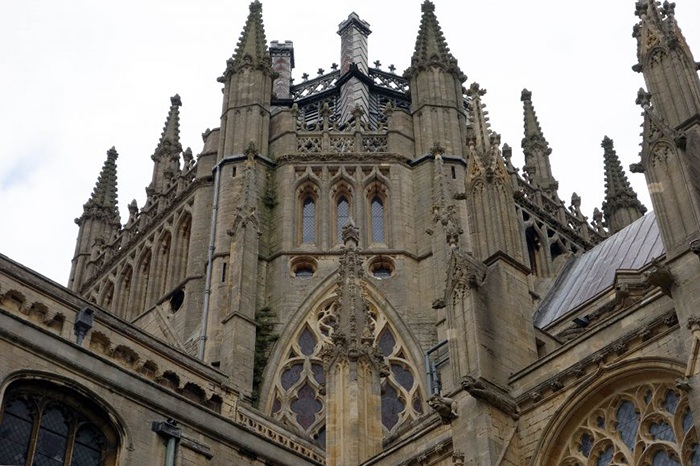
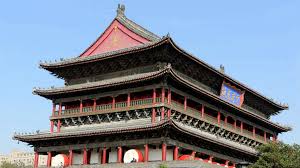
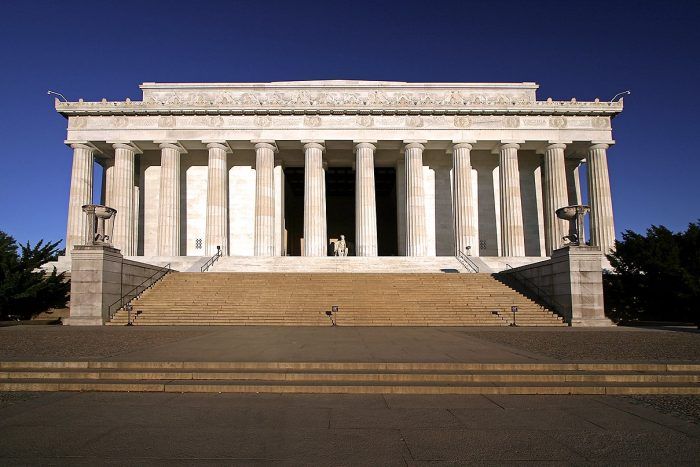
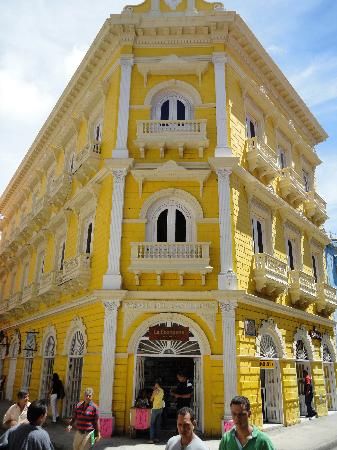
Who is the Greek god of the seas?
Zeus
Hades
Poseidon
Hermes
Which continent is Greece part of?
Africa
North America
Europe
Asia
How is the location of Greece on the Mediterranean Sea beneficial for trade and expansion?
Greece is located in Africa.
Greece's water travel allowed traders to reach many areas.
Greece's islands make it difficult to travel.
True or false. Greece's natural barriers made it difficult for people to interact and form one large, unified country.
True
False
Why are olives such an important crop?
Olive trees grew easily in the climate and soil conditions.
Olive trees provided little trading options
Olive trees grew poorly in the Mediterranean climate.

In which ways did ancient Greeks adapt to their environment?
farming, fishing, trade, and shipbuilding
farming, sewing, silk production, and writing
fishing, trade, pyramid building, and art
trade, shipbuilding, writing, and storytelling

What is the name of the Greek building that sits atop the Acropolis?
Colosseum
The Great Wall
The Parthenon
The Capital Building

The government of the United States is based on the ancient Greek idea of a -
king over a nation
president who makes all the laws
government by the people
colony appointed by a king

Ancient Greek men voted on their own rules and laws. This form of government is called -
monarchy
republic
representative democracy
direct democracy

What did architects of ancient Greece use in the construction of their buildings?
arches
stone walls
mosaics
columns
On which mountain did the gods known as the 12 Olympians live


The ancient Greeks were excellent sailors.

What was the first major civilization to develop in Greece?
The Mycenaeans
The Minoans
The Persians
In what way were the Minoans and the Mycenaeans similar?
They both traded with other societies.
They both spoke Greek.
They both were located on peninsulas.
On what island did the Minoan civilization exist?
Rhodes
Cyclades
Chios
Crete
List some cities that started as Greek colonies.
Troy
Ephesus
Rhodes
Corinth
Macedonia
Chios
Instanbul
Marseille
Naples
Olimpia
London
Syracuse
True or False
Women could become citizens in Athens.
False
True
What requirements did an Athenian child have to have to become a citizen?
Male
Parents can be foreigners.
Have some education.
Male or female.
Parents are fre-born.
2 years military training.
Male, female or slave.
Complete education.
2 years military training.
Male
Parents must be free-born.
Complete education.
2 years military training.
True or False
In the 590's BC, a leader named Solon ruled that all free men living in Athens were aristocrats.
True
False
A massive military formation in which soldiers overlapped their shield to protect their comrade who stood beside them was called a ____
Mace
Phalanx
Javelin
Reason
At what age could a Spartan male marry?
30
13
20
18
The class of slaves in Sparta were called the
Soldiers
Platoon
Phalanx
Helots
The southern peninsula of Greece is called
Athens
Sparta
Peloponnesus
Asia Minor
How long did Spartan men stay in the army?
Till they were 20
Till they were 60
Till they were 30
Till they were 50
Themistocles was a _____ leader who convinced the people to use their silver ot build a navy.
Spartan
Olympian
Athenian
Persian
A Greek leader from the 600's BC, who created a set of laws in Athens that were very harsh-minor crimes punishable by death.
Peisistratus
Solon
Draco
Pericles
An Athenian aristocrat who helped to overthrow the aristocracy and helped create the world's first democracy.
Cleisthenes
Peisistratus
Pericles
Themistocles

