Worksheets
Electromagnets and Generators
Total questions: 26
Worksheet time: 36mins
A type of magnet that has temporary magnetic effect when electric current flows through it.
This refer to
Electric
Electronic
Electrostatic
Electromagnet

Wire or solenoid
Ferromagnetic (iron) core
Power source/Battery

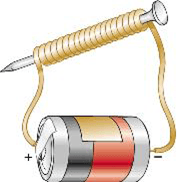
This is an object made from a battery, a nail and some wire. What will happen if you touch a metal paper clip to the nail?
The wires will melt.
The battery will spark.
The nail will give you a shock.
The paper clip will stick to the nail.


What must the student do in the picture, in order to induce electricity and move the the galvonometer
nothing
move the magnet
add more loops of wire
unplug the galvnonmeter
What type of particle is a Electron ?
Positive
Negative
Opposite Poles ___________________________.
Repel each other.
Attract each other.
Like poles ____________.
Attract each other.
Repel each other.
Neither repel or attract.
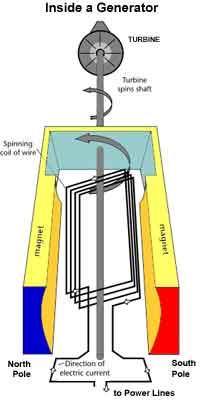
In a _______ a spinning turbine moves magnets which generates an electric current.
Motor
Generator
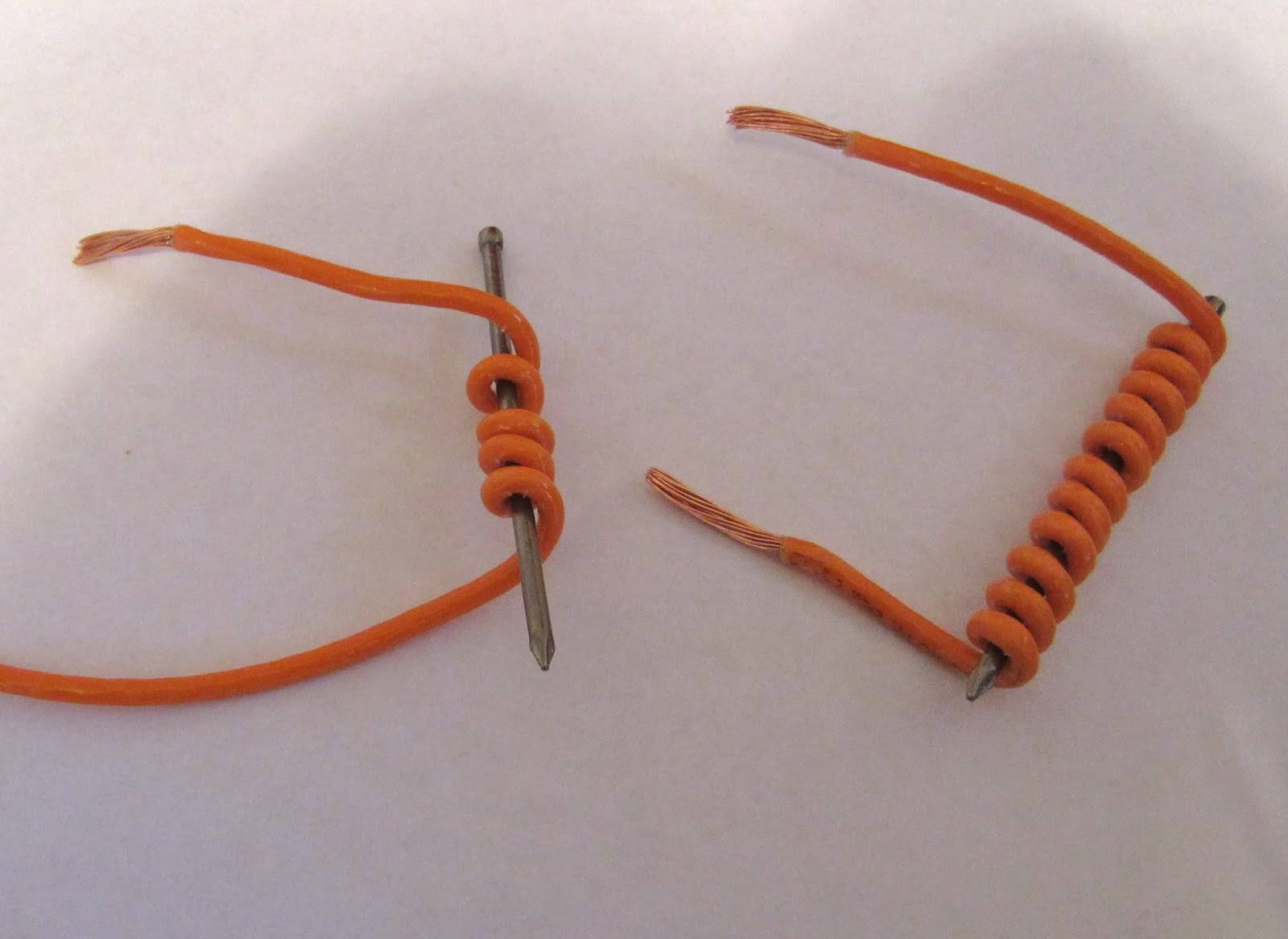
What can you do to make electromagnets stronger?
Increase number of coils of wire.
Increase number of batteries used.
Both A and B.
Neither A nor B.
Which of the following statements is true about electricity?
Electricity is the flow of negatively charged particles called electrons.
Electricity is the flow of negatively charged particles called protons.
Electricity is the flow of negatively charged particles called neutrons.
Electricity is the flow of neutrally charged particles called neutrons.
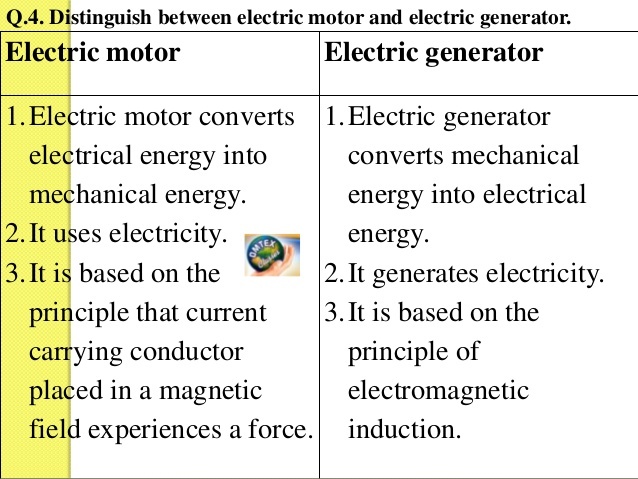
In a(n) ____________, a spinning turbine moves magnets which generates an electric current.
electromagnet
permanent magnet
motor
generator
Which of the following represents how generators convert energy?
chemical energy -----------> solar energy
mechanical energy ------------> chemical energy
mechanical energy -----------> electrical energy
electrical energy ------------> mechanical energy
What do you think would happen to an electromagnet if you disconnected the battery?
Nothing would happen to the electromagnet.
The electromagnets magnetic field would get stronger.
The electromagnets magnetic field would get weaker.
The electromagnets magnetic field would "go away."

How are electromagnets different from permanent magnets?
magnets can be turned on/off
you can turn an electromagnet on/off
magnets are more powerful
magnets have a North and South pole