
 Worksheets
Personal Finance STUDY GUIDE
Total questions: 104
Worksheet time: 1hrs 11mins
This will result in which of the following fees?
What should be written on the "Pay to the order of" line of the check?

Alexia wrote down a plan for spending and saving her money. Alexia's plan is her _____.
budget
withdrawal
deposit slip
account number
Mia wants a new phone, but she needs a new notebook for class. What should she do?
Buy the notebook and put away money for the phone.
Buy the phone and put away money for the notebook.
Buy the notebook and tell Moby to buy her the phone.
Buy the phone and use Moby's notebook for a while.


What is an Automated Teller Machine?
cash machine
An ATM
A machine to withdraw and deposit money
All of the above
What is a bank?
a retail shop that primarily sells food
a financial institution, which is a fancy way of
saying a business that stores and manages money for
individuals and other businesses.
a nonprofit-making money cooperative whose members can borrow from pooled deposits at low interest rate
a financial institution that facilitates the buying and selling of house and buildings


Money paid regularly at a particular rate for the use of money lent, or for delaying the repayment of a debt.
Unearned income is reported on your tax form and taxes must be paid on them.
True
False
Employees who are paid biweekly are paid twice a week.
True
False
Tax deductions are calculated as a percentage of net pay.
True
False
Social security is the tax that pays for medical insurance for older adults.
True
False
Which form is used to report an employees earnings and taxes paid in a year?
W-2
W-4
I-9
1040
By what date must employers provide, or place in the mail, a wage earner's W-2 statement?
January 1
January 31
April 1
April 15
What is the deadline for filing personal income tax?
March 15th
April 15th
June 15th
December 15th
What are the four most common taxes that come out of a person’s payroll check?
Federal Income Tax
State Income Tax
City/Local Income Tax
Medicare Tax
Social Security
amount returned by the government for overpaid taxes
Transfer payment
Tax refund
Income that has not been worked for such as interest, dividends, or gambling winnings
disposable income
unearned income
earned income
workers compensation
Wages, salary and tips
unearned income
earned income
disposable income
Pays medical and disability benefits to employees injured on the job
unearned income
earned income
workers compensation
Medicare
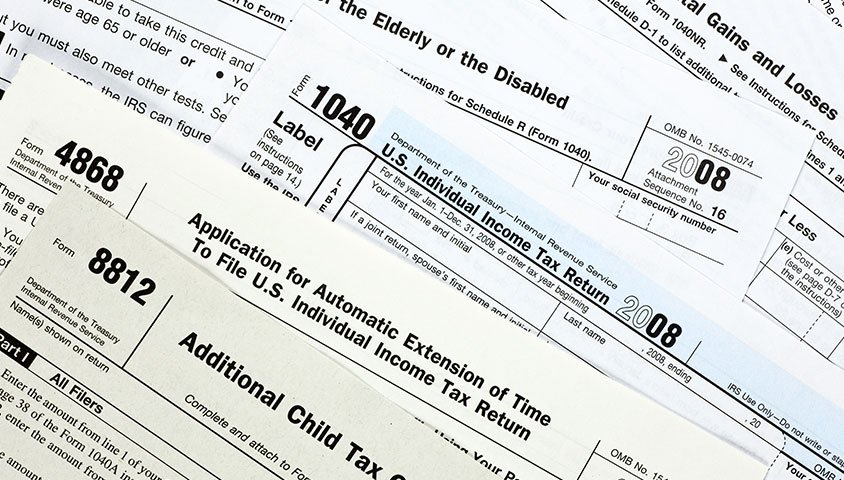
The W-4 form lets...
the government know how much you paid in taxes last year
your employer know how much to withhold from your paycheck
the 3 major credit bureaus know how many dependents you have
you know how much you paid in taxes last year
Jess is 21, a part-time college student, & has a job that provides 65% of her support. Is she a dependent?
Yes
No
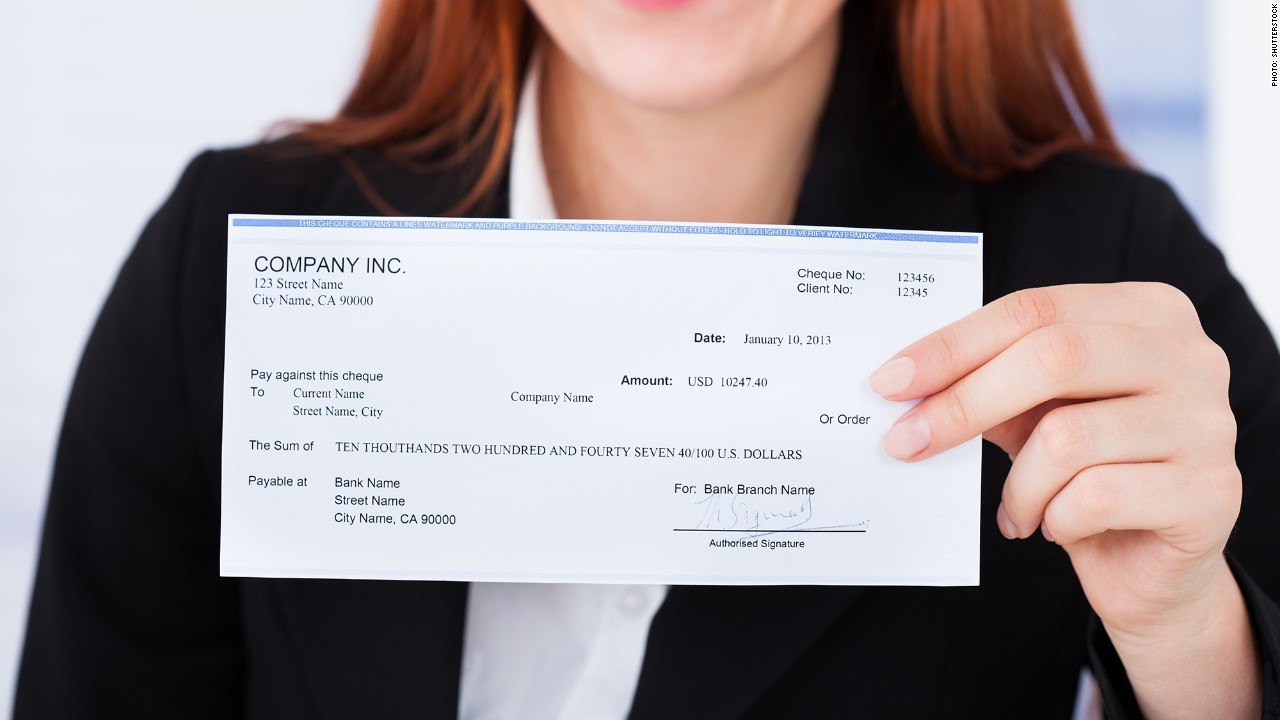
The more allowances you claim on your W-4...
The more money is withheld from your paycheck
The less money is withheld from your paycheck
The # of allowances doesn't impact how much $ is withheld
You claim allowances on a W-2, not the W-4
Which of the following forms is a summary of what you made & what you paid? Hint: You DON'T fill it out, but it IS needed in order to file your taxes
W2 Form
W4 Form
1040EZ
I9 Form
A fixed amount all people are allowed to deduct from their adjusted gross income to reduce their tax liability
Standard Deduction
Itemized Deduction
entitled to some or all of one's money in a retirement plan when leaving a company
benefit
insurance
bonus
vested

Which of the following are the two largest categories for US consumer spending?
Food and clothing
Food and personal insurance
Health care and utilities
Housing and transportation

The zero-budget is the best method of budgeting because:
This type of budget is less complicated than other types of budgets
A zero-based budget allows less money for wants
Sticking to a zero-based budget requires less discipline
The zero-based budget ensures that every dollar you make is assigned a specific purpose

When it comes to managing money, success is about ________ % knowledge and ___________% behavior.
50, 50
60, 40
80, 20
20, 80

Why is having a fully funded emergency fund so important when it comes to your financial well-being?
As long as you have a good-paying job, you really don’t need am emergency fund
The purpose of an emergency fund is to set money aside for unexpected financial emergencies and to provide a sense of financial security.
The purpose of an emergency fund is to have money set aside so that you never make large purchases, like vacations.
None of the above

In which category should you have to make the most cuts in the budget?
Savings
Variable/Flexible Expenses
Fixed Expenses
Emergency Fund

Which of the following costs is; Rent?
Fixed Cost
Variable/ Flexible Cost
Discretionary Cost

Which of the following costs is; haircut?
Fixed Cost
Variable/ Flexible Cost
Discretionary Cost

Which of the following costs is; utilities
Fixed Cost
Variable/ Flexible Cost
Discretionary Cost

Which of the following costs is; Groceries
Fixed Cost
Variable/ Flexible Cost
Discretionary Cost
At your age, a fully funded emergency fund should be:
$500
$5,000
$100
$1,000
What is the study of economics?
How people satisfy their wants in a world of scarcity.
The best way to run a society.
Wealthy nations waste their resources
Production of new technology
Personal & Family Budget is.
A detail list of income
A detail list of expenses
A detail list of expected income and expenses
Chapter 7 Bankruptcy eliminated all debt except (student loans, government taxes, child support and alimony). True or False
True
False
Long Term Goals are
A goal you want to accomplish in 3 years or more
A goal you want to accomplish in 3 months
A goal you want to accomplish in 5 months
What are Short Term Goals?
A goal you want to accomplish in a year
A goal you want to accomplish soon
A goal you want to accomplish in 5 months
Majorly doctors provide medical diagnoses and opinions, while the nurses provide aid and ________.
Food
physical treatment
Starting a converstion
leaving the room
Identify the types of Private Insurance of healthcare.
Medicare
HMO
Medicaid
PPO
Which of the following are government-funded health insurance?
PPO
Medicare
Medicaid
HMO
Which insurance typically requires the patient to visit their primary care physician before seeing a specialist?
HMO
PPO
Medicare
Medicaid
Which insurance pays a higher % of costs if an in-plan provider is used?
HMO
PPO
Medicaid
Medicare
Choose the correct definition for Co-Pay.
The amount paid to buy health insurance coverage. Employers and employees usually share the cost of premiums.
The specific amount of claims you will pay before the insurance company pays.
certain amount that you pay for medical costs. For example, you pay $20 every time you visit a physician.
Choose the correct definition for Co-Insurance.
the amount you pay to the dr. or provider at the time of service. The dr. collects this amount of your share cost of insurance (ex. 80/20).
The maximum amount that a person must pay under an insurance plan.
The specific amount of claims you will pay before the insurance company pays.
Select the correct definition for Premium.
The amount paid to buy health insurance coverage. Employers and employees usually share the cost of premiums.
The maximum amount that a person must pay under an insurance plan.
certain amount that you pay for medical costs. For example, you pay $20 every time you visit a physician.
What type of doctor treats heart and blood vessel conditions?
Allergist
Oncologist
Ob/Gyn
Cardiologist
What type of doctor treats skin conditions, such as Moles, Acne, Skin Cancer or other conditions?
Dermatologist
Cardiologist
Podiatrist
Oncologist
What doctor specializes on cancer?
Dermatologist
Cardiologist
Oncologist
Orthopedic
What type of doctor focuses on women’s health, including pregnancy and childbirth?
Ob/Gyn
Dermatologist
Oncologist
Cardiologist
Which type of facility focuses on sample analysis and testing?
health department
ambulatory care
mental health center
laboratory
If a person goes to the hospital to receive a blood transfusion, but returns home in 6 hours, it is called _______ care.
hospice
acute
subacute
Outpatient
ACA stands for
Affordable Care Act
Action Cat Attack
Assistance for Children & Adults
America Cares Act
Most Americans get their health insurance how?
Buy it themselves on private markets
Apply for government-backed programs
Through their employers
Most Americans don't have health insurance.
The ACA did all of the following EXCEPT
Extend the age through which children can stay on their parents' plans
Provided guaranteed coverage for pre-existing conditions
Established price controls for medications
Made dental and vision coverages mandatory.
Capped the profits allowed by private insurance companies
HIPAA stands for _______________________
Hospital Insurance Privacy and Accountability Act
Health Insurance Portability and Accountability Act
Heavy Industry Problem and Accountability Act
None of these
Organizations or individuals that violate the privacy rules are subject to criminal charges of up to ____ years in jail.
1
2
5
10
What kind of personally identifiable health information is protected by HIPAA privacy rule?
Paper
Electronic
The Spoken Word
All of the Above
Patients have a right to access their health information.
True
False
The medical term EOB stands for
Explanation of Benefits
Explanation of Births
Explanation of Budget
Explanation of Blood work

sacdadc
(a)

