
 Worksheets
Evolution & Natural Selection
Total questions: 26
Worksheet time: 13mins
Name
Class
Date
1.
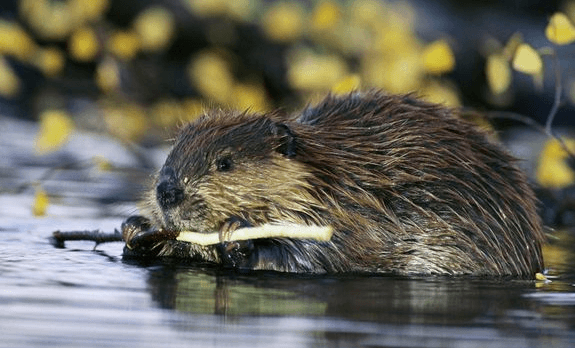
What is the term for a feature that allows an organism to survive in its environment?
a)
adaptation
b)
variation
c)
homologous structure
d)
vestigial structure
2.

a)
analogous structures
b)
homologous structures
c)
vestigial structures
d)
none of the above
3.

What is the process of which humans breed organisms for certain traits?
a)
artificial selection
b)
descent without modification
c)
inheritance of acquired characteristics
d)
natural selection
4.

Vertebrate embryos pass through similar stages of development is evidence for
a)
use and disuse
b)
homologous structures
c)
common ancestry
d)
acquired characteristics
5.

Individuals that are well adapted to their environment will survive and produce
a)
better traits
b)
stronger genes
c)
more offspring
d)
fewer mutations
6.

All the individuals of a species that live in a particular area are called a
a)
group
b)
population
c)
variation
d)
fossil
7.

The remnant of an organ that had a function in an early ancestor is known as a(n)
a)
vestigial structure
b)
analogous structure
c)
homologous structure
d)
fossil structure
8.
Survival of the Fittest and Evolution were proposed by what scientist?
a)
Charles Darwin
b)
Albert Einstein
c)
Steven Hawking
d)
Isaac Newton
9.
Which of the following would represent a sudden environmental change?
a)
Wildfire
b)
Global Warming
c)
Competition for food
d)
Desert encroachment
10.
Where the better adapted organisms survive to pass traits along to offspring.
a)
Evolution
b)
Natural Selection
c)
Extinction
d)
Artifical Selection
11.
Mutations are a change in what?
a)
DNA
b)
tRNA
c)
genotype
d)
phenotype
12.
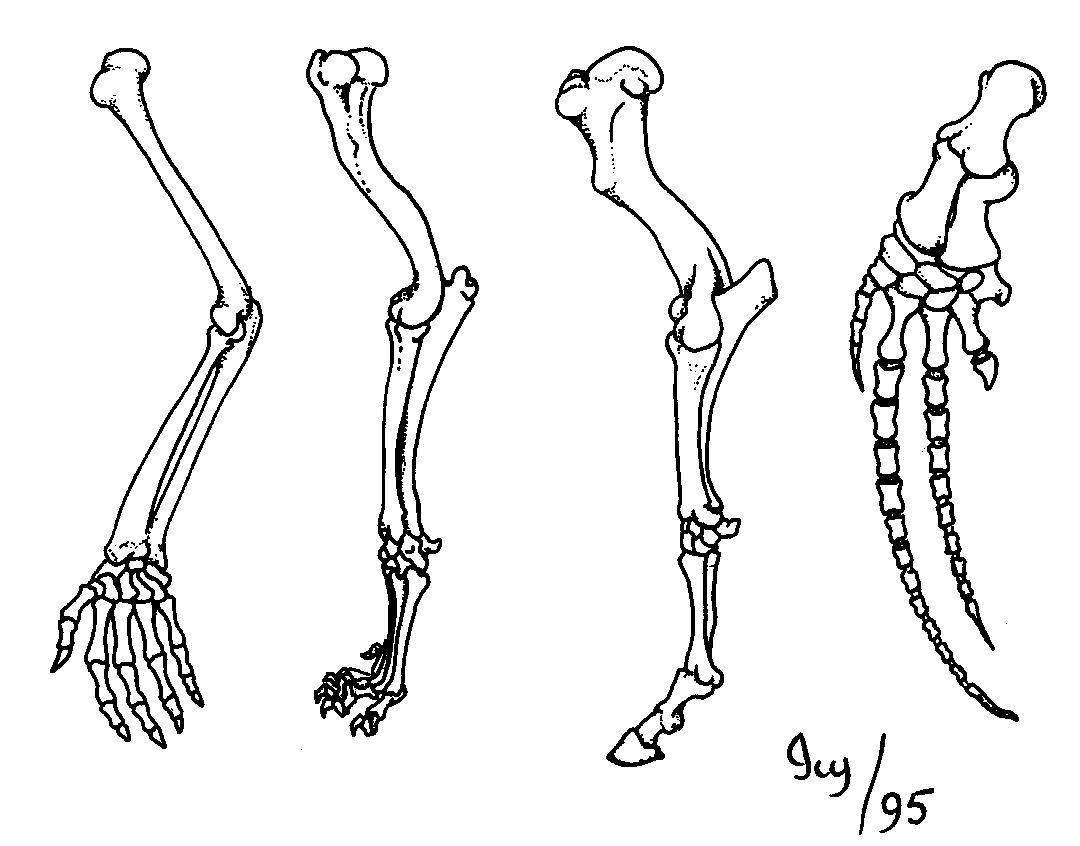
Structures with the same parts have different functions; suggests that organisms share a common ancestry
a)
vestigial structures
b)
homologous structures
c)
adaptive radiation
d)
fossil
13.

Study of embryos of various organisms to show a common ancestor because of similarities in development
a)
natural selection
b)
embryology
c)
speciation
d)
evolution
14.

Which of the following organisms the kingdom animalia are not closely related?
a)
mouse and hagfish
b)
mouse and lizard
c)
mouse and pigeon
d)
mouse and chimp
15.

Two organisms that are closely related would have
a)
very similar DNA sequence
b)
exactly the same DNA sequences
c)
no proteins in common
d)
completely different DNA sequence
16.
Which of the following are examples of evidence for evolution?
a)
Fossils and Cellular Structure
b)
Biological Structures
c)
Genetics/DNA
d)
All of the Above
17.

Which rock layer is the oldest?
a)
A
b)
B
c)
D
d)
F
18.
Which of the following could form a fossil?
a)
Bone
b)
Shell
c)
Seeds
d)
All of the above
19.
Which of the following is true about molds and casts
a)
A mold forms when hard parts of an organism buried by sediments are gradually dissolved
b)
A mold that becomes filled in with hardened materials forms a cast
c)
A cast is a copy of the shape of an organism
d)
All of the above
20.
In what way can scientists determine the ages of fossils?
a)
relative dating
b)
radioactive dating
c)
law of superposition
d)
All of the above
21.
In layers of sedimentary rock, the _________ layer is usually at the bottom. Each higher layer is _________ than the layers below it.
a)
oldest, younger
b)
youngest, older
c)
youngest, younger
d)
oldest, older
22.
A flash flood carried a raft of Amazon ants away from their original population. There is enough distance between the two groups, that they will never meet in nature again. What type of reproductive barrier is this?
a)
behavioral isolation
b)
temporal isolation
c)
gametic isolation
d)
geographic isolation
23.
Some female peacocks prefer males with large, colorful tales while other female peacocks prefer males with no tail at all. Females are beginning to only mate with the type of males with the tail they prefer. What type of reproductive barrier is this?
a)
behavioral isolation
b)
hybrid sterility
c)
temporal isolation
d)
mechanical isolation
24.
The flowers of pink tulips open in the morning, while the flowers of lavender tulips open in the early afternoon. The bees that pollinate these tulips cannot carry pollen back & forth between the two types of tulips because of their flowers being closed at different times of day. What type of reproductive barrier is this?
a)
behavioral isolation
b)
hybrid sterility
c)
temporal isolation
d)
mechanical isolation
25.
The term for the formation of new and distinct species over the course of evolution is...
a)
speciation
b)
biological species concept
c)
reproductive barrier
d)
natural selection
26.
What is a species?
a)
A group of organisms that can mate with each other and produce fertile offspring.
b)
A group of organisms that can mate and produce offspring even if those offspring are infertile.
c)
A group of organisms that genetically are very different from each other.
d)
Indivual organisms that live in the same environment.
100 %

