
 Worksheets
PE- HEALTH
Total questions: 36
Worksheet time: 18mins
What is Folk Dance?
It is a traditional dance that have been developed naturally and it is being passed down through generations.
Native dances of any specific "folk" or common people.
It is related to our everyday lives.
All of the above

Right arm is maintained above the head and left arm is placed in first position. Right foot placed in front of the left foot about one foot away from each other.
1st position
2nd position
3rd position
4th position

Both arms are raised in front of chest with rounded elbows. Heels together, 45 degrees open.
1st position
2nd position
3rd position
4th position
5th position

Both arms are raised above the head with rounded elbows. Right heel close to the left big toe.
1st position
2nd position
3rd position
4th position
5th position

Arms are opened sideward with rounded elbows. Feet apart about one foot away from each other.
1st position
2nd position
3rd position
4th position
5th position

Right arm is raised above the head and left arm is maintained in second position. Right heel close to the left in step.
1st position
2nd position
3rd position
4th position
5th position
The oldest form of dance in the Philippines
HipHop
Ballet
Jazz
Folk Dance
Who is the mother of the Philippine Folk dance?
Francesca Reyes
Franchisca Aquino
Francesca Reyes-Aquino
Francisca Reyes-Aquino
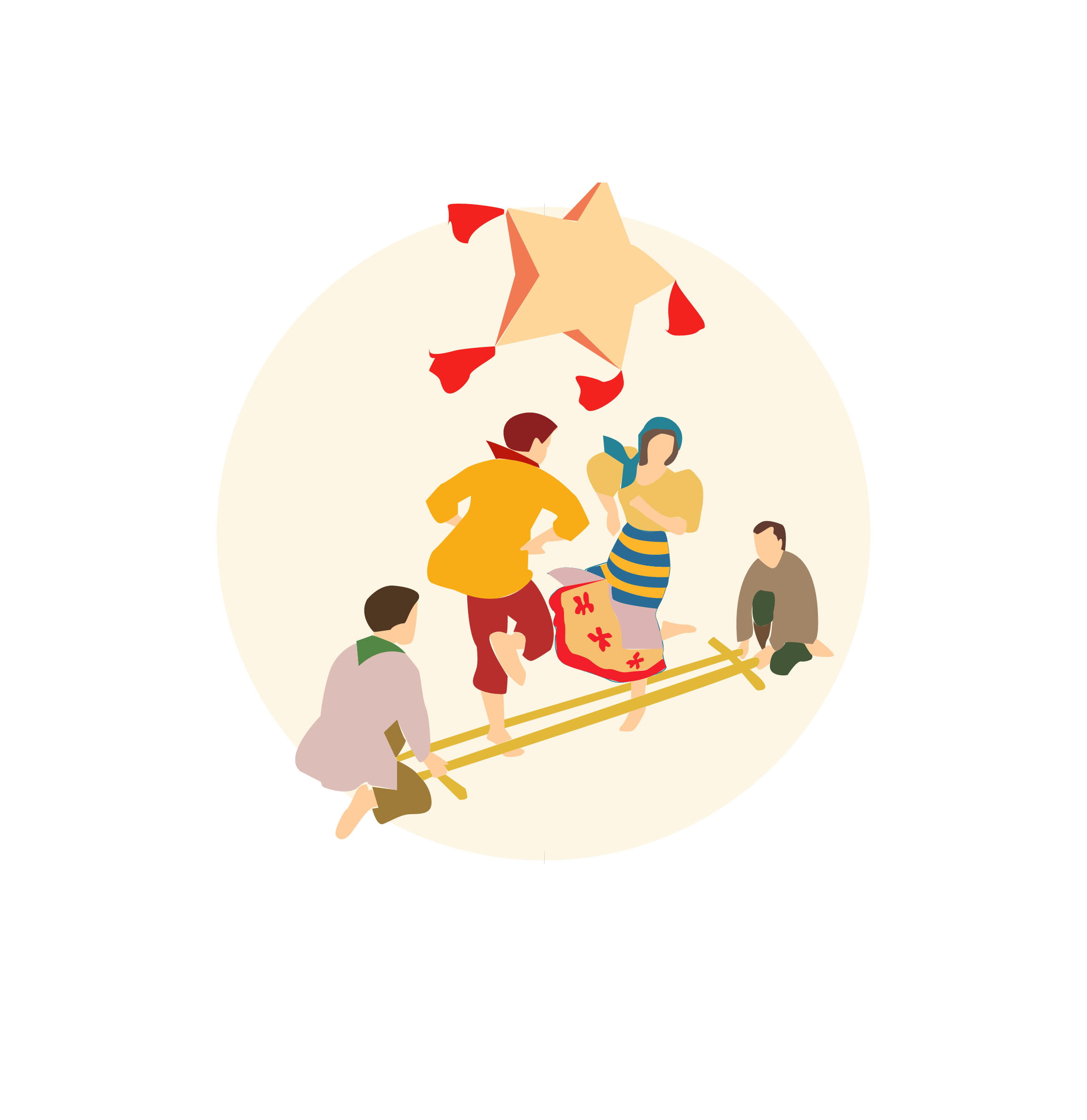
Folk dance of Visayas with a pair of dancers hopping between two bamboo poles held
Cariñosa
Tinikling
Binasuan
Itik itik
What is the best benefit of dancing?
To become iconic to others
To gain attention from audience
To attain health and wellness
A place where fire or heat has hurt your skin.
Burn
Bruise
cut
sling
A hole in your skin, where you have hurt yourself.
Burn
Cut
Bruise
Bandage
A place where your skin is purple, blue or green, where you have hurt yourself.
Cut
Bruise
Patient
Burn
A box with plasters and bandages in it, to help you when you hurt yourself.
Fridge
First aid kit
Ambulance
Paramedic
A piece of material you tie around your neck to hold your arm when you hurt it.
Bandage
Plaster
Stethoscope
Sling
A long piece of thin material you wrap around a part of your body that is hurt.
Sling
Bandage
Plaster
Thread
A person who sees a doctor because he/ she is ill or hurt.
Paramedic
Firefighter
Nurse
Patient
Heart attack is when blood flow to the heart is blocked
true
false
What is the first step when washing your hands?
rinse hands
put soap on them
wet hands
scrub hands


1.Most of the accidents occur due to our_________________.
alertness
carelessness
awareness
Do not play with _________________.
Sharp objects
football
toys
Do not touch electric appliances with ___________ hands.
dry
wet
soft
What are the four Ps that guide first aid?
Preserve life
.
Protect an unconscious person
Prevent the condition from worsening
Promote recovery and relieve pain
Perfect first aid
A in DRS - ABCD stands for?
Ambulance
Airway
Australians in need
Aid
B in DRS - ABCD stands for?
Breathing
Bandage
Best care
Buy them chips
C in DRS - ABCD stands for?
Circulation
C.P.R
Coma patients
Call an Ambulance
D in DRS - ABCD stands for?
Document incident
Don't leave the casualty
Danger
Defibrillation

