
 Worksheets
Ecosystem part 3
Total questions: 20
Worksheet time: 15mins
A group of living organisms of the same species inhabiting the same environment is called a ....
individual
population
community
ecosystem
A group of different kind of populations living together in the same environment is called a/an ….
individual
community
biome
ecosystem
A place where living organisms interact among themselves and with their environment is called….
food chain
biome
community
ecosystem
The linier sequence where living organisms eat and are eaten in certain order is called a … .
food chain
food web
ecosystem
symbiosis
The parasitic symbiosis happened on ....
fleas and cat; weeds and crops
mango tree and the parasitic plant; weeds and crops
pine trees and the plants around them; fleas and cat
fleas and cat; mango tree and the parasitic plant

The correct match between the symbiosis and the examples are shown in numbers ….
1 and 4
1, 2, and 3
2 and 4
1, 3, and 4
A symbiosis where both of the organisms benefit each other is called ... symbiosis.
ammensalism
commensalism
mutualism
parasitism

The symbiotic relationship happened in the picture is ....
amensalism
commensalism
parasitism
mutualism

The symbiosis relationship happened on the picture is ....
amensalism
parasitism
commensalism
mutualism

The symbiosis relationship happened on the picture is ....
parasitism, one gets benefit, while the other gets disadvantage
mutualism, benefit each other
commensalism, one gets benefit while the other is unaffected
amensalism, one gets disadvantage, while the other is unaffected

Diagram 14 shows a pyramid number of organisms live in an area.
Frog is the primary consumer
Spider is a tertiary consumer.
Aphids occupy the first trophic level of the food chain.
The total number of aphids is less than the total number of mango tree.

Parasititism
Saprophytism
Autotroph

The graph below which shows the changes in the population sizes of two species (X and Y) in a habitat over a period of time.
(b) What is the ecological relationship between X and Y?
predation
competition
mutualism
parasitism
A relationship between two species where one is harmed by the other, but the other is unaffected.
Mutualism
Commensalism
Parasitism
Amensalism
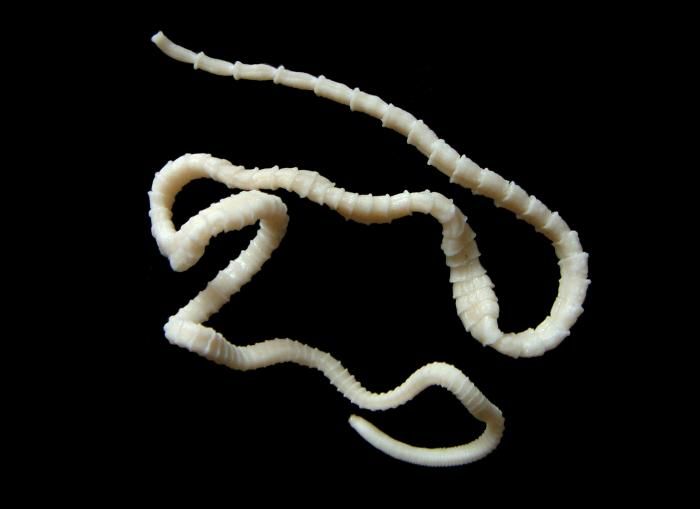
A tapeworm and a cat have this type of relationship.
Mutualistic
Parasitic
Commensalistic
Competitive

Cattle egrets forage (feed) in fields among cattle. The egret gets easy access to flying insects stirred up by the cattle, and the cattle don't care if they are there or not. This is an example of:
Mutualism
Commensalism
Competition
Parasitism

Remora are small fish with a sucker-like organ that allows them to attach themselves to larger animals like a shark. By doing this, the remora is able to gain protection from the presence of the shark while also traveling long distances more quickly. The remora is light enough to be carried with little effort, and the remora does no damage to shark. This relationship demonstrates which of the following?
Parasitism
Mutualism
Commensalism
Predation

Epiphytes are a class of plants that grow in the crooks of tree branches. They simply use the tree branches as a way to be higher - closer to the sunlight needed for photosynthesis. The trees aren't affected by this relationship. This is an example of which type of symbiosis?
Commensalism
Mutualism
Parasitism
Amensalism

Some weeds are known to secrete alelopathic substances that can inhibit the growth of other plants. The weeds could grow regardless of whether or not they secreted these poisonous substances, but they hinder the growth of other plants by doing so. This is an example of:
Mutualism
Commensalism
Parasitism
Amensalism

