wayground logo

Free Printable Worksheets

NEW

Font size

S
M
L
XL
Worksheets

Creating a Nation Review

Total questions: 45

Worksheet time: 39mins

Name
Class
Date
1.
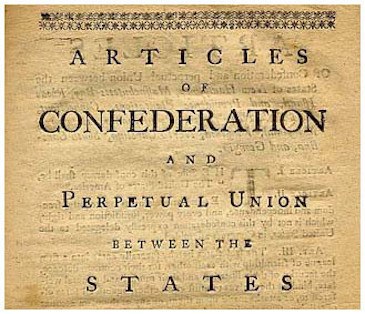
WHAT DOCUMENT DID THE U.S. CONSTITUTION REPLACE THAT WAS TOO WEAK?
a)
ARTICLES OF CONFEDERATION
b)
DECLARATION OF INDPENDENCE
c)
TREATY OF PARIS
d)
MONROE DOCTRINE
2.

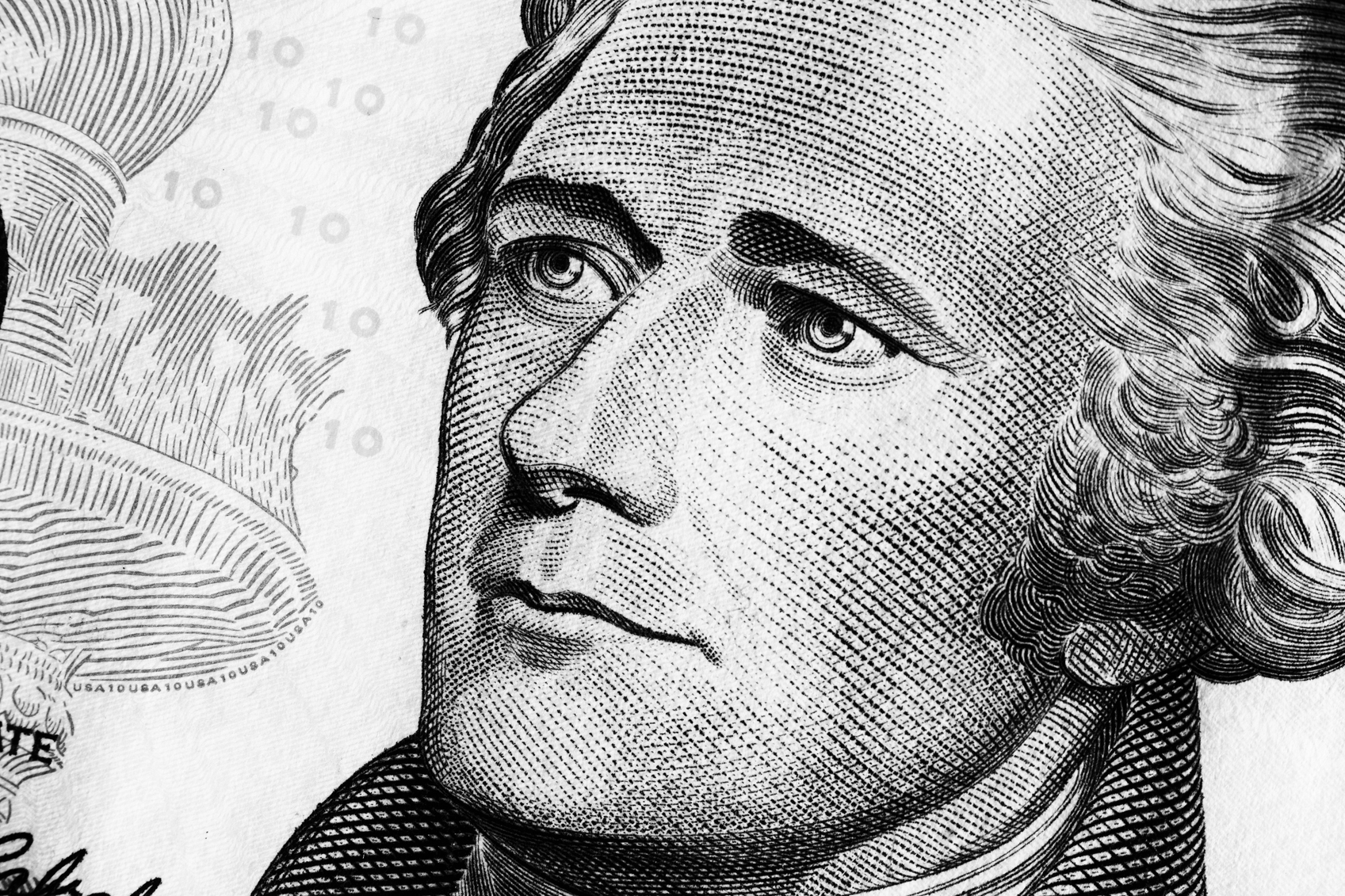
This group of people thought the US Constitution protected the people and wanted to ratify the US Constitution immediately. Their main leader was Alexander Hamilton.

a)

Federalists

b)

Democrats

c)

Republicans

d)

Anti-Federalists

3.

The first 10 amendments of the Constitution

a)

Bill of Rights

b)

10 Amendments

c)

The Right to have a Government

d)

Voting Power

4.
The Great Compromise was a compromise between--
a)
Mass. Plan and New Jersey Plan
b)
Virginia Plan and New Jersey Plan
c)
Virginia Plan and New York Plan
d)
Virginia Plan and Delaware Plan
5.
The Virginia Plan wanted representation based on--
a)
population
b)
equality for every state
c)
state size
d)
money
6.
The New Jersey Plan wanted representation in government based on--
a)
population
b)
equality for every state
c)
state size
d)
money
7.
The 3/5 Compromise settled the argument of--
a)
Representation in the Senate
b)
How slaves should be counted for representation
c)
How states should be represented
d)
Borders of states
8.

Who is known as the leader of the Federalists?

a)

Alexander Hamilton

b)

John Adams

c)

Patrick Henry

d)

Benjamin Franklin

9.

Federalists believed that the Articles of Confederation were a ________ and set up a ________ National Government.

a)

Success, Strong.

b)

Success, Weak.

c)

Failure, Weak.

d)

Failure, Strong.

10.

The ___________ are for the ratification (approval) of the U.S Constitution.

a)

Federalists

b)

Anti-Federalists

c)

Whiggs

d)

Representatives

11.

The ___________ are NOT for the ratification (approval) of the U.S Constitution.

a)

Anti-Federalists.

b)

Federalists.

c)

Whiggs.

d)

Supreme Court Justices.

12.

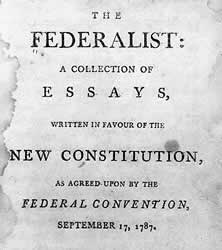
The "Federalist Papers" were written to:

a)

Explain and convince the people into supporting the new U.S Constitution.

b)

spark a new revolution among the American people against their government.

c)

oppose a strong centralized government.

d)

create a new monarchy.

13.

Anti-Federalists were in favor of:

a)

States Rights and the protection of individual rights.

b)

A strong Central Government.

c)

A Monarchy (King & Queen) to rule over the country.

d)

a powerful National Government

14.

How did the Federalists and Anti-Federalists "compromise" to ratify (approve) the U.S Constitution?

a)

The added the Bill of Rights (First 10 Amendments)

b)

They outlawed cruel and unusual punishment.

c)

Ensured due process of the law.

d)

The Federalists threatened the Anti-Federalists to war.

15.

The government is divided into how many branches?

a)

0

b)

1

c)

2

d)

3

16.

What is the goal of having different branches of government?

a)

So that one branch can have all the power

b)

To keep power balanced

c)

Power can go only to the President

d)

To inform the public

17.
Under the Articles of Confederation, the government consisted of _______________ branch of government.
a)
3
b)
2
c)
1
d)
4
18.
Under the Articles of Confederation Congress could only pass a law if ____________ out 13 states agreed. 
a)
13
b)
8
c)
9
d)
10
19.
One weakness of the Articles of the Confederation was ____________. 
a)
The ability of Congress to tax.
b)
The inability of Congress to tax.
c)
The ability of Congress to declare war.
d)
The ability of Congress to create courts.
20.
In order to change (amend) the Articles of Confederation,  __________ out of 13 states had to agree. 
a)
9
b)
10
c)
13
d)
15
21.

Under the Articles of Confederation, America used a national currency (one form of money)

a)

True

b)

False

22.
Under the Articles of Confederation, Congress could regulate trade between the states.
a)
true
b)
false
23.
The Supreme Court under the Articles of Confederation was made up of 9 Justices.
a)
True
b)
False
24.
Membership into Congress was based upon a state's population. 
a)
true
b)
false
25.
Under the Articles of Confederation, each state got __________ vote. 
a)
b)
2
c)
1
d)
5
26.
The Articles of Confederation created a _________________ type of government.
a)
strong
b)
average
c)
weak
d)
federal
27.
Bicameral means...
a)
Three House
b)
Two House
c)
One House
d)
Five House
28.
Having the same amount of representatives per state is an example of what?
a)
Proportional Representation
b)
The House of Representatives
c)
The Virginia Plan
d)
Equal Representation
29.
How many houses would be in Congress under the New Jersey Plan?
a)
Two
b)
Five
c)
One
d)
Three
30.

Which two things did the Great Compromise create?

a)

Two Houses in Congress, one equal and one based on population

b)

One house system, equal representation

c)

Two House system all proportional represenation

d)

Two House system, all equal representation

31.
What proportion of slaves were counted for determining population?
a)
1/4
b)
2/5
c)
3/5
d)
4/5
32.
The North wanted slaves to count for what purpose?
a)
Population
b)
Taxation
c)
No purpose at all
d)
both  population and taxation
33.
Who would support a STRONG central government?
a)
Federalists
b)
Anti-Federalists
34.
Who demanded that a Bill of Rights be added to the Constitution?
a)
Federalists
b)
Anti-Federalists
35.
Who is known as the "father" of the Constitution?
a)
George Washington
b)
George Mason
c)
John Adams
d)
James Madison
36.

Where was the Constitutional Convention?

a)

Washington D.C

b)

New York

c)

Philadelphia

d)

Vermont

37.
What is the biggest example of the failure of the Articles of Confederation?
a)
Land Ordinance of 1787
b)
Northwest Ordinance
c)
Revolutionary War
d)
Shays Rebellion
38.

What compromise created the House of Representatives and The Senate?

a)

Virginia Plan

b)

New Jersey Plan

c)

3/5 Compromise

d)

The Great Compromise

39.

Unicameral mean how many sections?

a)

one

b)

two

c)

three

d)

four

40.

Which group of people wrote the Federalist Papers to support the Constitution?

a)

Thomas Jefferson, Alexander Hamilton, Aaron Burr

b)

Thomas Jefferson, Patrick Henry, George Mason

c)

Alexander Hamilton, James Madison, John Jay

d)

George Washington, Aaron Burr, James Madison

41.

Who was the President of the Convention, but said little on any issue?

a)

Alexander Hamilton

b)

George Washington

c)

Benjamin Franklin

d)

Thomas Jefferson

42.

Who created the Bill of Rights, which listed 10 amendments to protect the rights of the people?

a)

Thomas Jefferson

b)

Roger Sherman

c)

John Jay

d)

James Madison

43.

Where was the United States Capitol located?

a)

Philadelphia

b)

New York

c)

District of Columbia

d)

Virginia

44.

Alexander Hamilton, James Madison, and John Jay wrote these essays to support the passing of the Constitution...

a)

Constitution Essays

b)

Federalist Papers

c)

Declaration of Independence

d)

United States Papers

45.

Who was the President of the Convention, but said little on any issue?

a)

Alexander Hamilton

b)

George Washington

c)

Benjamin Franklin

d)

Thomas Jefferson