
 Worksheets
Plate tectonics
Total questions: 24
Worksheet time: 24mins
Tectonic plates move quickly.
true
false
There are ____ major tectonic plates.
1
5
7
10
Earth's huge supercontinent that existed millions of years ago.
pangea
panda

Plate tectonics explains the cause of ___.
volcanoes
earthquakes
all of these

tectonic plates
mountains
oceans

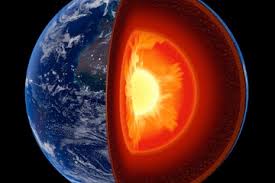
core
mantle
crust
..constantly moving and changing the face of the Earth
..never moving
..moving rarely and very fast
..move when they feel like it

Is there a pattern to the locations of earthquakes and volcanoes around the globe?
No, earthquakes and volcanoes are random.
Yes, earthquakes and volcanoes usually occur near the boundaries (edges) of tectonic plates.
Yes, earthquakes and volcanoes usually occur in the middle of tectonic plates.
Tectonic plates:
can move towards each other
can move away from each other
can slide past each other
all of the above
Check all the statements that are true according to the scientific evidence about Pangaea.
Pangaea only formed once.
There are many ways that continents could fit together to form Pangaea.
Pangaea formed more than once.
Similar ancient animal fossils were found on Africa and South America.
Earth's continents used to be part of a super-continent called Pangaea.
Check the true statements.
warmer materials rise
warmer materials sink
cooler materials rise
cooler materials sink
The would all increase (more)
They would all decrease (less)
They would stay the same. (no change)
biscuits
volcanoes and earthquakes
pieces of crust and upper mantle
the mountains
inner core
mantle
crust
outer core
inner core
mantle
crust
outer core
inner core
mantle
crust
outer core
inner core
mantle
crust
outer core
The name of the single landmass that began to break apart 200 million years ago.
Antarctica
Africa
Pangaea
Gondwana
Laurasia

About how fast do you think the tectonic plates move?

As fast as students leave school at the end of the day
As fast as your nails grow
As fast as you can run
What do you think happens when two plates converge (collide)?
Mountains form

A trench forms
They change course and move somewhere else

