Wayground logo

Free Printable Worksheets

Font size

S
M
L
XL
Worksheets

Population and Symbiosis

Total questions: 25

Worksheet time: 6hrs 15mins

Name
Class
Date
1.
Cattle egrets forage (feed) in fields among cattle. The egret gets easy access to flying insects stirred up by the cattle, and the cattle don't care if they are there or not.
a)
mutualism
b)
commensalism
c)
competition
d)
parasitism
2.
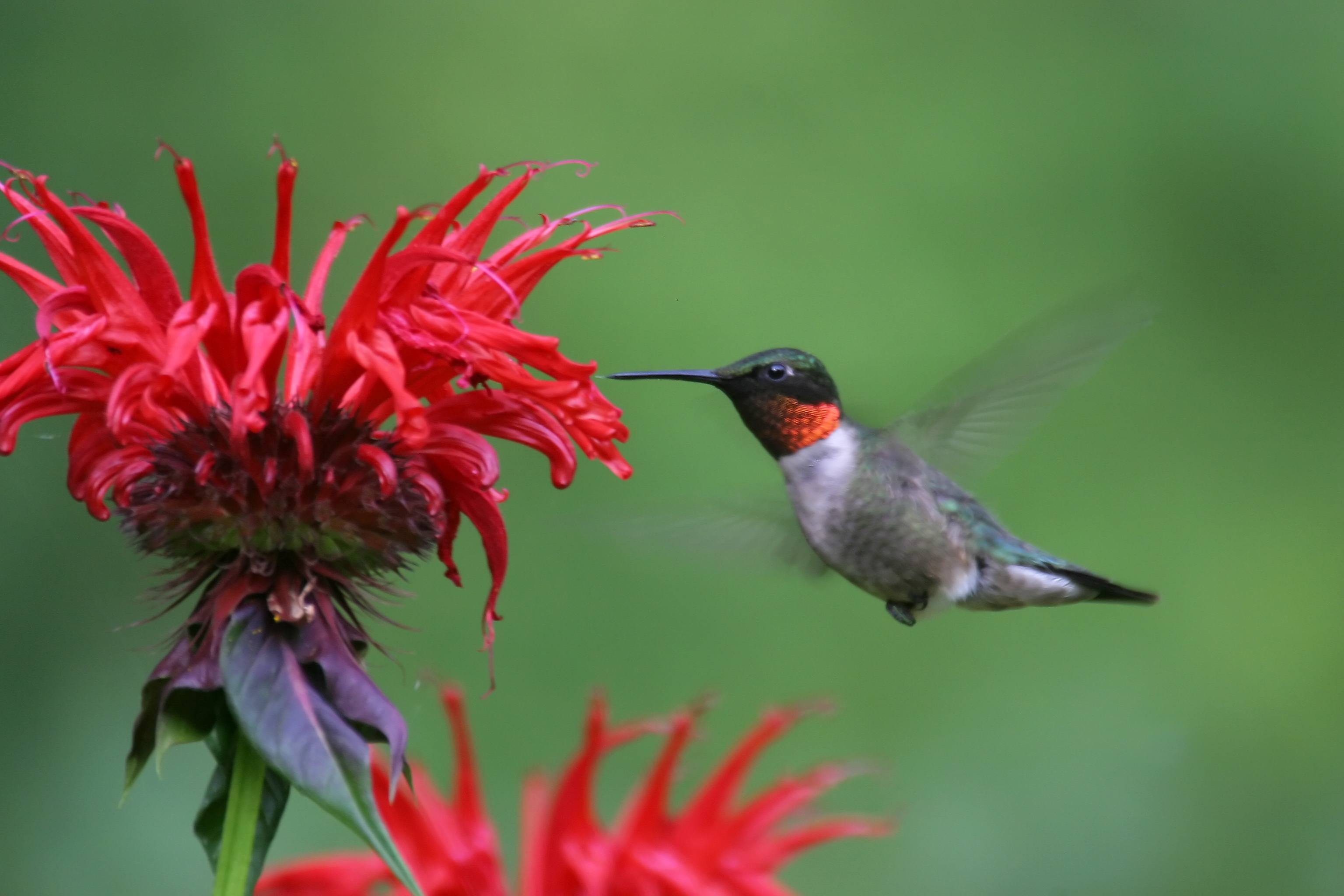
What type of symbiosis?  Hummingbirds feed on nectar from flowers.  The flowers are pollinated by hummingbirds as they move from flower to flower.
a)
commensalism
b)
mutualism
c)
parasitism
d)
predation
3.
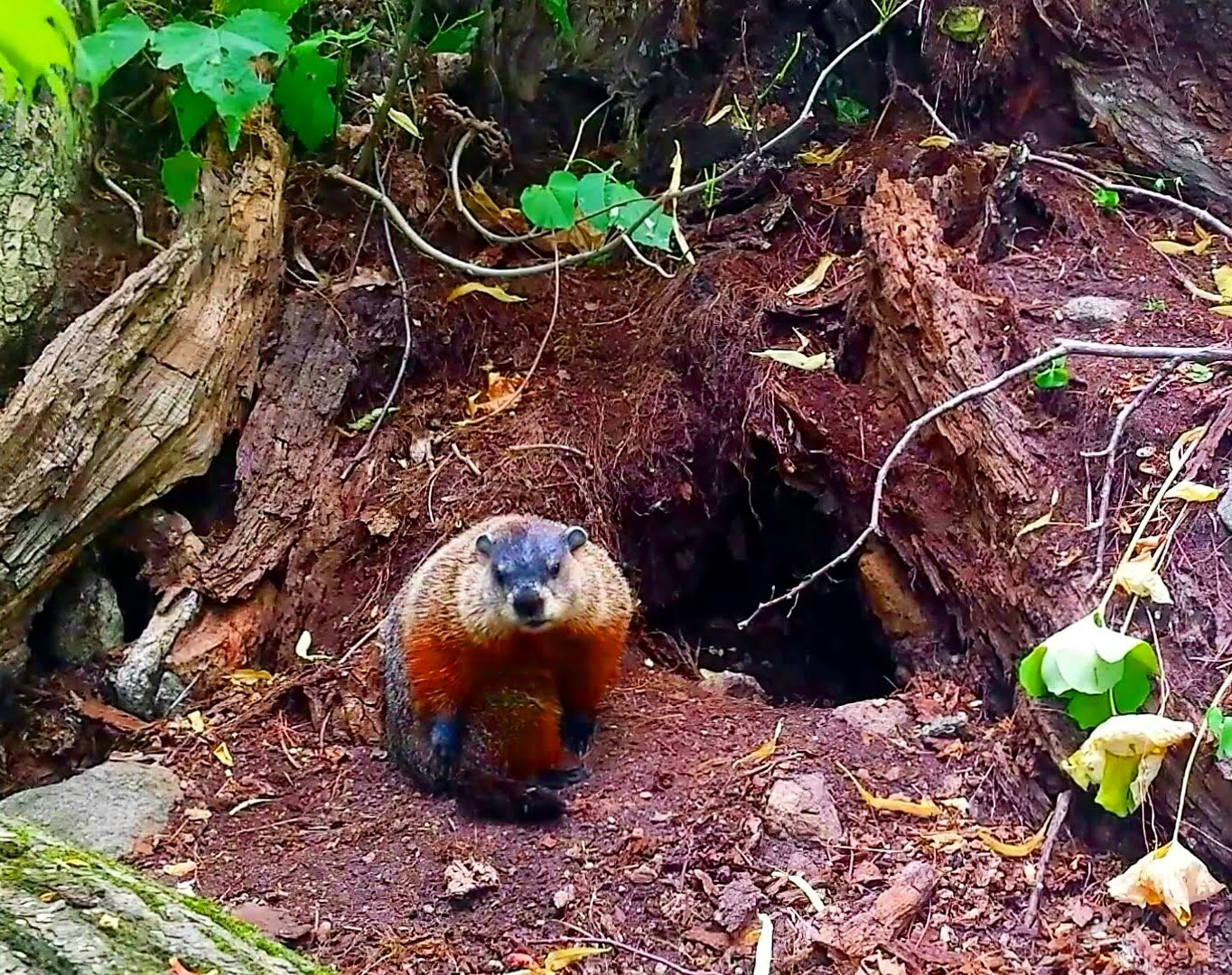
What type of symbiosis?  Skunks often live in burrows that have been dug and abandoned by woodchucks.  
a)
commensalism
b)
mutualism
c)
parasitism
d)
predation
4.
Which symbols best describe parasitism?
a)
+,+
b)
+,-
c)
+,0
d)
-,0
5.

Aphids are tiny insects that live on and eat the leaves of plants, removing nutrients from the plants.

a)

Predation

b)

Parasitism

c)

Commensalism

d)

Mutualism

6.

Barnacles create home sites by attaching themselves to whales. The whales don't care if they're attached or not. 

a)
parasitism
b)
commensalism
c)
mutualism
7.

Mistletoe removes water and nutrients from a spruce tree. The spruce tree is harmed. 

a)
parasitism
b)
commensalism
c)
mutualism
8.
In a mutual relationship, both organisms are ________________. 
a)
hurt
b)
not effected
c)
harmed
d)
benefiting 
9.

What happened to the Hare population after the decrease in Lynx population in 1860? (the hare population is the taller pont above the arrow)

a)

The decrease of lynx led to an increase in the amount of hares.

b)

The decrease of lynx led to a decrease in the hare population.

c)

The hare population stayed the same.

10.

How did the increased population of wolves in year 5 affect the deer population in year 6?

a)

The increase in wolves led to a decrease in deer.

b)

There was no effect because the data showed that the population stayed the same.

c)

The increase in wolves led to an increase in deer.

11.

Carrying Capacity is

a)

the capacity of what one person can carry per day

b)

how many animals you have in your daily bag limit at the end of the year

c)

wildebeest at a watering hole with zebras

d)

the maximum number of population size that the ecosystem can support

12.
When a population grows past the ecosystem's carrying capacity, what happens to the population?
a)
Continues to grow
b)
The population starts to die off to return to carrying capcity
c)
The population will go extinct due to lack of resources
d)
The population grows then finds a new carrying capacity
13.

The dotted line is representing what?

a)

Carrying Capacity

b)

Average of population

14.

What is the x-axis?

a)

months of the year

b)

wildlife population

15.

What is the y-axis?

a)

years

b)

wildlife population

16.

in 2014, which group had the highest population?

a)

bears

b)

dolphins

c)

whales

17.

Which statement best describes the trend for the entire graph?

a)

The whale population is increasing as the dolphins are decreasing.

b)

The bear population is increasing as the dolphins have decreased.

c)

The whale population and the bear populations are both increasing.

18.
What factor describes when populations increase because animals are moving into a population?
a)
Emigration
b)
Limiting Factors
c)
Immigration
d)
Exponential Growth
19.
What factor describes when populations decrease because animals are moving out of a population?
a)
Emigration
b)
Limiting Factors
c)
Immigration
d)
Exponential Growth
20.
What does the graph represent?
a)
Emigration
b)
Exponential growth
c)
Immigration
d)
Logistic Growth
21.
Which limiting factor is independent of the number of individuals in a population?
a)
competition
b)
parasitism/disease
c)
stress
d)
natural disasters
22.
A population is...
a)
A group of one species in one area
b)
Multiple species that live in one area
c)
All of the living and nonliving things in an area
d)
None of these
23.
Which factor is a density-dependent limiting factor on the population of a species?
a)
seasonal variation
b)
natural disasters
c)
unusual weather
d)
predation
24.

Which of the following could be a density-independent limiting factor in the desert?

a)

number of prey

b)

food supply

c)

parasitism

d)

rainfall

25.

In which month(s) did the Cottontail Rabbits reach their carrying capacity?

a)

January and February

b)

March and May

c)

April and January

d)

April and May