
Font size
 Worksheets
EOC BOSS level 1 [1-4]
Total questions: 176
Worksheet time: 3hrs 52mins

How does the Fourteenth Amendment define citizenship?
All persons born or naturalized in the U.S., are citizens of the U.S.
All persons born in the U.S., are citizens of the U.S.
All persons naturalized in the U.S., are citizens of the U.S.
All persons who apply for citizenship, are citizens of the U.S.
Who is considered a natural-born U.S. citizen?
Naturalized
Law of Blood
Permanent resident alien
Law of Soil
Which of the below is NOT considered a U.S. citizen?
Someone who has gone through naturalization
Someone who was born to American parents in Argentina
a legal permanent resident
a nonresident alien
Maria was born in Italy to an American father and an Italian mother – is she a U.S. citizen? Why?
Yes, Law of Soil
No, she would need to be naturalized
Yes, Law of Blood
No, Maria is an Italian citizen
Alejándro was born to Cuban parents in Miami, Florida – his parents are legal permanent residents. Is Alejándro a U.S. Citizen? Why?
Yes, Law of Soil
Yes, Law of Blood
Only if his parents go through naturalization
No, he would need to be naturalized
Which is a requirement for a person to become a naturalized U.S. citizen?
Marrying a U.S. citizen and having a child with that person
Being a legal resident of the U.S. for at least five years
Gaining employment in the U.S. for at least two years
Reaching age eighteen while living in the U.S. capital
Which is NOT a requirement for a person to become a naturalized citizen?
Be employed with a job
Have good character
Be fluent in English
Pass a naturalization test
Select the statement which is true of aliens in the United States:
cannot hold public office.
can vote in elections.
cannot attend school.
are not protected by U.S. laws.
A naturalized citizen...
is not able to vote in presidential elections.
does not have to know English.
is not required to take an oath of allegiance to the United States.
is not eligible to become president or vice president of the United States.
What is the term for the process by which legal resident aliens can become citizens?
Immigration
Dual Citizenship
Naturalization
Visa Application
An __________________ is a person who comes to a country to live permanently.
Emigrant
Resident Alien
Alien
Immigrant
Any person not a citizen or national of a country is known as an _____________.
Immigrant
Alien
Emigrant
Resident Alien
A legal permanent resident, or __________________, is someone who is legally and permanently living in the U.S., but not an American citizen.
Resident Alien
Immigrant
Alien
Emigrant
an amendment to the U.S. Constitution that defines citizenship, grants citizenship to former slaves, and defines voters as males at least 21 years of age
obligation
legal permanent resident
14th Amendment
naturalization
beliefs or actions that are seen as a benefit to the community rather than individual interests, also known as the public good
law of blood
common good
law of soil
obligation
something a person should do
responsibility
naturalization
citizen
selective service
any person not a citizen or national of a country
resident
naturalization
citizen
alien
a legal member of a state and/or country
alien
citizen
resident
law of soil
something a person should do
obligation
selective service
naturalization
responsibility
a system by which men ages 18 through 25 register with the U.S. government for military service
law of blood
selective service
citizen
common good
a person who comes to a country to live permanently
citizen
immigrant
alien
legal permanent resident
the principle that a person's nationality at birth is the same as that of his or her biological mother
law of blood
law of soil
legal permanent resident
naturalization
the principle that a person's nationality at birth is determined by the territory within which he or she was born
law of blood
legal permanent resident
law of soil
resident
someone who is legally and permanently living in the U.S., but not a citizen
legal permanent resident
14th Amendment
naturalization
immigrant
the process by which an immigrant becomes a citizen
citizen
law of blood
law of soil
naturalization
someone who lives in a place for a minimum period of time
resident
alien
citizen
naturalization


Within this small country, each citizen attends the governmental meetings and each citizen has one vote on all matters. Which form of government is being used?
Socialism
Representative Democracy
Direct Democracy
Oligarchy
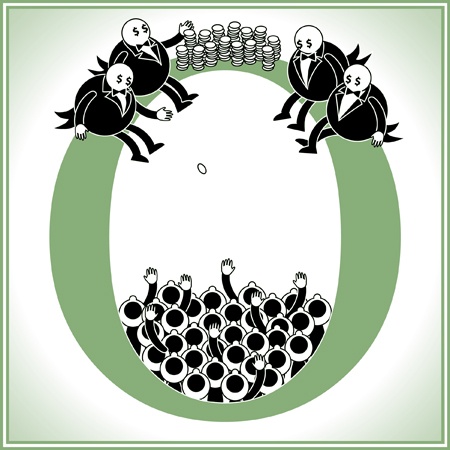
This country is run be a small group who makes all
decisions regarding the laws
and enforcement of the laws. Which form of government is being represented?
Unitary
Monarchy
Autocracy
Oligarchy

This country is run by a
dictator who makes all
decisions regarding the
government. Which form of government is being represented?
Autocracy
Parliamentary
Socialism
Communism

In this country, the government distributes wealth and services in order to provide for citizens. Which form of government is being represented?
Oligarchy
Monarchy
Socialism
Direct Democracy
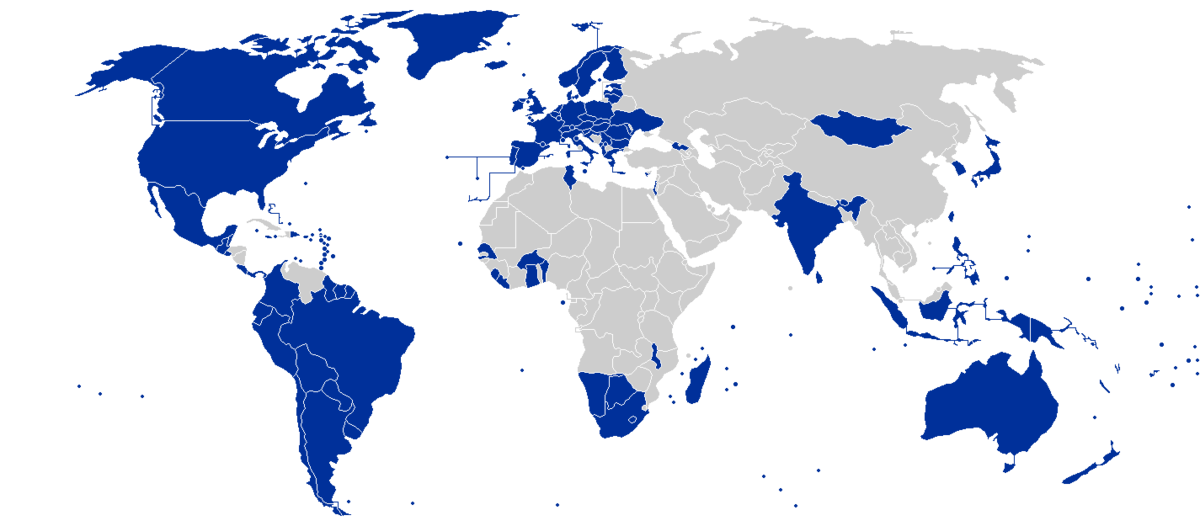
Within this country, each citizen has a vote to elect the persons who will represent them in the governmental decisions. Which form of government is being represented?
Federal
Direct Democracy
Representative Democracy/Republic
Monarchy

This country has a king who has inherited the power to run the county from his parents. Which form of government is being represented?
Communism
Unitary
Autocracy
Monarchy
In 1836, the countries of Bolivia, North Peru, and South Peru attempted a government system in which the three countries created a loose union that shared power as well as ruled themselves. Which system of government is being represented?
Confederal
Federal
Unitary
Parliamentary
Costa Rica is a peaceful, democratic republic where power is only given by the central government. Laws and taxes of the central government have full control over the regional division.
Parliamentary
Confederal
Unitary
Autocracy
Since its 1917 constitution, Mexico has had a central government based in its capital, Mexico City, and thirty-one states that also have their own state governments and share power with the central government. Which system of government is being represented?
Unitary
Confederal
Federal
Parliamentary
Fidel Castro took power as dictator over Cuba and made it communist in 1959 after leading the Cuban Revolution. Under this government system, only one political party was in control and only one person, Castro, made all decisions for the citizens. Which system of Government is being represented?
Parliamentary
Federal
Confederal
Unitary
The power of government is held with the legislative body, with a Prime Minister in charge. Which system of government is being represented?
Confederal
Parliamentary
Federal
Unitary

Which statement completes the diagram?

Which statement reflects the ideas put forth by Montesquieu?
What is the belief that individuals are born with basic rights that cannot be taken away by government?
natural law
social contract
separation of powers
consent of the governed
John Locke had the idea of _______, which stated that individuals are born with basic rights that can't be taken away by government.
natural laws
separation of powers
natural rights
social contract
What is it called when three branches of government have their own distinct powers?
checks and balances
separation of powers
natural law
consent of the governed
An agreement among the people and the government is called a
natural law
separation of powers
check
social contract
What were John Locke's 3 natural rights?
Life, Liberty, pursuit of happiness
Live, Laugh, Love
Life, Liberty, Property
Life, Speech, Religion
Thomas Jefferson used John Locke's natural rights in which famous U.S. document?
U.S. constitution
Declaration of independence
English Bill of Rights
Magna Carta

a pamphlet published by Thomas Paine in 1776 to convince the American colonists to support becoming independent from England
Magna Carta
Mayflower Compact
English Bill of Rights
Common Sense
a government document that expanded the powers of the English Parliament and expanded the rights of the people, as well as further limited the rights of the king; written by the members of the English Parliament in 1689
Magna Carta
Mayflower Compact
English Bill of Rights
Common Sense
a government document that limited the power of the king of England and protected the rights of the nobility; written by the English nobles in 1215
Magna Carta
Mayflower Compact
English Bill of Rights
Common Sense
an agreement between individuals that created a government that would provide order and protect the rights of the colonists; written by a group of English Puritans in Massachusetts in 1620
Magna Carta
Mayflower Compact
English Bill of Rights
Common Sense
popular or representative system where the people create and run their own government
limited government
rights
due process
rule of law
self-government
All people must follow the laws, and the laws should be enforced fairly.
limited government
rights
due process
rule of law
self-government
People have the right to fair and reasonable laws. Officials have to follow rules when enforcing laws and need to treat all people in the same way.
limited government
rights
due process
rule of law
self-government
A set of things that people believe they should be free to do without restrictions.
limited government
rights
due process
rule of law
self-government
A government that has been limited in power by a constitution, or written agreement.
limited government
rights
due process
rule of law
self-government
Who was Thomas Paine?
a bad guy who nobody liked
a loyal guy who supported to the British redcoats
a supported of the constitutional monarchy of Great Britain
a convincing guy who believed in self-government
How did the Magna Carta, Common Sense, and the English Bill of Rights help to change colonists beliefs?
made them believe that self gov.= independence
made them believe that self gov.= supporting Britain
made them believe that self gov.= limited monarchy
made them believe that self gov.= rule of law
What did the colonists support because of the influence of Common Sense?
Declaration of Independence
Articles of Confederation
Magna Carta
Mayflower Compact
What is the connection between all the documents that we studied?
self-government
limited (constitutional) monarchy
socialism
communism
What are a few of the documents that influenced the Founding fathers?
Magna Carta, Common Sense, Constitution
Magna Carta, Preamble, English Bill of RIghts
Magna Carta, Common Sense, English Bill of Rights
Magna Carta, Mayflower Compact, Emancipation Proclamation
A document is a written form of communication.
True
False
What influence did the Mayflower Compact have on the colonists views of government?
people can form a new government
created three separate branches of government
enumerated rights of the colonists
called for a written constitution

The picture shows a passage from Thomas Paine's Common Sense. Which statement shows this in our modern political system?
absolute monarchy controls laws
authoritarian governments restrict freedoms
members of the Supreme Court are appointed
legislative officials are elected by the people
The Magna Carta listed several things:
*The king could not impose taxes without approval
*A group of barons would make sure that rule of law was followed
*The king could appoint court officials if they understood and followed the law
What idea of government is described in this list?
separation of power
limited government
self-government
habeas corpus
The English Bill of Rights enumerated the following rights:
*right to bear arms
*right to petition the king
Which document was influenced by these ideas?
The Declaration of Independence
The Bill of Rights
Mayflower Compact
Declaration of Rights and Sentiments

The picture here shows the colonists on the Mayflower. Which idea of government best describes what we see here?
democracy
absolute monarchy
dictatorship
representative government
In his pamphlet Common Sense Thomas Paine claimed the British King had treated the colonists unfairly. Which term best describes this action?
habeas corpus
tyranny
right to counsel
right to bear arms
The Mayflower Compact is an example of...
social contract
pamphlet
natural law
checks and balances
"When in the Course of human events, it becomes necessary for one people to dissolve the political bands which have connected them with another..." -The Declaration of Independence, 1776
Which idea of government is described in this passage?
consent of the governed
limited government
habeas corpus
limited monarchy
Article One, Section 9, clause 2, which demands that "The privilege of the writ of habeas corpus shall not be suspended, unless when in cases of rebellion or invasion the public safety may require it." -U.S. Constitution
Which document impacted the view of government stated here?
Mayflower Compact
Common Sense
Magna Carta
Declaration of Independence
Which documents influenced the colonists’ views of government?
Common Sense, Articles of Confederation, Declaration of the Rights of Man
Virginia Declaration of Rights, Common Sense, Bill of Rights
Magna Carta, Mayflower Compact, Common Sense
Magna Carta, Iroquois Constitution, Common Sense
Which item is missing from this list?
Mayflower Compact -> Self-Government
Common Sense -> Independence
English Bill of Rights -> Individual rights
Declaration of Independence -> Natural rights
Magna Carta -> Rule of law
U.S. Constitution -> Separation of powers
Habeas Corpus -> Tyranny
Powers that are SHARED by states and the Federal government
Delegated
Enumerated
Concurrent
Reserved
Power that is ONLY for the state
Delegated
Enumerated
Concurrent
Reserved
Power that is ONLY for the Federal government (2)
Delegated
Enumerated
Concurrent
Reserved
This document is the SUPREM law of the land
Supreme Court
Supremacy Clause
US Constitiution
Bill of Rights
The division of power between local, state, and National government
Unitary
Federalism
Confederal
Republic

These are examples of what?
Elastic Clause
Supremacy clause
Public policies
Define: Ordinance
a piece or legislation enacted by the Federal government authority
a piece of legislation enacted by a city/town authority.
Define: elastic clause
US Constitution Clause that grants Congress the power to pass whatever laws are deemed necessary and proper
US Constitution Clause that grants States the power to pass whatever laws are deemed necessary and proper
FL Constitution Clause that grants Florida the power to pass whatever laws are deemed necessary and proper
Which amendment gives states this power: "The powers not delegated to the United States by the Constitution, nor prohibited by it to the states, are reserved to the states respectively, or to the people."
V amendment
X amendment
VI amendment
Which word/words means the same as Federal government
National
Central
State
according to the _____________ clause the US constitution is the highest law of the land
Necessary and proper
Supremacy
Elastic
a business or organization established to provide a particular service, typically one that involves organizing transactions between two other parties.*
Alternative
Agency
Advantage
Disadvantage
A condition or circumstance that puts one in a favorable or superior position.
Agency
Disadvantage
Advantage
Prefer
an unfavorable circumstance or condition that reduces the chances of success or effectiveness.
Disadvantage
Alternative
Prefer
Advantage
One of two or more available /another possibilities.
Prefer
Alternative
Disadvantage
Agency
Like (one thing or person) better than another or others
Agency
Advantage
Disadvantage
Prefer
suitable or proper in the circumstances.
Appropriate
Object
Tuition
Perspective
express one's disapproval of or disagreement with something
Appropriate
Object
Tuition
Perspective
a sum of money charged for teaching or instruction by a school, college, or university.
Perspective
Consider
Tuition
Object
a particular attitude toward or way of regarding something; a point of view
Object
Appropriate
Consider
Perspective
Think carefully about (something), typically before making a decision
Consider
Perspective
Tuition
Appropriate
The action of taking part in something.
Participation
Optional
Required
Conclusion
opposite of Obligation
Optional
Required
Conclusion
Similarity
Synonym to Obligation
Optional
Challenge
Required
Conclusion
the end or finish of an event or process
Participation
Challenge
Similarity
Conclusion
dispute the truth or validity of something.
Agree
Challenge
Required
Conclusion
the state or fact of being parallel
Optional
Similarity
Difference
Required
the following are examples of which level of governments responsibilities: Street lights, trash, electrical, school busses, building schools.
Federal
Local
State
Mr. Dude just passed his test to become a hairstylist. Which level of government is in charge of licenses
Federal
local
State
Ashanti wants her town to have a new post office since it has grown a lot in the past year. Which level of government is in charge of post offices
Federal
Local
State
Which government function is only carried out ONLY by the federal government?
negotiating treaties
holding felony trials
monitoring elections
making traffic laws
Which is a reserved power?
to build roads
to establish schools
to collect taxes
to establish courts
What is the purpose of reserved powers in the U.S. Constitution?
to encourage ratification by the Anti-Federalists
to satisfy the expectations of the Federalists
to give states the majority of power
to limit the power of the federal government
Which of the following (2) are concurrent powers?
Dealing with other countries
Levy & collect taxes
Building roads
Conducting elections
Which three words mean the same thing
Concurrent
Delegated
Enumerated
Expressed
Which of the following is a Delegated power
Building roads
Defining Citizenship
Intrastate trade
Trash removal
Which of the following is an Enumerated power?
Levy taxes
Licensees
Declaring war
Who do these powers belong to? Regulate interstate trade, raise and support an army/navy
Delegated
Concurrent
Reserved

Which label would be the best fit for letter A
State
Local
Federal

Which would best fit for letter B?
State
Local
Federal
__________ is a mixed or compound mode of government that combines a general government with regional governments in a single political system, dividing the powers between the two.
Unitary
Federalism
Confederal
How does federalism limit the National government
It gives states the ability to balance the power from the national government.
It gives all the major power to the federal government.
It gives states more power then the national government.
Which government institution may vote on constitutional amendments?
bureaucracy
executive
judicial
legislative

Based on the headline, what happened before the event presented in the image?
Two-thirds of each house of Congress voted to support the amendment
The president rejected the amendment after Congress voted to support it
Three-fourths of each house of Congress voted to support the amendment
The president forwarded the amendment to the states after Congress voted to support it
The passage below is from an 1848 speech by Elizabeth Cady Stanton.
"In the United States of America women [are] unrepresented in this government—our rights and interests wholly overlooked."
Based on the passage, which action in the modern political system would Elizabeth Cady Stanton support?
amending the U.S. Constitution to extend suffrage (right to vote)
amending the U.S. Constitution to guarantee due process
Congress enacting a law limiting freedom of speech rights
Congress enacting a law limiting freedom of association rights
After a change to the constitution has been proposed by 2/3 of both Houses of Congress, what fraction of the state legislatures must ratify (approve) the amendment before it is added to the U.S. Constitution?
2/3
1/2
3/4
1/3
The President must sign and approve the amendment to the Constitution?
Yes
No
Why is it important to have a formal amendment process?
The Founding Fathers wanted to make certain that there was a process for the Constitution to be a “living document” that could change with the times.
To ensure that everyone follows the law.
Why is the process for amending the Constitution difficult?
If the process were too simple, the Constitution could change far more often than it should. If the process were too hard, the Constitution would be stuck in 1787, when the Constitution was written.
The process is not difficult. It is an easy process.
Which part of the Constitution establishes the goals and purpose of the government?
the Articles
the Amendments
the Preamble
Which part of the Preamble tells where the government get its power?
"in order to form a more perfect union"
"insure domestic tranquility"
"promote the general welfare"
"We the People"
What does the phrase "We the people" signify in the Preamble of the Constitution
Rule of Law- Everyone must follow the laws even people in gov.
Popular Sovereignty- Gov. gets its power from the people
Federalism- The national gov. and state gov. share power
Republicanism- Citizens vote for representatives in gov.

Which role of gov. is most reflected in the headline?
secure the blessings of liberty to ourselves and our posterity
provide for the common defense
ensure domestic tranquility
promote the general welfare
form a more perfect union
What does the Preamble of the US Constitution means when it says: establish justice
create an even better government that will make life better for all
make a fair and honest system for all
protect the country from other countries or groups that might try to harm us
to help people live healthy, happy, and prosperous lives
to keep peace and order in the US
What does the Preamble of the US Constitution means when it says: insure domestic tranquility
create an even better government that will make life better for all
make a fair and honest system for all
protect the country from other countries or groups that might try to harm us
to help people live healthy, happy, and prosperous lives
to keep peace and order in the US
What does the Preamble of the US Constitution means when it says: promote the general welfare
create an even better government that will make life better for all
make a fair and honest system for all
protect the country from other countries or groups that might try to harm us
to help people live healthy, happy, and prosperous lives
to keep peace and order in the US
What does the Preamble of the US Constitution means when it says: secure the blessings of liberty to ourselves and our posterity
create an even better government that will make life better for all
make a fair and honest system for all
guarantee liberty and freedom for current and future generations
to help people live healthy, happy, and prosperous lives
to keep peace and order in the US
The first three words of the preamble, "We the people..." established the principle of _______________________.
consent of the governed
separation of powers
checks and balances
natural law
Who interprets the law?
Which branch writes legislations (laws)?
True/False: The President can "check" the Judicial Branch by appointing justices to the Supreme Court.
True/False: The Legislative Branch can "check" the Executive Branch by overriding the President's veto with a 2/3 majority.
The ability of one branch of government to limit the power of the other branches of government is known as what?
Dividing up the functions or role of government is known as what?
Who was the Enlightenment thinker to first suggest the separation of powers & checks and balances in government?
The Constitution represents the idea of ___________ government.
Congress impeaches a judge?
Congress refuses to approve presidential appointments?
Congress refuses to approve presidential treaties?
the Supreme Court declares an presidential act unconstitutional?
Which of these excerpts from the United States Constitution best reflects the principle of checks and balances?
“This Constitution, and the Laws of the United States . . . shall be the supreme Law of the Land. . . .”
“The [listing] in the Constitution, of certain rights, shall not be [interpreted] to deny . . . others retained by the people.”
“All persons born or naturalized in the United States . . . are citizens of the United States and of the State wherein they reside.”
“Every Bill which shall have passed [Congress] shall, before it becomes a Law, be presented to the President of the United States.”
Which group was worried that states might lose their power if the Constitution was ratified?
Federalists
Anti-Federalists
Both
Which group thought that a strong central government was essential for the USA to survive as a nation?
Federalists
Anti-Federalists
Both
Which group thought that a Bill of Rights MUST be added to the Constitution to protect people's freedoms?
Federalists
Anti-Federalists
Both
In America today, what document directly protects your rights?
U.S. Constitution
Magna Carta
Mayflower Compact
English Bill of Rights
Which group wrote a series of texts to try to convince people the Constitution should be ratified?
Federalists
Anti-Federalists
Both
Which group believed that the national government was granted limited powers by the Constitution?
Federalists
Anti-Federalists
Both
Which group thought that the Constitution lacked a list of rights (like freedom of speech)?
Federalists
Anti-Federalists
Both
Which group thought that the state and local governments should have the most authority since they best understood what their citizens needed?
Federalists
Anti-Federalists
Both
Which group eventually ratified the Constitution BECAUSE a Bill of Rights was added?
Federalists
Anti-Federalists
Both
Which group viewed the separation of powers between 3 branches as a way to limit the national government's power?
Federalists
Anti-Federalists
Both

