
 Worksheets
IPC Mixtures and Pure Substances Review
Total questions: 35
Worksheet time: 18mins


Which picture represents a compound?
A
B
C
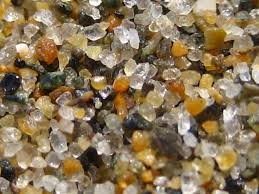
Which of the following is a heterogeneous mixture?
salt water
sugar water
soda
beach sand
Which of the following groups are ALL mixtures?
soil, water, blood, salt
soil, blood, air, salt water
Oxygen, water, air, salt
salt water, coffee, oxygen, sugar
Which of the following is are pure substances?
solutions
compounds
homogeneous mixtures
colloids

An example of...
mixture
element
compound
Pure oxygen is an example of...
element
mixture
compound


Substances formed from atoms of two or more elements are called
mixtures
compounds
colloids
elements
All of the following are elements EXCEPT:
carbon
nitrogen
oxygen
water

The particle diagram shown is a:
pure substance
mixture

The particle diagram shown is a:
pure substance
mixture
Fruit Loops, pizza, and Skittles are examples of ____________________ mixtures.
heterogeneous
homogeneous
pure
Which of the following are examples of MIXTURES?
Paper
Aluminum
Potassium
Which of the following are examples of PURE SUBSTANCES?
Select all that apply!
Sea Water
Pure Gold
Air
C6H12O6
Which of the following are examples of ELEMENTS?
Select all that apply!
H2O
Au
Fe
Trail Mix
Which of the following are examples of COMPOUNDS?
Select all that apply!
H2O
Blood
Fe
C6H12O6
Which of the following are examples of HOMOGENEOUS MIXTURES?
Select all that apply!
Tacos
Air
Steel
Chicken Noodle Soup
Which of the following are examples of HETEROGENEOUS MIXTURES?
Select all that apply!
bucket of Legos
Pizza
Copper
NaCl
Where would you look to check if a substance is an Element?
The Periodic Table of Elements
A calculator
The graffiti on the bathroom walls
The center of a Tootsie Pop
Which of the following are examples of MIXTURES?
Select all that apply!
Chicken Noodle Soup
Oxygen Gas
Pure Gold
Burrito Bowl from Chipotle
Which of the following are examples of HETEROGENEOUS MIXTURES?
Select all that apply!
H2O
Air
Chicken Noodle Soup
Dirt
Which of the following are examples of PURE SUBSTANCES?
Select all that apply!
Lemonade
DIamond
Toothpaste
C6H12O6
Which mixture can easily be separated by Hand/Tweezers


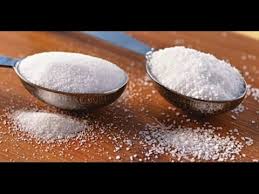
You have a glass of salt and water, what is the best method to separate the salt out of the water?


How to separate salt and water?
Decantation
Filtration
Evaporation
Sieving
How to separate coffee beans and coffee liquid?
Distillation
Filtration
Evaporation
Sieving
How to separate iron filings from flour?
Distillation
Evaporation
Filtration
Magnetic Attraction

