
 Worksheets
homeostasis review
Total questions: 30
Worksheet time: 19mins

Which characteristic of living things is represented in the picture?
Respond to stimuli
Grow and develop
Evolution
Made of cells
Identify the characteristic: When a dog is too hot, he will sweat through his paws and pant to cool himself down.
Reproduce
Made of cells
Share similar chemicals
Homeostasis
An investigation is carried out to determine the effect of exercise on the rate at which a person can squeeze a clothespin.
In this investigation, the independent variable is the
control
exercise
rate of squeezing
number of participants
An investigation is carried out to determine the effect of exercise on the rate at which a person can squeeze a clothespin.
The experimental results could be made more valid by
increasing the number of students
using safety precautions
using a plastic clothespin
making a bar graph of the data
An investigation is carried out to determine the effect of exercise on the rate at which a person can squeeze a clothespin.
The dependent variable for this experiment is the
time the student was squeezing the clothespin
number of times the student was able to squeeze the clothespin
strength of the student
length of the clothespin
What 2 systems: Absorb and deliver the digested nutrients to the cells
Digestive and muscular
Muscular and lymphatic
Digestive and circulatory
Nervous and skeletal
reverses the direction of change
positive feedback
effector
hypothalamus
negative feedback
increases or speeds up original change
negative feedback
positive feedback
endotherm
ectotherm
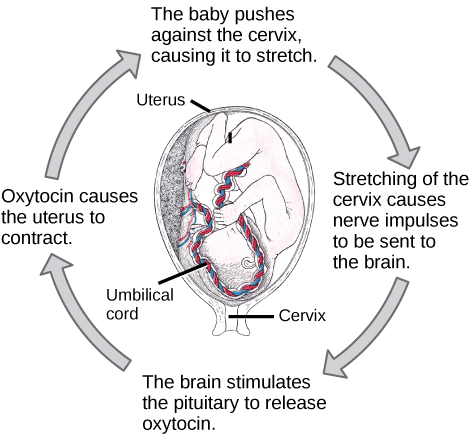
If the calcium in your blood decreases below homeostasis levels, a gland in the brain will sense the decrease and send a chemical message to your bones. Your bones will release calcium into the blood, bringing blood calcium levels back up. This is an example of what type of feedback?
Positive Feedback Response
Negative Feedback Loop
What causes blood glucose levels to rise?
eating
vigorous exercise
sleeping
going to the toilet
What causes blood glucose levels to fall?
eating
vigorous exercise
sleeping
going to the toilet
What do cells need glucose for?
photosynthesis
respiration
protein synthesis
combustion
Which of the following is a hormone used to control glucose concentrations in the blood?
insulin
glycogen
pancreas
adrenaline
What happens to the amount of insulin released if the blood glucose levels get low?
lots more is produced
nothing - low blood glucose has no effect on insulin levels
less / no insulin is produced
The organ which releases hormones in response to changes in blood glucose concentration is
The pancreas
The liver
The organ is responsible for pumping blood throughout your body.
The Brain
The Spine
The Heart
The Lungs
How do hormones get to their target cells?
nerve impulses
floating in the blood stream
electric and chemical signals
respiration
Oxygen and Sugar

