wayground logo

Free Printable Worksheets

Font size

S
M
L
XL
Worksheets

MAP Review Quizizz

Total questions: 92

Worksheet time: 2hrs 31mins
Name
Class
Date
1.
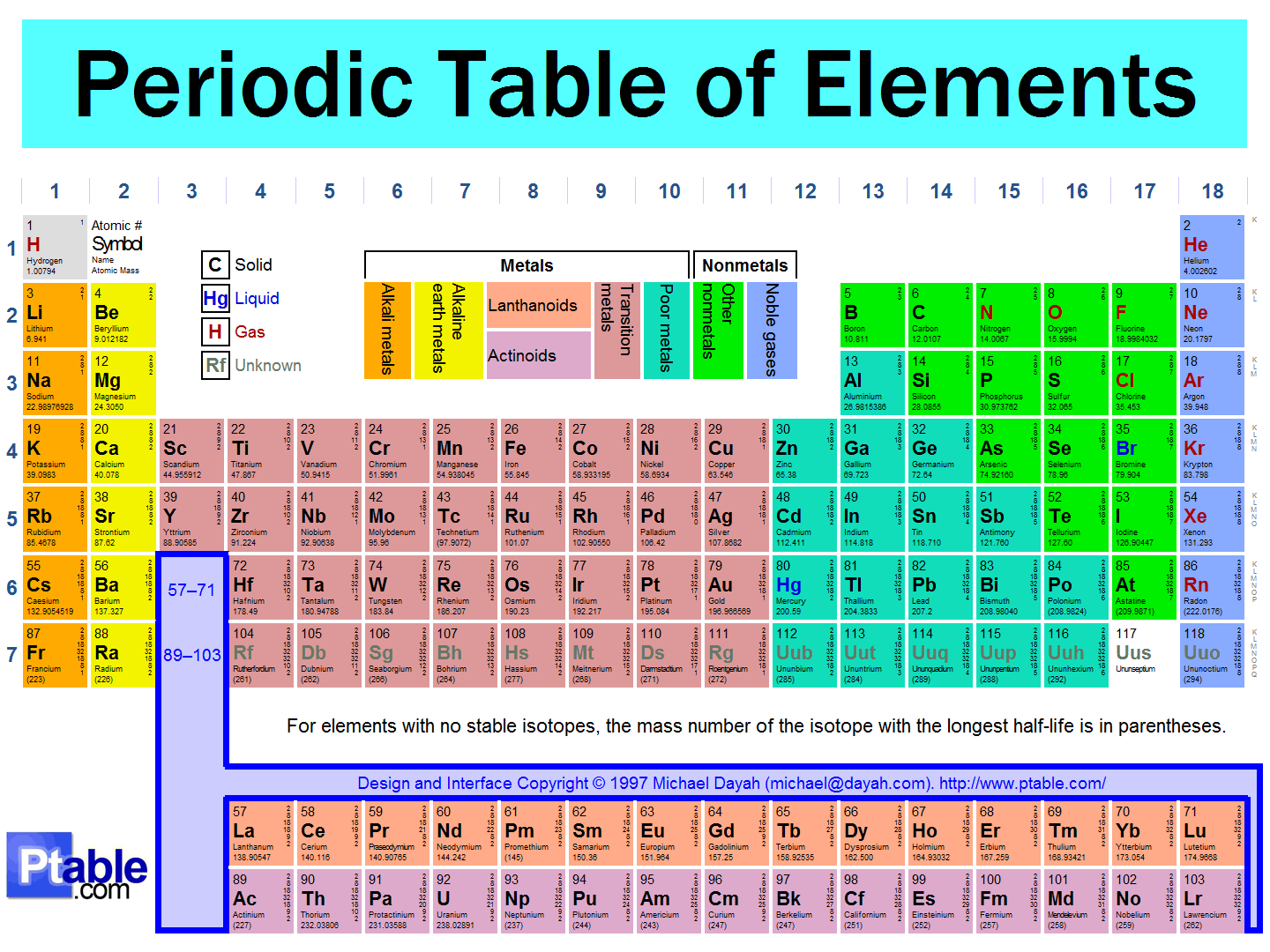
The horizontal row on the periodic table is called a
a)
group
b)
family
c)
period
d)
atomic number
2.
A vertical column is called...
a)
group
b)
tower
c)
period
d)
crew
3.
Which of the following is the most metallic element in period 3?
a)
Boron (B)
b)
Sodium (Na)
c)
Argon (Ar)
d)
Silicon (Si)
4.
Which of these element is the least metallic?
a)
Potassium (K)
b)
Carbon (C)
c)
Sulfur (S)
d)
Neon (Ne)
5.
The number at the bottom of each square on the periodic table is the ...
a)
atomic number
b)
atomic mass
c)
chemical symbol
d)
element name
6.
The number at the top of each square on the periodic table is the ...
a)
atomic number
b)
atomic mass
c)
Chemical Symbol
d)
Element Name
7.
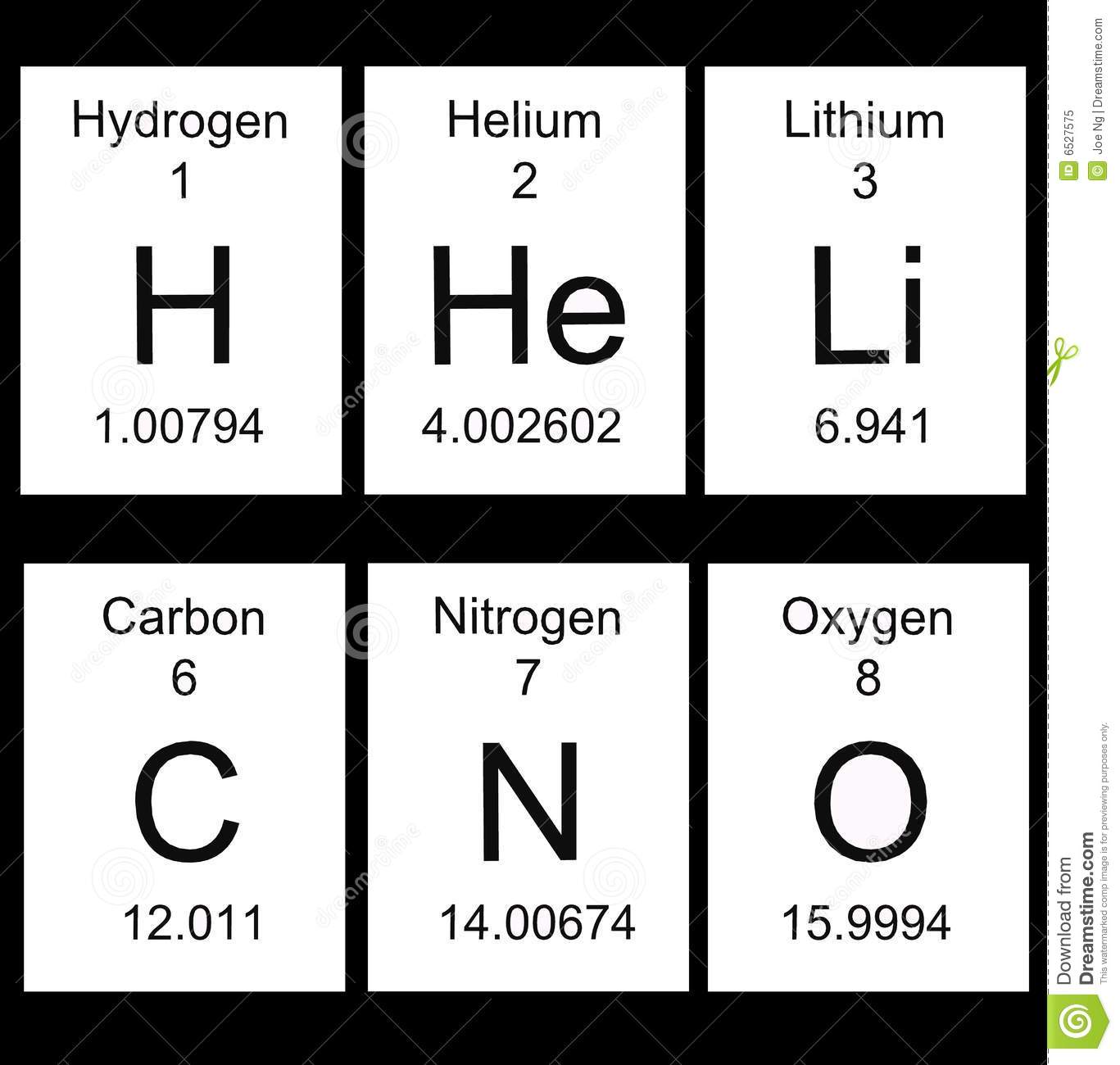
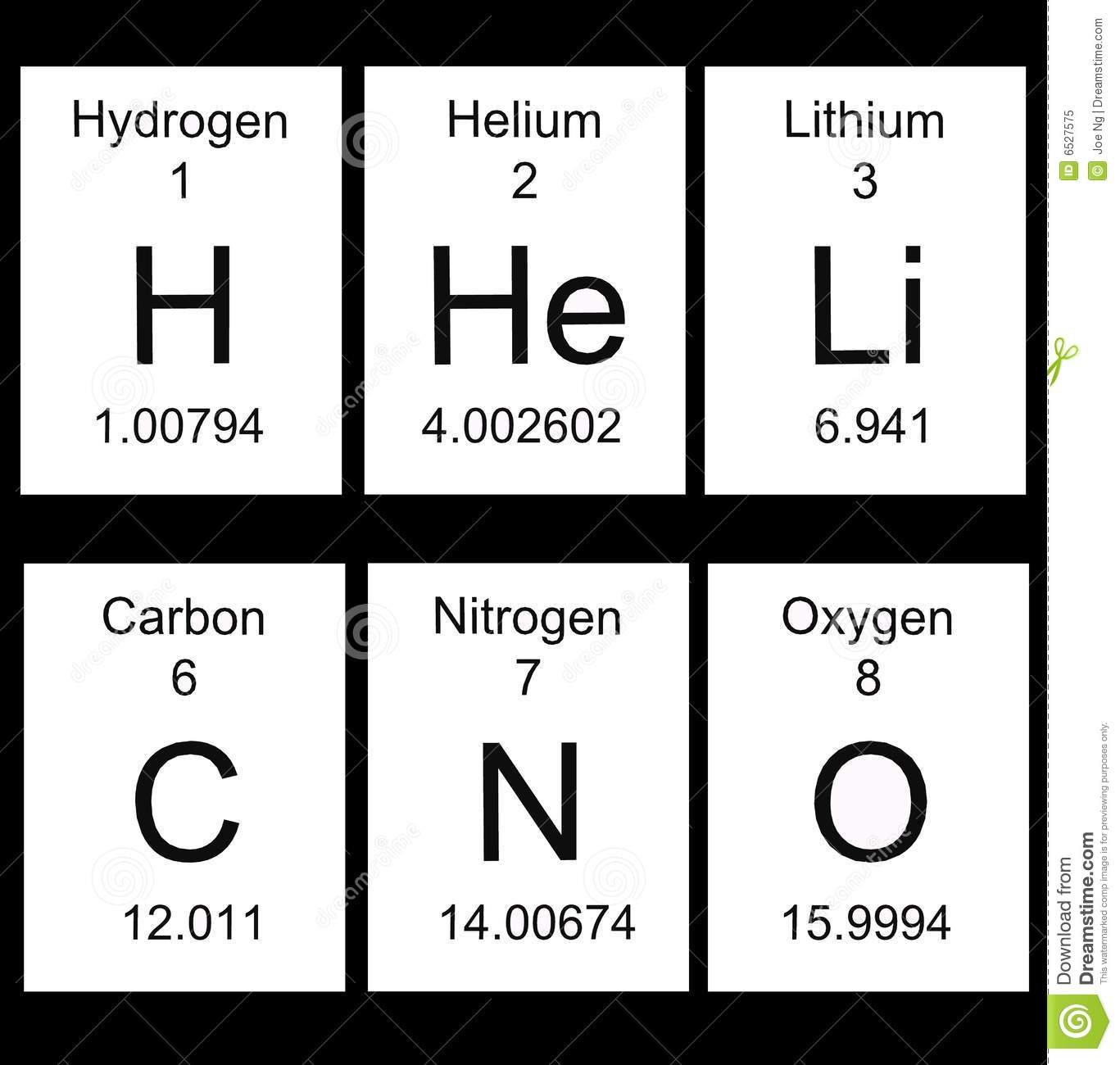
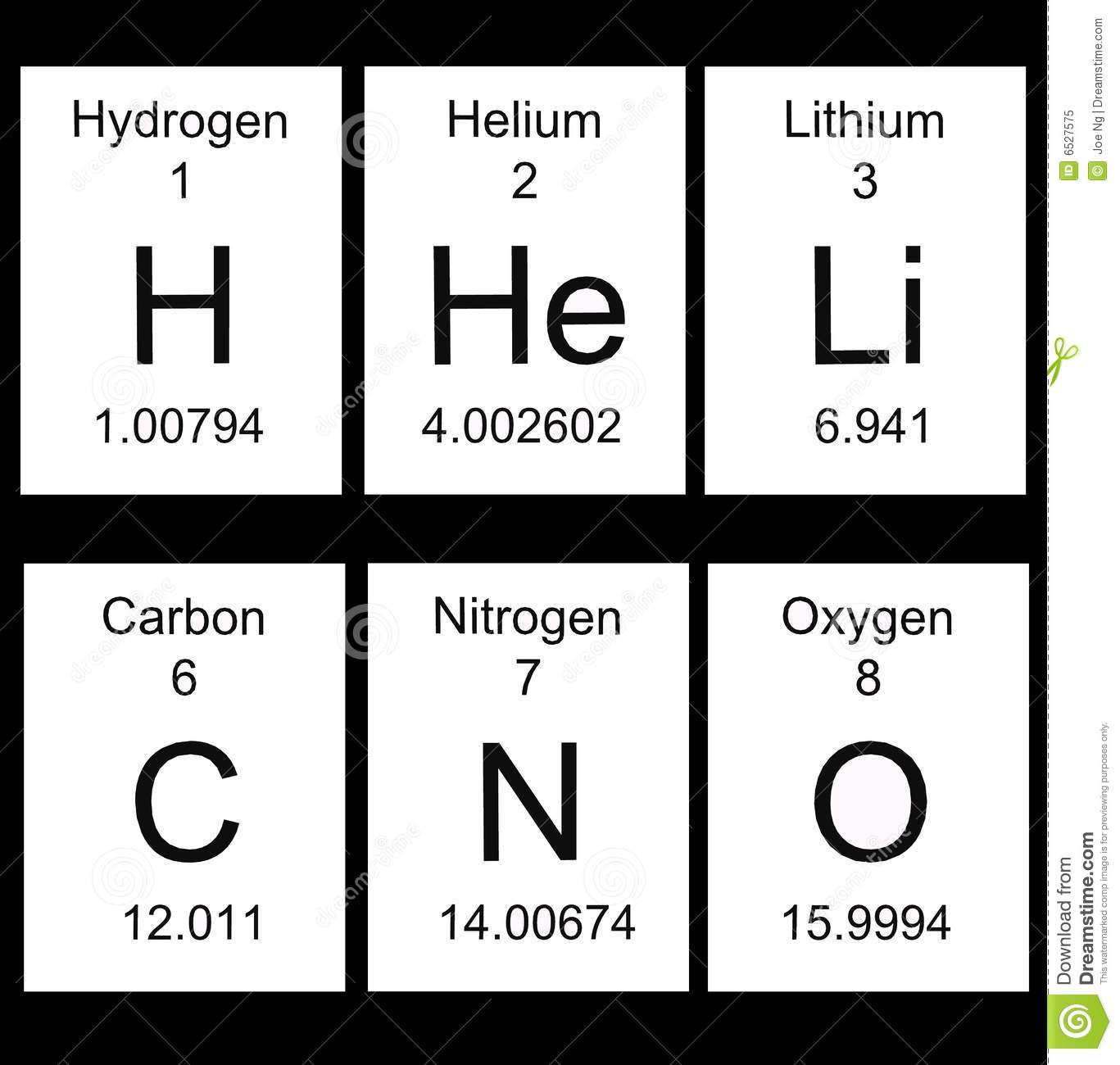
What is the chemical symbol for Lithium?
a)
H
b)
He
c)
Li
d)
N
8.
Pure forms of these elements are stored in oil so they won't react with oxygen and water in the air.
a)
Alkali Metals
b)
Alkaline-earth metals
c)
Halogens
d)
Noble Gases
9.
Most of the elements on the periodic table are classified as _____.
a)
Metals
b)
Nonmetals
c)
Metalloids
d)
Periods
10.

Elements in the same group or column have the same ...

a)

# of valence electrons

b)

# of shells

c)

# of protons

d)

Mass Number

11.
The atomic number tells you what?
a)
number of electrons
b)
number of protons
c)
number of neutrons
d)
both electrons and protons in an atom.
12.
Which group of the periodic table is composed of inert (not reactive)  gases?
a)
alkali metals
b)
alkaline earth metals
c)
halogens
d)
noble gases
13.
Elements which are shiny, conduct electricity and heat are called
a)
metal
b)
nonmetal
c)
metalloid
d)
nonexistent
14.
The atoms along the staircase are called 
a)
metals
b)
nonmetals
c)
metalloids
d)
noble gases
15.
How many protons are in this element?
a)
79
b)
196
c)
117
d)
Cannot be determined
16.
How many electrons does potassium K contain? (click to see image)
a)
19
b)
39
c)
20
d)
40
17.
How many neutrons are in a Gold atom?
a)
79
b)
196
c)
118
d)
275
18.
What element is represented in this Bohr Model? 
a)
Carbon
b)
Hydrogen
c)
Aluminum
d)
Lithium
19.
What's a valence electron?
a)
electrons in the second energy level
b)
electrons in the outermost energy level
c)
the atomic number
d)
electrons in the first level
20.
What element is this?
a)
Helium
b)
Hydrogen
c)
Argon
d)
Silver
21.
?
a)
Lithium
b)
Boron
c)
Carbon
d)
Neon
22.
?
a)
Beryllium
b)
Boron
c)
Barium
d)
Bromine
23.
What identifies the element?
a)
Protons
b)
Neutrons
c)
valence electrons
d)
Nucleus
24.
?
a)
Helium
b)
Oxygen
c)
Sodium
d)
Phosphorous
25.
Why does an apple appear red?
a)
All colors are absorbed & none are reflected
b)
All colors are absorbed except for blue, which is reflected
c)
All colors are reflected and none are absorbed
d)
All colors are absorbed except for red, which is reflected
26.
How does light travel
a)
It curves around corners
b)
Really slow
c)
In a straight line
d)
In circles
27.
Sunlight is
a)
not light at all
b)
red light
c)
yellow light
d)
white light
28.
Which of the following is the best reflector of light?
a)
Lens
b)
Microscope
c)
Mirror
d)
Prism
29.
Objects that reflect ALL colors will appear _____?
a)
Black
b)
White
c)
Gray
d)
Multi-colored
30.
Objects that ABSORB all colors of light will appear _______.
a)
white
b)
black
c)
multi-colored
d)
gray
31.
Which of the following would not reflect light?
a)
Mirror
b)
Water
c)
Glasses
d)
Brick Wall
32.
Which term describes when light bounces off of a smooth surface?  
a)
Refraction
b)
Transmission
c)
Absorption
d)
Reflection
33.
What happens when light hits an object you can see?
a)
The light turns corners.
b)
The light curves around the object.
c)
The object reflects the light.
d)
The light and the object do not form a shadow.
34.
Through what kind of matter does light move fastest?
a)
liquids
b)
air
c)
matter that is lighter in color
d)
matter that is in larger objects 
35.
What happens to blue light when it hits a shirt that appears blue?
a)
The light is reflected.
b)
The light is absorbed.
c)
The light is refracted.
d)
The light is blocked.
36.
What is a property of a transparent object?
a)
Almost all of the light rays that reach it are scattered.
b)
Almost all of the light rays that reach it are absorbed.
c)
Almost all of the light rays that reach it are reflected.
d)
Almost all of the light rays that reach it pass through it.
37.
What is most likely to happen to light that hits an opaque object?
a)
All of the light passes through the object.
b)
None of the light passes through the object.
c)
Most of the light disappears.
d)
Some of the light passes through the object.
38.
Which is transparent?
a)
a wooden fence
b)
clean water
c)
aluminum foil
d)
a purple balloon
39.
If you wanted a gift to be a surprise, what kind of container would you put it in?
a)
transparent
b)
thick
c)
opaque
d)
translucent
40.
What does it mean to refract?
a)
bounce off
b)
to bend
c)
curve outward
d)
reflect
41.
What do all waves have in common?
a)
nothing
b)
they carry energy
c)
they absorb light
d)
you can see them
42.

What do all waves transfer?

a)

Matter

b)

Heat

c)

Electricity

d)

Energy

43.

Which of the following can waves transfer energy through?

a)

solid

b)

liquid

c)

gas

d)

empty space

e)

all of the above

44.

What are the two types of waves?

a)

longitudinal and transverse

b)

sound and light

45.

What is the number of complete waves passing a fixed point in a given amount of time?

a)

Amplitude

b)

Intensity

c)

Wavelength

d)

Frequency

46.

What is the frequency of this wave? You must count the number of complete waves.

a)

1 Hz

b)

5 Hz

c)

10 Hz

47.

Which type of waves have the longest wavelength?

a)

Visible light

b)

Radio waves

c)

X-rays

d)

Gamma-Rays

48.

Shorter wave lengths can carry more energy. Which of these probably carries the MOST energy:

a)

Infrared light

b)

Visible light

c)

X-rays

d)

UV light

49.

What is the distance between the calm sea and the highest wave called?

a)

Wave

b)

Frequency

c)

Amplitude

d)

Magnitude

50.

What does #1 represent?

a)

Period

b)

Frequency

c)

Wavelength

d)

Amplitude

51.

What does #2 represent?

a)

Period

b)

Frequency

c)

Wavelength

d)

Amplitude

52.

Sound is a form of energy produced by ______________.

a)

Vibrations

b)

Distances

c)

Prisms

d)

Forces

53.

Sound waves travel the FASTEST through _____________.

a)

Gases

b)

Liquids

c)

Solids

54.

Why do we see lightning before we hear the thunder?

a)

Our eyes trick us.

b)

Light travels faster than sound.

c)

they're two separate things.

55.
Sound waves move more quickly through _________________ matter
a)
dense
b)
light
56.
Why is sound able to travel faster through a solid than a gas?
a)
Gas molecules are packed tightly.
b)
Sound does not travel faster through a solid than a gas.
c)
Solid molecules are packed tightly.
d)
Gas molecules move slowly.
57.

What state of matter does the picture below represent?

a)

solid

b)

liquid

c)

gas

d)

plasma

58.

What is a Solid?

a)

Matter that has a fixed shape and size.

b)

Matter that has a fixed size and no fixed shape

c)

Matter that has no fixed shape or size

d)

Matter that has no fixed shape and size

59.

The state of matter that keeps its shape and volume when it is placed in a different container is called ______.

a)

gas

b)

liquid

c)

solid

60.

The state of matter that expands to fill its container is called ______.

a)

gas

b)

liquid

c)

solid

61.

Which state of matter has its own shape

a)

Gas

b)

Solid

c)

LIquid

62.

The diagram shows arrangement of particles in a

a)

Solid

b)

Liquid

c)

Gas

63.

Define a liquid.

a)

Matter that has fixed shape but no fixed volume

b)

Matter that has fixed shape and fixed volume

c)

Matter that has fixed volume, but no fixed shape

64.

The particles in the picture are tightly held together with very tiny movement. They have shape and fixed volume. Therefore, the picture represents _________.

a)

solid

b)

liquid

c)

gas

d)

plasma

65.

In which state of matter will there be the LARGEST space between molecules?

a)

Solid

b)

Liquid

c)

Gas

66.

A substance that is formed as the result of a chemical reaction is a __________________

a)

Product

b)

Reactant

c)

Starters

d)

Enders

67.

Which of the following is an example of a chemical change?

a)

water freezes to form ice

b)

sugar dissolves in water

c)

gasoline burns in a car engine

d)

a piece of metal expands when it is heated

68.

A change in the shape of an object is an example of _________________.

a)

a chemical change

b)

energy

c)

an endothermic change

d)

a physical change

69.

Which one shows that a chemical reaction has occurred?

a)

dissolving

b)

melting

c)

formation of a gas

d)

bending

70.

What is the BEST definition of a chemical reaction?

a)

A change in matter that produces one or more NEW substances

b)

When two things combine and EXPLODE.

71.

A substance that takes part in and undergoes change during a reaction

a)

Product

b)

Molecule

c)

Reactant

72.

A chemical reaction or process that absorbs heat from the surroundings

a)

Endothermic

b)

Exothermic

73.

A chemical reaction or process that releases heat.

a)

Endothermic

b)

Exothermic

74.
Which observation(s) might be used as evidence that a chemical reaction occurred?
a)
Color change
b)
Odor change
c)
Properties change
d)
All of the above
75.
_________ is (are) made of more than one atom.
a)
A molecule
b)
Protons
c)
Neutrons
d)
An element
76.
If you start a chemical reaction with 5 atoms of helium, how many atoms will you have after?
a)
4 atoms
b)
10 atoms
c)
1 atom
d)
5 atoms
77.

What is Energy?

a)

The ability to do anything

b)

The ability to cause change

c)

The investigation of nature

d)

A fact of life

78.

What is an example of kinetic energy?

a)

A bird sitting in a tree

b)

A bouncy ball on the table

c)

A car driving on the highway

d)

A book on shelf

79.

What is an example of potential energy?

a)

A bowling ball rolling down a lane

b)

A car parked in a lot

c)

An apple falling from a tree

d)

Sunlight heating up the atmosphere

80.

Which has more potential energy?

a)

A bird in a tree

b)

A car in the garage

c)

An airplane before takeoff

d)

A child on a swing

81.

How could you find the kinetic energy of an object?

a)

Multiply the mass and speed of the object

b)

Subtract the mass and speed of the object

c)

Estimate the speed of the object

d)

You cannot find the speed of moving objects

82.

Which has more potential energy?

a)

A 1,500 kg car traveling 20m/s

b)

A 200 kg bus traveling 100m/s

c)

A 300,000 kg plane traveling 0m/s

d)

A 20 kg ball rolling 40 m/s

83.

What is the definition of friction?

a)

A force that resists the sliding of two objects that are touching

b)

A force that increases sliding between two objects

c)

The change from potential to kinetic energy

d)

A transformation from radiant to mechanical energy

84.

Which of the following show a change from kinetic energy to potential energy?

a)

A sled sliding up a hill

b)

A ball that is thrown into the air

c)

A car driving down a hill

d)

A rubber band being stretched

85.

What transformation occurs in a toaster?

a)

Electrical to radiant

b)

Electrical to thermal

c)

Thermal to mechanical

d)

Solar to electrical

86.

What type of energy transformation occurs when a piece of wood burns?

a)

Electrical energy is released as radiant energy

b)

Stored chemical energy is released as thermal energy

c)

Mechanical energy is stored as chemical energy

d)

No transformation occurs

87.

What is the equation for kinetic energy?

a)

KE = Mass (g) * Speed (m/s)

b)

KE = Speed (m/s) + height (m)

c)

KE = Distance (m) / time (s)

d)

KE = Mass (g) * gravity * height (m)

88.
Energy due to motion is ____________ energy. 
a)
Potential 
b)
Energy
c)
Kinetic
d)
Friction
89.
The faster an object moves, the ________ kinetic energy it has. 
a)
more
b)
less
c)
none of the above
d)
all of the above 
90.
__________ is stored energy. 
a)
Potential
b)
Kinetic
c)
None of the above 
d)
All of the above 
91.
Gravitational potential energy depends on the ________ and ________ of the object. 
a)
Height and mass
b)
Friction and movement
c)
Mass and Movement
d)
Height and Friction 
92.
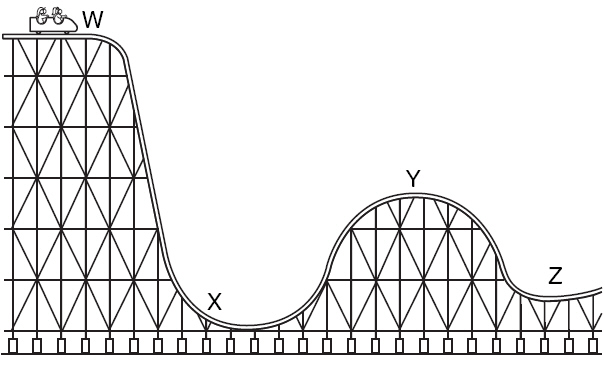
At which point is potential energy greatest?
a)
W
b)
X
c)
Y
d)
Z