
 Worksheets
Earth Day Knowledge
Total questions: 63
Worksheet time: 2hrs 6mins

Is this good for us?
yes
no

Is this good for us?
yes
no

Is this good for us?
yes
no

Is this good for us?
yes
no
What does the word conserve mean?
protect from harm or overuse.
make smaller or less.
a community of living organisms.
to use again.
What does the word pollute mean?
protect from harm or overuse.
a layer that protects us from the sun’s harmful rays.
to make water, land and air dirty.
to change waste into something useful.
What does the word recycle mean?
the area around a person, animal, or plant.
to keep from harm.
make smaller or less.
to change waste into something useful.
What does the word reduce mean?
the study of organisms and their surroundings.
a community of living organisms.
make smaller or less.
to keep from harm.
What does the word reuse mean?
a community of living organisms.
the study of organisms and their surroundings.
a layer that protects us from the sun’s harmful rays.
to use again.
What does the word environment mean?
the area around a person, animal, or plant.
to make water, land and air dirty.
a community of living organisms.
to keep from harm.
What does the word protect mean?
the area around a person, animal, or plant.
to keep from harm.
to change waste into something useful.
to make water, land and air dirty.
Students are asked to complete a research
project on climate change. Which of the following
is the best set of data to use in the report?
the average temperatures of two cities in North
America for 20 years
Earth's average temperatures since the year
1800
a classroom log of temperatures since
September
day and night temperatures over the Atlantic
Ocean for 10 years

What does this symbol mean?
Preduce, Peruse and Precycle
Deduce, Deuse and Decycle
Reduce, Reuse and Recycle

We should ___________.
cut down trees.
recycle
plant trees

Keeping the water running while you brush your teeth wastes a lot of water
True
False

What verb is this?
Save
Have
Recycle
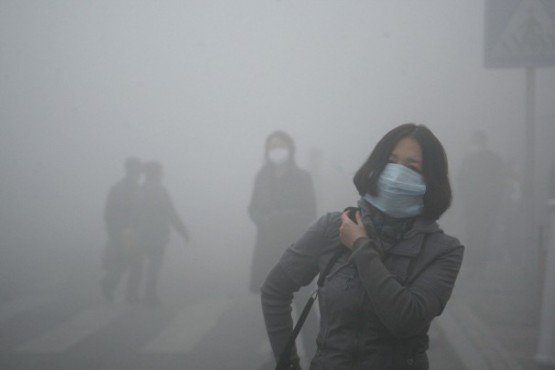
True/False: Dumping trash into the water is harmful to the environment.
False
True
Which of these are types of pollution?
water pollution
noise pollution
wind pollution
land pollution
Plastic, paper and glass can all be recycled.
true
false

What type of pollution is this?
Visual
Air
Noise
Water
Which picture shows the meaning to RISE?


Ice at the poles of the earth are.....
rising
producing more ice
getting colder
melting
If sea levels rise, places will
become dry
flood
get hotter
reduce ice
To reduce your carbon footprint, you should eat food that is....
grown in other countries
at Burger King
yummy
grown locally

air pollution
water pollution
noise pollution

air pollution
water pollution
noise pollution

Don't............ trees.
cut down
plant
water

Don't throw ........... around.
trees
devices
rubbish

Unplug the ................
energy
waste
electrical devices

............ batteries
Damage
Recycle
Save

.............. the carbon dioxide in the atmosphere.
Reduce
Recycle
Reuse

Don't .............. water.
throw
plant
waste

Turn off the .............
lights
trees
water

......... your garbage.
Save
Waste
Pick up

.................. trees.
Cut down
Plant
Recycle

Use .....................................
solar energy
public transportation
baterries

Choose the correct option for the picture.
sea pollution
air pollution
water pollution
noise pollution

These are .......
pots
wrappers
cans
bottles

We should ______________ plastic, glass and paper to protect our environment.
waste
protect
reduce
recycle
Susan is environmentally friendly. She always _________ .
wastes water
harms animals
saves energy
drives to work

Use less water if you want to __________ the environment.
waste
protect
reduce
harm

What is he doing?
He is replacing windows.
He is replacing lightbulbs.
He is replacing doors.
He is replacing balls.

What is he doing?
She is picking up trash.
He is picking up trash.
He is picking up notebooks.
He is picking up balls.

T - R - S - A - H
(a)

P- A-L-N-T-E
(a)

C-T-U (a) D- W-O-N

R-E-C-C-Y-L -E
(a)

R-D-E-U-C-E
(a)

A-R-I
P-L-L-O-U-T-I-N-O
(a)
WHAT SHOULD WE DO PROTECT THE ENVIRONMENT?
We should plant more trees.
We should harm animals.
We should destroy forests.
We should recycle rubbish.
We shouldn't turn off the lights.
Is it TRUE or FALSE?
TRUE
FALSE

