wayground logo

Free Printable Worksheets

Font size

S
M
L
XL
Worksheets

Science Final Review 2022

Total questions: 194

Worksheet time: 11hrs 4mins

Name
Class
Date
1.

How did Mendeleev arrange the elements?

a)

alphabetically by element name

b)

density

c)

atomic number

d)

atomic mass

2.

Which group of the periodic table is composed of inert (unreactive) gases?

a)

alkali metals

b)

alkaline earth metals

c)

halogens

d)

noble gases

3.

Which element is not a metal?

a)

Hg

b)

Rh

c)

Al

d)

B

4.

Which is a halogen?

a)

Helium

b)

Chlorine

c)

Oxygen

d)

Niobium

5.

Which is an alkali metal?

a)

Magnesium

b)

Iron

c)

Sodium

d)

Europium

6.

A horizontal row of elements in the periodic table is called:

a)

column

b)

group

c)

period

d)

family

7.

A vertical column in the periodic table is called:

a)

row

b)

group

c)

period

d)

table

8.

In the modern periodic table elements are arranged by:

a)

valence electrons

b)

atomic number

c)

alphabetical order

d)

atomic mass

9.

The majority of elements on the periodic table are:

a)

radioactive.

b)

nonmetals.

c)

metals.

d)

gases.

10.

What period and group is arsenic?

a)

Period 3, Group 14

b)

Period 3, Group 15

c)

Period 4, Group 15

d)

Period 4, Group 14

11.

Metalloids are typically described as:

a)

the same as nonmetals

b)

the same as metals

c)

having characteristics of metals and nonmetals

d)

radioactive

12.
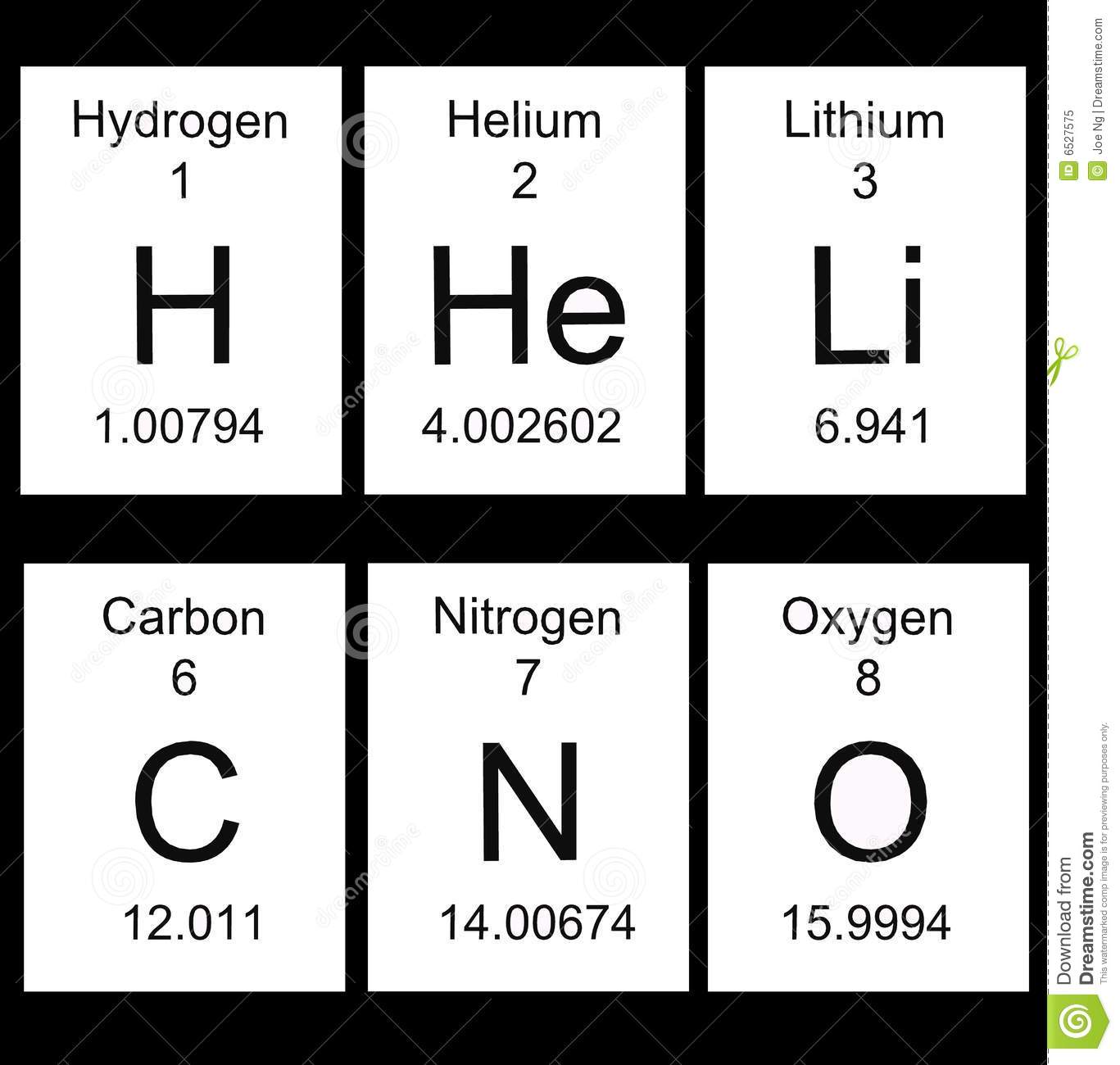
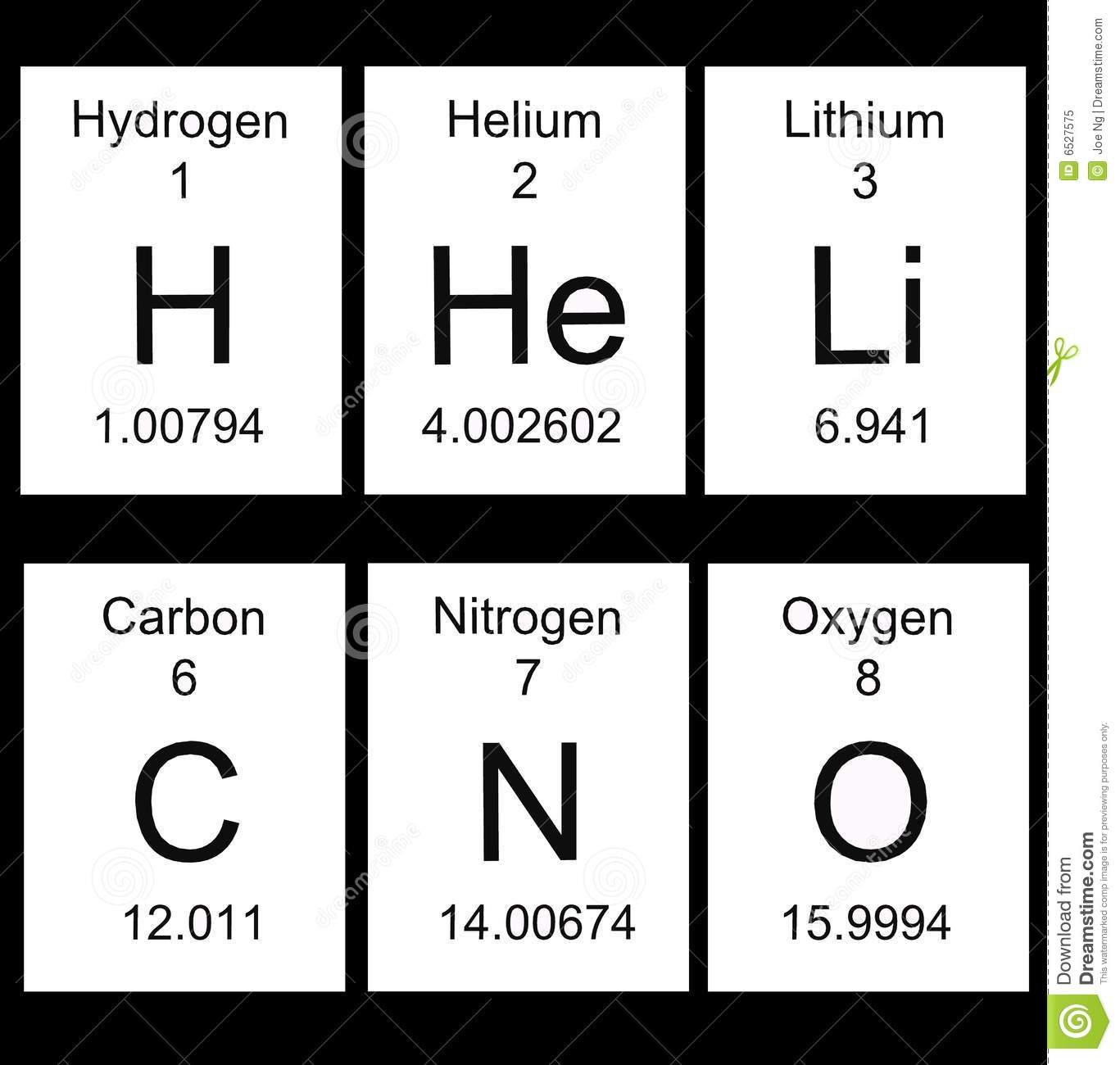
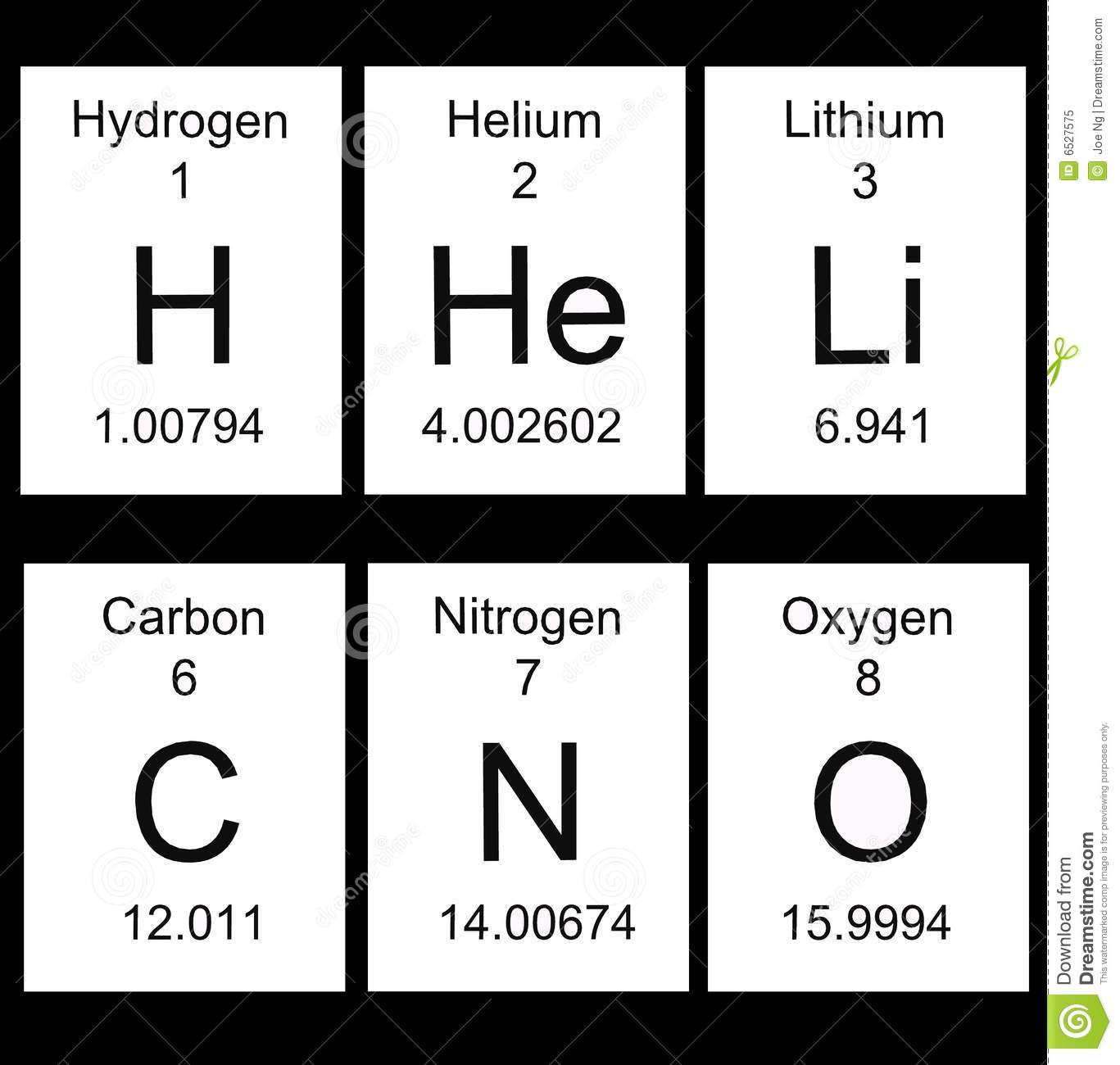
The number at the bottom of each square on the periodic table is the ...
a)
atomic number
b)
atomic mass
c)
chemical symbol
d)
element name
13.
The number at the top of each square on the periodic table is the ...
a)
atomic number
b)
atomic mass
c)
Chemical Symbol
d)
Element Name
14.
What is the chemical symbol for Lithium?
a)
H
b)
He
c)
Li
d)
N
15.
How many elements follow the periodic law?
a)
7
b)
98
c)
110
d)
All of them
16.

atomic number

a)

gas at room temperature, low boiling point

b)

a subatomic particle that has a negative charge

c)

number or protons and neutrons

d)

the number of protons in the nucleus of an atom

17.

neutron

a)

A subatomic particle that has a positive charge and that is found in the nucleus of an atom

b)

not able to conduct heat or electricity, little to no metallic luster

c)

A subatomic particle that has a negative charge

d)

A small particle in the nucleus of the atom, with no electrical charge

18.

A subatomic particle that has a positive charge and that is found in the nucleus of an atom

a)

Proton

b)

elecrtron

c)

groups

d)

neutrons

19.

A subatomic particle that has a negative charge

a)

nobles gases

b)

protons

c)

electrons

d)

neutrons

20.

Number of protons and neutrons

a)

atomic number

b)

atomic mass

c)

noble gases

d)

Non-metals

21.
How many neutrons does an element have with the atomic number of 36?
a)
36
b)
84
c)
48
d)
18
22.
What is the atomic number for an element with three protons?
a)
2
b)
1
c)
3
d)
6
23.

An atom with atomic number 6 would have how many neutrons?

a)

6

b)

12

c)

3

d)

cannot be determined

24.

How many electrons does an atom of Krypton have?

a)

36

b)

83.80

c)

48

d)

119.80

25.

How many electrons does a Copper atom have?

a)

63

b)

29

c)

92

d)

34

26.

What is the atomic mass of Neon?

a)

10

b)

20.18

c)

10.18

d)

30.18

27.

Typically in an atom, which two subatomic particles are equal in number?

a)

protons and neutrons

b)

all subatomic particles are equal in number

c)

neutrons and electrons

d)

protons and electrons

28.

The nucleus of an atom contains which subatomic particles?

a)

protons and electrons

b)

protons and neutrons

c)

electrons and neutrons

d)

protons, electrons, and neutrons

29.

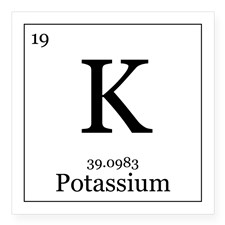
How many neutron are in the atom "K"?

a)

29

b)

19

c)

58

d)

20

30.
How many protons are in Zirconium (Zr) ?
a)
40
b)
91
c)
30
d)
65
31.
Which of the following is an example of an IONIC COMPOUND?
a)
NaCl
b)
H2O
c)
CO2
d)
NO
32.
Which of the following is an example of a COVALENT COMPOUND?
a)
H2S
b)
KI
c)
CaCl2
d)
MgO
33.
Give the formula for oxygen dichloride
a)
OCl2
b)

O2Cl2

c)
OCl
d)
O2Cl
34.
Name the following compound: FeCl3
a)
iron chloride
b)
iron III chloride
c)
iron chlorate
d)
iron III chlorate
35.
Give the formula for phosphorus trifluoride
a)
P3F
b)
PF
c)
PF3
d)
P3F3
36.
The proper formula for magnesium hydroxide:
a)
MgOH
b)
Mg2OH
c)
Mg(OH)2
d)
Mg2OH2
37.
What is the formula for manganese(III) oxide?
a)
MgO
b)
Mg2O3
c)
MnO
d)
Mn2O3
38.
The name of the compound Ca3(PO4)2
a)
calcium phosphate
b)
tricalcium diphosphate
c)
calcium phosphorus oxide
d)
calcium phosphide
39.
The chemical formula of Iron (III)bromide is
a)
FeBr
b)
Fe(III)Br
c)
FeBr₃
d)
Fe₂Br₃
40.
What is the name of Al(NO3)3?
a)
Aluminum trinitrate
b)
Monoaluminum nitrate
c)
Aluminum (III) nitrate
d)
Aluminum Nitrate
41.

What is the formula for: tin (II) bromide

a)

SnBr2

b)

SnBr

c)

Sn2Br

d)

TiBr2

e)

None of these.

42.

What will be the compound name of the following chemical formula?

NaCl

a)

Potassium chloride

b)

Sodium chloride

c)

Calcium chloride

d)

Sodium chlorine

43.

Which is the correct name for CaBr2?

a)

Calcium bromine

b)

Bromine calcium

c)

Calcium bromide

d)

Carbon and bromine

44.
What is the formula of Sodium oxide?
a)
Na2O
b)
NaO2
c)
Na2O2
d)
Na2O
45.
What is the formula of calcium oxide?
a)
CaO2
b)
CaO
c)
Ca2O
d)
CO
46.
Atoms that lose electrons become...
a)
negatively charged
b)
postively charged
c)
remain neutral, no charge
d)
losers
47.
Atoms that gain electrons become...
a)
negatively charged
b)
positively charged
c)
remain neutrally charged
d)
21
48.
What is the proper name for S2O2?
a)
Sulfur oxide
b)
Sulfur dioxide
c)
sulfur (II) oxide
d)
disulfur dioxide
49.

What is the correct chemical formula for Nitrogen triiodide?

a)

NI3

b)

N3I3

c)

NOI

d)

NeI3

50.

What is the correct name for NO?

a)

Mononitrogen monoxide

b)

Nitrogen monoxide

c)

Mononitrogen dioxide

d)

Nitrogen oxide

51.

What is the correct name for C4H6?

a)

Carbon hexahydride

b)

Pentacarbon pentahydride

c)

Hexacarbon tetrahydride

d)

Tetracarbon hexahydride

52.

What is the formula for Tricarbon octahydride?

a)

Ca3O

b)

C2H8

c)

C3H8

d)

Ca3H8

53.

What is Sulfur trichloride?

a)

SCl3

b)

SiCl3

c)

SCl4

d)

Si3Cl

54.
What is the name of CO
a)
Carbon oxide
b)
Carbon dioxide
c)
Carbon monoxide
d)
Carbon II oxide
55.
What is the chemical formula for Fluorine trisulfide ?
a)
S3F
b)
FS3
c)
FS
d)
none of the above
56.
What is the formula for magnesium phosphide?
a)
Mg3P2
b)
Mg2P3
c)
Mg2(PO4)3
d)
Mg3(PO4)2
57.
Write the formula for barium + nitrogen
a)
Ba2N3
b)
Ba3N2
c)
BaN
d)
BaN3
58.
The chemical formula of potassium iodide is
a)
KI
b)
PI
c)
KI₂
d)
K₂I
59.
What is the formula for lithium oxide?
a)
LiO
b)
LiO2
c)
Li2O
d)
Li2O3
60.
What is the formula for calcium chloride
a)
CaCl
b)
CaCl2
c)
Ca2Cl
d)
CaCl3
61.
Potassium and Oxygen form ?
a)
PO
b)
KO
c)
K2O
d)
KO2
62.
Barium and Selenium form ?
a)
BaSe
b)
Ba2Se
c)
Ba2Se2
d)
BaSe2
63.
Write the correct chemical formula for Ag  and  Br -
a)
AgBr
b)
silver bromide
c)
Ag2Br2
d)
gold bromide
64.
A negatively-charged ion.
a)
atom
b)
cation
c)
anion
d)
electron
65.
Cations are
a)
positive
b)
negative
c)
on the right side of the periodic table.
d)
nonmetals
66.
+  and  N-3
a)
KN
b)
KN3
c)
K3N3
d)
K3N
67.
Which of the following will form an ion with a 2- charge?
a)
Ca
b)
Se
c)
Ge
d)
N
68.
What charge does a calcium (Ca) ion have?
a)
+1
b)
+2
c)
+3
d)
+4
69.
What is the chemical name for the compound with the formula Na₂S?
a)
sodium sulfide
b)
sodium fluoride
c)
magnesium sulfide
d)
lithium oxide
70.
The correct name for the compound between sodium and sulfur is
a)
sodium sulfuride
b)
sodiumide sulfuride
c)
sodium sulfide
d)
sodium(I) sulfide
71.
The formula for iron(III) oxide is
a)
FeO
b)
Fe3O
c)
Fe2O3
d)
Fe3O2
72.
What is the name of Li3P?
a)
Lithium potassium
b)
Lithium III Phosophide
c)
Lithium3 Phosphide
d)
Lithium Phosphide
73.
Carbon dioxide
a)
C2O2
b)
C20
c)
CO
d)
CO2
74.
Phosphorous trichloride
a)
PCl3
b)
P3Cl
c)
P3Cl3
d)
PCL
75.
Bromine monoflouride
a)
Br1F1
b)
BrF
c)
Br2F
d)
BrF2
76.
P2O5
a)
Phosphorus Oxide
b)
Pentaphosphorus Dioxide
c)
Diphosphorous pentoxide
d)
Phosphoric Oxygen
77.
SeF4
a)
Tetraselenium fluoride
b)
Selenium Fluoride
c)
Selenium tetraflouride
d)
Selenium (IV) Fluoride
78.
As4O10
a)
arsenic oxide
b)
quadarsenic decoxide
c)
tetraarsenic decoxide
d)
arsenic decoxide
79.
chlorine monoxide
a)
ClO
b)
ClO-
c)
ClO2
d)
CO
80.
Which of these is covalent?
a)
NaCl
b)
Pb(NO3)2
c)
CO2
d)
AlCl3
81.
P3F4
a)
Phosphorous fluoride
b)
Triphosphorous tetrafluoride
c)
Phosphate Fluoride
d)
Trifluoride hexafluoride
82.
BrP
a)
Bromide phosphide
b)
Bromide phosphate
c)
Monobromide monophosphide
d)
Bromide monophosphide
83.
Tribromine nonoxide
a)
Br3O9
b)
Br3O10
c)
Br3O6
d)
Br3O4
84.
Dihydrogen monoxide
a)
H3O2
b)
H8O3
c)
H2O
d)
HO2
85.
What does the Law of Conservation of Mass state?
a)
Matter cannot be gained or lost in a chemical reaction.
b)
Matter can only be lost in a chemical reaction.
c)
Matter can only be gained in a chemical reaction.
d)
Matter can be gained and lost in a chemical reaction. 
86.
What is the left part of a chemical equation called?
2H2 + O2 --> 2H2O
a)
Reactants
b)
Products 
c)
Yields 
d)
Chemical Equation 
87.
What is the right part of a chemical equation called...
2H2 + O2 --> 2H2O
a)
Reactants
b)
Products 
c)
Yields 
d)
Chemical Equation 
88.
What is the number before a chemical formula called?
Ex: 2H2 + O2 --> 2H2O
a)
Coefficient
b)
Subscript
c)
Atom
d)
Equation
89.
What is the little number after an element in a chemical equation called.
Example: H2
a)
Coefficient 
b)
Subscript
c)
Atom
d)
Equation
90.
How many atoms of carbon (C) are in C6H12O6?
a)
3
b)
6
c)
12
d)
24
91.

How many Sodium (Na) are in 6NaCl?

a)

1

b)

12

c)

6

d)

0

92.
How many O's are in Al₂(SO₄)₃
a)
4
b)
12
c)
7
d)
24
93.
How many Hydrogen are in 4H2O?
a)
6
b)
8
c)
2
d)
4
94.
Number of H in 3(NH₄)₂CrO₄
a)
4
b)
2
c)
8
d)
24
95.
Which of the following shows the correct way to balance the chemical equation?
Fe + O2 -> Fe2O3
a)
4Fe + 3O2 -> 2Fe2O3
b)
2 Fe + 3O2 -> Fe2O6
c)
4 Fe + O6 -> 2Fe2O3
d)
None of the options are correctly balanced.
96.
Which of the following reactions is balanced?
a)
2CH4 + O2 -> CO2 + H2O
b)
CH4 + 2O2 -> CO2 + H2O
c)
CH4 + 2O2 -> CO2 + 2H2O
d)
None of the chemical equations are balanced.
97.
How many HCl molecules do you need to balance this equation? 
Mg +  __HCl --->  MgCl2 + H2
a)
1
b)
2
c)
3
d)
4
98.
Balance this equation.
_CF+ _Br-- _CBr+ _F2
a)
2,1,2,1
b)
1,2,2,1
c)
1,2,1,2
d)
2,2,2,2
99.
Which coefficients balance this equation:
NH3  +  O2 ---->   NO  + H2O
a)
2,3,5,6
b)
5,5,4,6
c)
4,6,4,5
d)
4,5,4,6
100.
Balance this equation.
_CH4 + _O--> _CO+ _H2O
a)
1,2,1,1
b)
2,1,2,1
c)
1,2,1,2
d)
0,2,0,2
101.
Balance this equation
_Al +_HCl --> _H+_AlCl3
a)
2, 6, 3, 2
b)
it is already balanced
c)
4, 12, 3, 4
d)
2, 1, 4, 5
102.
Balance this equation.
_SnO+_H2-->_Sn +_H2O
a)
1,1,2,1
b)
1,2,1,1
c)
1,2,1,2
d)
1,2,2,1
103.

CO + ___H2 --> CH4 + H2O

a)

1

b)

2

c)

3

d)

4

104.

2NaCl + CaO --> ___Na2O + CaCl2

a)

1

b)

2

c)

3

d)

4

105.

___AlBr3 + 3Cl2 --> 2AlCl3 + 3Br2

a)

1

b)

2

c)

3

d)

4

106.

2Al + ___Cl2 --> 2AlCl3

a)

1

b)

2

c)

3

d)

4

107.

___Pb + S --> PbS + Pb

a)

1

b)

2

c)

3

d)

4

108.

C2H5OH + ___O2 --> 2CO2 + 3H2O

a)

1

b)

2

c)

3

d)

4

109.

2KClO3 --> ___KCl + 3O2

a)

1

b)

2

c)

3

d)

4

110.

2NaN3 --> 2Na + ___N2

a)

1

b)

2

c)

3

d)

4

111.

2NH3 + 3CuO --> N2 + ___Cu + 3H2O

a)

1

b)

2

c)

3

d)

4

112.
Balance this equation:
____ P+ ____ O---> ____ P2O3
a)
it is already balanced
b)
2, 1, 3
c)
1, 2, 3
d)
1, 3, 2
113.
Balance this equation:
____ CF+ ____ Br---> ____ CBr+ ____ F2
a)
2,1,2,1
b)
1,2,2,1
c)
1,2,1,2
d)
2,2,2,2
114.
Balance this equation:
____ Al +____ HCl ---> ____ H+ ____ AlCl3
a)
2, 6, 3, 2
b)
it is already balanced
c)
4, 12, 3, 4
d)
2, 1, 4, 5
115.
Balance this equation:
____ SeCl+ ____ O---> ____ SeO+ ____ Cl2
a)
1,2,1,2
b)
1,1,1,3
c)
1,2,1,1
d)
2,1,1,1
116.
Balance this equation:
____ Pb(OH)2 + ____ HCl --->____ H2O + ____ PbCl2
a)
1,2,2,1
b)
1,1,1,1
c)
2,4,4,1
d)
1,2,1,1
117.
Balance this equation:
____ K + ____ Cl2 --->____ KCl
a)
1,1,1
b)
1,1,2
c)
2,1,2
d)
2,2,4
118.
Balance this equation:
____ SO2 + ____ Li2Se --->____ SSe2 + ____ Li2O
a)
1,2,1,2
b)
1,4,1,4
c)
1,1,1,1
d)
1,3,1,4
119.
Balance this equation:
____ AgNO3 + ____ Cu ---> ____ Cu(NO3)2 + ____ Ag
a)
4,2,1,2
b)
1,1,1,1
c)
1,2,1,2
d)
2,1,1,2
120.

In which phase does the cell spend most of it's life?

a)

Interphase

b)

Anaphase

c)

Telophase

d)

Mitosis

121.

Which of the following is NOT occuring during interphase?

a)

Cell growth

b)

DNA being copied

c)

Organelles being replicated

d)

Two new cells are made

122.
Which phase comes NEXT?
a)
prophase
b)
metaphase
c)
anaphase
d)
telophase
123.

Before cells can divide, what must be copied?

a)

centromere

b)

cytoplasm

c)

DNA

d)

nucleus

124.
Name the previous phase.
a)
Prophase
b)
Metaphase
c)
Anaphase
d)
Telophase
125.

What are the "X" shaped things in the drawing?

a)

Centromeres

b)

Chromosomes

c)

Chromatin

d)

Spindle fibers

126.

During what phase of Mitosis do the chromosomes line up in the Middle?

a)

Metaphase

b)

Prophase

c)

Telophase

d)

Anaphase

127.

PMAT helps us remember the correct order of the phases of Mitosis. Which of the following has the phases of Mitosis in the correct Order

a)

Interphase, Mitosis, Cytokinesis

b)

Prophase, Metaphase, Anaphase, Prophase

c)

Anaphase, Telophase, Prophase, Telophase

d)

Prophase, Metaphase, Anaphase, Telophase

128.

In which phase of Mitosis do the Chromosomes pull away from each other?

a)

Metaphase

b)

Prophase

c)

Anaphase

d)

Telophase

129.

What is the purpose of Mitosis?

a)

Growth of an organism and repair of damaged tissue

b)

To help the body get rid of extra cells

c)

To destroy damaged cells

d)

To get rid of the nucleus

130.

How many chromosomes do most human cells have?

a)

2

b)

46

c)

92

d)

Identical to your age

131.
a)
Prophase
b)
Interphase
c)
Anaphase
d)
Telophase
132.
a)
Anaphase
b)
Cytokinesis
c)
Telophase
d)
Metaphase
133.
a)
Cytokinesis
b)
Interphase
c)
Anaphase
d)
Metaphase
134.
a)
Anaphase
b)
Cytonkinesis
c)
Interphase
d)
Prophase
135.
a)
Cytokinesis
b)
Anaphase
c)
Telophase
d)
Prophase
136.

Chromosomes condense from long strands into rod like structures.

a)

Prophase

b)

Interphase

c)

Metaphase

d)

Cytokinesis

137.

A chromatid is attached to a spindle fiber by the

a)

centriole

b)

chromatin

c)

centromere

d)

chromosome

138.

The structures that hold together sister chromatids

a)

centrioles

b)

chromosomes

c)

spindle fibers

d)

centromeres

139.

the two halves of the doubled chromosome structure

a)

centromeres

b)

sister chromatids

c)

spindle fibers

d)

centrioles

140.
In mitosis, the two resulting cells are
a)
different from the starting cell and identical to each other.
b)
different from the starting cell and different from each other.
c)
identical to the starting cell and different from each other.
d)
identical to the starting cell and identical to each other.
141.

What is the name of the structure labeled X?

a)

Centriole

b)

Centromere

c)

Chromatid

d)

Chromosome

142.

What is the correct order of a FULL CELL CYCLE?

a)

Interphase, Prophase, Metaphase, Anaphase, Telophase, Cytokinesis

b)

Interphase, Prophase, Metaphase, Anaphase, Telophase

c)

Interphase, Metaphase, Anaphase, Telophase, Prophase

d)

Prophase, Metaphase, Anaphase, Telophase

143.

What is the division/separation of cytoplasm called?

a)

chromosomes

b)

mitosis

c)

cytokinesis

d)

cancer

144.

If cells spent more time in the phases of mitosis than in interphase, what would happen?

a)

Cells would constantly keep dividing which leads to cancer.

b)

Cells would constantly keep dividing and we would stop growing.

c)

Cells would stop dividing which leads to cancer.

d)

Nothing.

145.
The result of meiosis is:
a)
two diploid cells
b)
two haploid cells
c)
four diploid cells
d)
four haploid cells
146.

The purpose of meiosis is......

a)

repair

b)

to form gametes.

c)

growth

d)

to form somatic cells.

147.

Meiosis makes sperm and egg cells. In humans, sperm and egg cells each have _____ chromosomes. Therefore a fertilized human egg cell (sperm and egg cell combined) would create a cell with _____ chromosomes.

a)

23, 46

b)

46, 23

c)

23, 23

d)

46, 46

148.

A chromosomal mutation that occurs when chromosomes do not separate correctly during meiosis. A gamete might end up with an extra or missing chromosome.

a)

crossing over

b)

non-disjunction

c)

cytoplasm

d)

homologous pairs

149.

What phase am I?

a)

Interphase

b)

Prophase I

c)

Anaphase II

d)

Telophase II

e)

Metaphase I

150.

What phase is this?

a)

Interphase

b)

Prophase I

c)

Metaphase I

d)

Anaphase II

e)

Telophase II

151.

What phase is shown here?

a)

Prophase II

b)

Metaphase I

c)

Metaphase II

d)

Anaphase I

e)

Anaphase II

152.

What phase is shown here?

a)

Anaphase II

b)

Metaphase I

c)

Anaphase I

d)

Telophase II

e)

Prophase I

153.

What phase is shown here?

a)

Metaphase II

b)

Telophase I

c)

Telophase II

d)

Metaphase I

e)

Prophase II

154.

What phases is shown here?

a)

Prophase II

b)

Prophase I

c)

Anaphase II

d)

Interphase

e)

Telophase I

155.

What phase is shown here?

a)

Anaphase I

b)

Prophase I

c)

Metaphase II

d)

Metaphase I

e)

Prophase II

156.

What phase is shown here?

a)

Telophase II

b)

Anaphase II

c)

Metaphase I

d)

Interphase

e)

Anaphase I

157.

What phase is shown here?

a)

Telophase I

b)

Metaphase II

c)

Telophase II

d)

Anaphase I

e)

Anaphase II

158.

The process of crossing over occurs in what phase of meiosis?

a)

Anaphase I

b)

Prophase I

c)

Prophase II

d)

Telophase I

e)

Interphase

159.

Why is crossing over important?

a)

Increases the life span of the cell

b)

Increases genetic variation

c)

Increases of the number of gametes produced

d)

Destroys cancer cells

160.

Chromatids are being pulled away from each other.

a)

Telophase I

b)

Metaphase I

c)

Prophase II

d)

Anaphase II

e)

Anaphase I

161.

Chromosomes are lined up in pairs in the middle of the cell.

a)

Metaphase I

b)

Metaphase II

c)

Anaphase I

d)

Anaphase II

e)

Interphase

162.

Chromosomes are in pairs and crossing over is occurring. The nucleus is disappearing.

a)

Metaphase II

b)

Prophase II

c)

Anaphase I

d)

Prophase I

e)

Telophase I

163.

Four daughter cells have been produced, each cell contains individual chromatids.

a)

Telophase II

b)

Anaphase I

c)

Prophase II

d)

Telophase I

e)

Metaphase II

164.

Single chromosomes are condensing and the nucleus is disappearing.

a)

Prophase II

b)

Metaphase I

c)

Prophase I

d)

Anaphase II

e)

Interphase

165.
The end of meiosis results in  ____ to each other.
a)
2 cells that are identical
b)
4 cells that are identical
c)
2 cells that are not identical
d)
4 cells that are not identical
166.

What does homologous mean?

a)

Same size, same type of genes

b)

Same size, different type of genes

c)

Different size, same type of genes

d)

Different size, different type of genes

167.

The cell is growing, DNA is replicating, organelles are replicating.

a)

Interphase

b)

Prophase I

c)

Prophase II

d)

Telophase I

e)

Anaphase II

168.

Which of these happens during meiosis, but NOT in mitosis?

a)

4 unique cells are produced

b)

Crossing over of homologous chromosomes

c)

None of these

d)

Final cells that are produced are all haploid cells

e)

All of these

169.

Haploid means ______, and Diploid means ______.

a)

half the normal chromosomes (1 set), full number of chromosomes (2 sets)

b)

full number of chromosomes (2 sets), half the normal chromosomes (1 set)

c)

2 cells, 4 cells

d)

4 cells, 2 cells

170.
In pea plants, the tall allele is dominant to the short allele. What key would demonstrate this?
a)
Tall = T
Short = S
b)
Tall = T
Short = t
c)
Tall = t
Short = T
d)
Tall = TT
Short = tt
171.
A heterozygous long-tusked elephant is crossed with a homozygous recessive short-tusked elephant. What is the probability of the offspring having short tusks?
a)
0%
b)
25%
c)
50%
d)
75%
172.
B = brown fur  b = white fur
In the punnett square, what is the probability for white fur? 
a)
0%
b)
25%
c)
50%
d)
75%
173.
What is the probability of heterozygous offspring?
a)
25%
b)
50%
c)
0%
d)
100%
174.
What allele combination should go in the missing box?
a)
AA
b)
Aa
c)
aa
d)
none of these
175.
What is the phenotype of the offspring? (A-Brown hair; a-blond hair) 
a)
50 % Brown Hair and 50% Blond Hair 
b)
25 % Brown Hair and 75% Blond Hair 
c)
75 % Brown Hair and 25% Blond Hair 
d)
0% Brown Hair and 100% Blond Hair 
176.
A homozygous dominant brown mouse is crossed with a heterozygous brown mouse (tan is the recessive color). 
a)
100 % tan
b)
100 % brown 
c)
50 % brown and 50% tan 
d)
75 % brown and 25 % tan 
177.

If a heterozygous parent and a homozygous recessive parent mate, what percentage of their offspring will be dominant?

a)

25%

b)

50%

c)

75%

d)

100%

178.
If T=Tall & t=short, what is the genotypic ratio?
a)
1:3
b)
3:1
c)
1:2:1
d)
2:2
179.
What is the yellow seed genotype?
a)
aa
b)
Aa
c)
AA
d)
AA or Aa
180.
What is the dominant trait?
a)
yellow pea seeds
b)
green pea seeds
c)
there is no dominant seed
d)
Jolly green giant
181.
George Guinea Pig met Greta Guinea Pig at a dance.  George is heterozygous for his long hair, but Greta has short hair.  What are the chances that their baby would have long hair?
a)
100%
b)
75%
c)
50%
d)
25%
182.
Stuart Snail is heterozygous for tall eyeballs.  Sally Snail has tall eyeballs but does carry the recessive allele.  What are the chances that their baby snail would have short eyeballs?
a)
75%
b)
50%
c)
25%
d)
0%
183.
This type of inheritance pattern is a MIXTURE of both traits.
a)
incomplete dominance
b)
co-dominance
c)
complete dominance
d)
recessive pattern
184.
This type of inheritance pattern shows BOTH traits in possible offspring
a)
complete dominance
b)
incomplete dominance
c)
co-dominance
d)
dominant pattern
185.
In some carnations, flower color exhibits codominance.  Identify the correct genotypes for red, white, and speckled carnations.
a)
Red = RR, white = rr, speckled = Rr
b)
Red = RR, white = WW, speckled = rw
c)
Red = RR, white = ww, Speckled = Rw
d)
Red = RR, white = WW, speckled = RW
186.
Heterozygous is when...
a)
the alleles are the same
b)
the alleles are different
c)
the alleles are absent
d)
the alleles are present
187.
In a heterozygous genotype, the ___________ allele takes over in the phenotype.
a)
recessive
b)
dominant
c)
lower case letter
d)
both 
188.
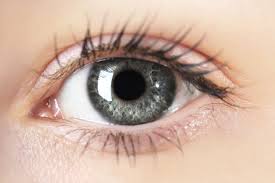
G = green, g = yellow
The genotype for a yellow plant is...
a)
GG
b)
Gg
c)
gg
d)
all of the choices result in yellow
189.
Which of the following alleles is homozygous (purebred) recessive?
a)
Tt
b)
tt
c)
TT
d)
t
190.
Two brown eyed parents (Bb) have a baby. What is the chance the baby is blue eyed?
a)
0 %
b)
25%
c)
50%
d)
75%
191.
What you see, or the physical appearance.
a)
Genotype
b)
Phenotype
c)
Homozygous
d)
Heterozygous
192.
Which of the following is a phenotype?
a)
Aa
b)
red hair
c)
heterozygous
d)
DNA
193.
What is a punnett square?
a)
graph used to predict the possible genotypes of offspring in a given cross
b)
a graph used to predict the possible birth rate of offspring.
c)
a graph used to predict the possible behavioral characteristics an offspring could have
d)
None of the above
194.
Genotype refers to the ...
a)
physical expression of the genes
b)
the possible combination of alleles in a gene
c)
whether an allele is dominant or recessive
d)
how an organism will appear