
 Worksheets
g7 science midterm review
Total questions: 131
Worksheet time: 1hrs 7mins


LAND DEGREDATION REFERS TO .........
DECLINE OF THE PRODUCTIVITY OF CULTIVATED LAND
TO ENSURE THAT THE NATURAL RESOURCES ARE NOT DEPLETED
What fin does a fish mostly use for balance?
pelvic
pectoral
caudal
dorsal
What kind of fish are lampreys and hagfish?
Osteichthyes
Chondrichthyes
Agnatha
What kind of animal inks?
octopus
squid
both a and b
What structure on a bony fish protects the gills?
scales
adipose fin
operculum
What kind of fish are sharks?
Chondrichthyes
Agnatha
Osteichthyes
Where are starfish eyes located?
on the ventral side
at the tips of the arms
on the dorsal side
Light energy, 6H2O, and 6CO2 are at the start of photosynthesis.
True
False
Fruits that are picked green will never ripen.
True
False
Water enters plants through the ___.
surface of leaves
roots
tips of stems
stomata
When water soaks into the ground it is called...
Leeching
Caverns
Infiltration
Dripping
The tallest types of mountains are...
Folded
Upwarped
Canyon
Fault-block

What type of energy transformation occurs, when a hawk eats a mouse and then uses the energy from the mouse to fly?
mechanical energy to chemical energy
thermal energy to mechanical energy
chemical energy to mechanical energy
mechanical energy to thermal energy

The roller coaster cart has the most kinetic energy at position-
W
X
Y
Z
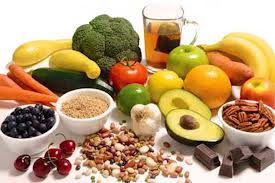
What kind of energy is represented in the picture?
Thermal
Chemical
Sound
Kinetic

HOW MANY CLASSIFICATIONS CAN WE MAKE FOR LAND ?
1
2
3
4
5

WHAT ACTIVITIES CAN WE USE LAND FOR ?
AGRICULTURE
MINING
FORESTRY
CONSTRUCTIONS
ALL OF THE ABOVE

THE USES OF LAND IS DETERMINED BY WHICH FACTORS ?
PHYSICAL FACTORS
CHEMICAL FACTORS
ATMOSPHIRIC FACTORS
NONE
LAND DEGREDATION REFERS TO .........
DECLINE OF THE PRODUCTIVITY OF CULTIVATED LAND
TO ENSURE THAT THE NATURAL RESOURCES ARE NOT DEPLETED

SOIL IS CONSOLIDATED
TRUE
FALSE

WHAT ARE SOIL HORIZONS ?
THE LAYERS OF SOIL WHEN YOU CUT SOIL LIKE CAKE
A soil horizon is a layer parallel to the soil surface
BOTH
NONE

THE MANNER IN WHICH THE HORIZONS ARE ARRANGED IN A SOIL IS KNOWN AS SOIL PROFILE
TRUE
FALSE

OVER EXPLOITATION OF LAND RESOURCES AND CONCERTISATION CAUSES LAND DEGRADATION
TRUE
FALSE
WHAT ARE THE TYPES OF SOIL ? (THERE CAN BE MORE THAN ONE OPTON )
ALLUVAIL SOIL
RED SOIL
BLACK SOIL
NONE
BLACK SOIL IS ALSO KNOWN AS _______ SOIL OR __________ SOIL.
REGULAR OR COTTON
REGULAR OR ALLUVIAL
ALUVIAL OR COTTON
NONE

LAND MAKES UP ONLY ABOUT ____ % OF THE SURFACE OF THE EARTH
10%
20%
30%
40%
Water is a what type of resource?
renewable resource
non-renewable resource
continuous resource
Why is fresh water a limited resource?
It isn't because it is a renewable resource
97% of water is in the oceans and too salty to drink.
Only 2.5% is drinkable and is stored in icecaps, rivers, and lakes.

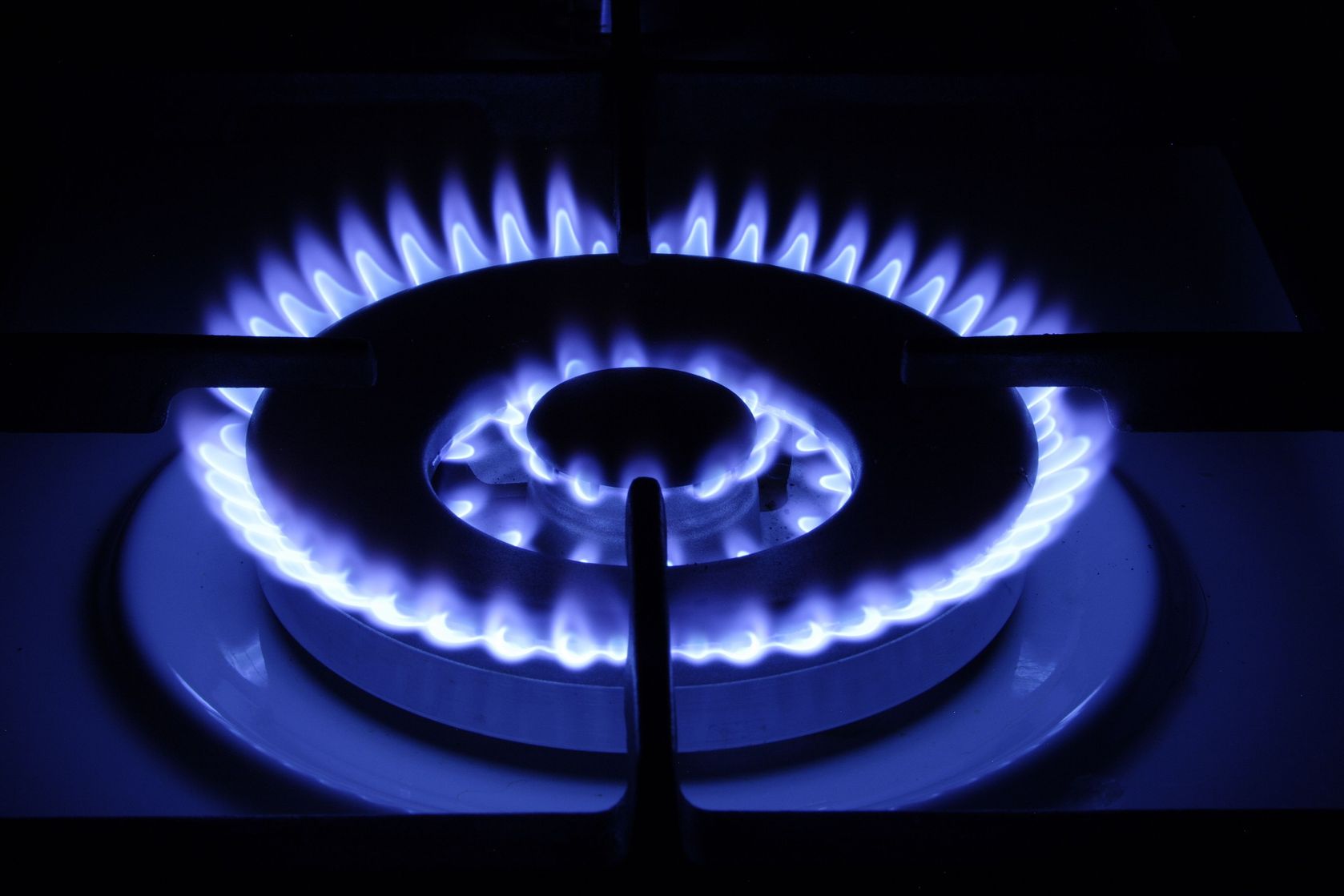
What term means the ability to cause change?
Energy
Kinetic Energy
Potential Energy
Work
What is the term for energy due to motion?
Energy
Kinetic Energy
Potential Energy
Work
What is stored energy due to the interactions between objects or particles?
Energy
Kinetic Energy
Potential Energy
work
What is the transfer of energy that occurs when a force makes an object move in the direction of the force while the force is acting on the object?
Energy
Kinetic Energy
Potential Energy
Work
What is the sum of potential energy and kinetic energy in a system of objects?
Mechanical Energy
Sound Energy
Thermal Energy
Electric Energy
What is the energy that sound carries?
Mechanical Energy
Sound Energy
Thermal Energy
Electric Energy
What is the sum of the kinetic energy and the potential energy of the particles that make up an object?
Mechanical Energy
Sound Energy
Thermal Energy
Electric Energy
What is the energy that an electric current carries?
Mechanical Energy
Sound Energy
Thermal Energy
Electric Energy
What is energy carried by an electromagnetic wave?
Radiant Energy
Nuclear Energy
Law of Conservation of Energy
Friction
What is energy that is stored and released in the nucleus of an atom?
Radiant Energy
Nuclear Energy
Law of Conservation of Energy
Friction
What is energy that can be transformed from one form into another or transferred from one region to another, but energy cannot be created or destroyed?
Radiant Energy
Nuclear Energy
Law of Conservation of Energy
Friction
What is a force the resists the sliding of two surfaces that are touching?
Radiant Energy
Nuclear Energy
Law of Conservation of Energy
Friction

What is energy?
The ability to do work and cause change and move an object some distance.
The push and pull exerted on an object.
The relationship between matter and substances..
The feeling you get after drinking a Monster or Red Bull

What is radiant energy?
Kinetic energy that results in the movement of molecules
Kinetic energy sent off in the form of electromagnetic waves.
The potential energy stored in the nucleus of an atom.
Energy produced by a radiator.

What is nuclear energy?
Kinetic and potential energy that is stored and produced by an electrical field.
The potential energy an object has because of the movement of its molecules
The potential energy stored in the nucleus of an atom.

At what point does the roller coaster have the highest amount of potential energy?
At the bottom of the first hill.
At the top of the third hill.
At the end of the ride.
At the top of the first hill.

At what point of the ride have the highest kinetic energy?
At the lowest point of the ride.
At the highest point in the ride.
On the middle hill of the ride.
Roller coasters do not exhibit kinetic energy.

Which energy does the sun produce? (2 answers)
Mechanical Potential Energy
Electrical Kinetic Energy
Radiant Kinetic Energy
Thermal Kinetic Energy
Energy can be __________ from one object to another. (2 answers)
Transported
Teleported
Transferred
Transposed
Transformed

If the speed of an object increases, what also increases?
potential energy
solar energy
static energy
kinetic energy

What two factors will increase an objects potential energy?
speed
mass
chemical properties
height

You bend your arm at the elbow and pick up a candy bar. This is an example of what?
gravitational potential energy
mechanical kinetic energy
radiant energy
cosmic energy

What type of energy does a battery contain?
electrical kinetic energy
electrical potential energy
electrical neuron energy
electromagnetic pulsar energy

What is chemical energy?
A form of potential energy that is stored in chemical bonds between atoms.
The potential energy an object has because of the movement of its molecules
Kinetic and potential energy that is stored and produced by an electrical field.
Energy sent out in the form of electromagnetic waves.

The molecules of a given substance are rapidly expanding at an excited state. What type of energy is present?
Mechanical Energy
Thermal energy
Sound energy
Vibratory energy

Molly is planting a flower garden. She carries the flowers from the car to the garden. She then pulls each flower out of its pot. She shoves a shovel into the dirt and digs a hole. She then holds the flowers as she places each of them in a hole.
In which case is Molly doing work? Remember, works is when an object moves as a result of force (a push of a pull). There are 2 answers! TWO ANSWERS!
When Molly carries the flowers from the car to the garden.
When Molly pulls the flowers from their pots.
When Molly lowers the flowers into their holes.
When Molly digs a hole.
The ability to do work.
motion
movement
energy
A.C. Helms
Energy cannot be created or destroyed.
True
False
Energy can be stored or transferred from place to place.
True
False
Which of the following is NOT a form of energy.
Atomic
Chemical
Electrical
Temperature
Which of the following is NOT a form of energy?
Thermal (Heat)
Light (Radiant)
Mechanical (Motion)
Celcius
A nuclear power plant is an example of ________ energy.
Sound
Mechanical
Atomic
Radiant
The food you eat is an example of __________ energy.
Atomic
Chemical
Electrical
Heat
Lightening is a form of _________ energy
Sound
Heat
Electrical
Mechanical
The warmth of a fire is an example of _________ energy.
Thermal
Nuclear
Motion
Sound
The light from a bulb is an example of ___________ energy.
Sound
Motion
Heat
Light
Any moving object is an example of this form of energy.
sound
heat
electrical
mechanical
A musical instrument being played is an example of __________ energy.
sound
chemical
light
atomic
Form of energy which can be described as lifting an object higher and giving it potential energy.
Light
Sound
Movement
Gravitational
Which form of energy is "stored" energy?
Potential
Kinetic
Which form of energy is "energy in motion?"
Potential Energy
Kinetic Energy
Which of the following is NOT a form of potential energy?
Sound
Chemical
Nuclear
Gravitational
Which of the following is NOT a form of kinetic energy?
gravitational
radiant
thermal
motion
An example of potential energy is a AA battery.
True
False
An example of kinetic energy is letting go of a rubber band that is stretched between your fingers.
True
False
An example of potential energy is a roller coaster moving down a hill.
True
False
Which is NOT an example of renewable energy?
wood
coal
solar
wind
Check all that apply of the examples of nonrenewable resources.
petroleum (oil)
Natural Gas
coal
wood
There are pros and cons to every source of energy.
True
False
Energy stored in chemicals, fossil fuels and substances which can burn.
energy
gravitational energy
chemical energy
heat energy
The energy of moving electrons which carry a charge.
energy
kinetic energy
mechanical energy
electrical energy
The energy of moving molecules.
Motion
Mechanical Energy
Light Energy
Heat Energy
Potential energy related to the gravitational field is known as ________.
kinetic energy
gravitational energy
light energy
motion
The energy of motion.
heat energy
kinetic energy
potential energy
sound energy
The only form of energy that we can actually see directly.
light
sound
heat
chemical
The energy of moving objects.
mechanical energy
potential energy
chemical energy
gravitational energy
The act or process of being moved.
heat
energy
motion
sound
Energy that comes from resources which are NOT naturally replenished in a human's lifetime.
nonrenewable energy
renewable energy
The energy released during nuclear fission or fusion, especially when used to generate electricity.
Nuclear
Sound
Thermal
Transformation of energy
Stored energy and the energy of positional gravitational energy.
renewable energy
kinetic energy
potential energy
sound energy
Energy that comes from resources which are naturally replenished in a human's lifetime.
nonrenewable energy
renewable energy
The movement of energy through substances in waves.
thermal energy
sound energy
heat energy
atomic energy
Heat energy/ related to the motion of atoms or molecules in a substance.
transformation of energy
thermal energy
nuclear energy
kinetic energy
The movement of energy from one form to another.
transformation of energy
Kinetic energy
Mechanical Energy
motion
A force that acts when two surfaces rub against each other.
friction
energy
radiation
vibration
The greater the mass (of an object being accelerated) the greater amount of force needed (to accelerate the object).
Newton's 1st Law of Motion
Newton's 2nd Law of Motion
Newton's 3rd Law of Motion
An object at rest will stay at rest unless acted on by an unbalanced force, and an object in motion will stay in motion unless acted on by an unbalanced force.
Newton's 1st Law of Motion
Newton's 2nd Law of Motion
Newton's 3rd Law of Motion
For every action there is an equal and opposite reaction.
Newton's 1st Law of Motion
Newton's 2nd Law of Motion
Newton's 3rd Law of Motion
To move back and forth quickly.
vibration
A.C.Helms
wind
gravitational energy
Distance from any point on one wave to the same point on the next wave.
amplitude
wavelength
frequency
Amount of energy in a wave.
Wavelength
Frequency
Amplitude
Number of vibrations in a given amount of time. (Determines Pitch)
Frequency
Amplitude
Wavelength
Which is NOT an example of how electrical energy moves.
power plant
electrical wires
bat signals
house wires
Device that demonstrates conservation of momentum of energy using a series of swinging spheres.
Sir Isaac Newton
1st Law of Motion
Newton's Cradle
2nd Law of Motion
Dissolving sugar in water is an example of a ________ change.
Physical
Chemical
Tearing a picture out of a magazine is an example of a ______ change.
Physical
Chemical

