
NEW
Font size
 Worksheets
1.4 Cell Size (calculator recommended)
Total questions: 25
Worksheet time: 50mins
Mandy earns money by delivering groceries. She earned £4 on Monday, £7 on Tuesday, £5 on Wednesday, £4 on Thursday, and £5 on Friday. What is the average amount of money Mandy earned per day?
3
4
5
6
Clayton plays basketball on a team. He has played three games so far. In the first game, he scored 10 points. In the second game, he scored 14 points. In the third game, he scored 6 points. What is Clayton’s average points per game?
10
11
12
13
Jean loves to go bird watching. One day, she saw 7 birds. The next day, she saw 11 birds. The next day, she saw no birds. What is the average number of birds Jean saw each day?
3
4
5
6
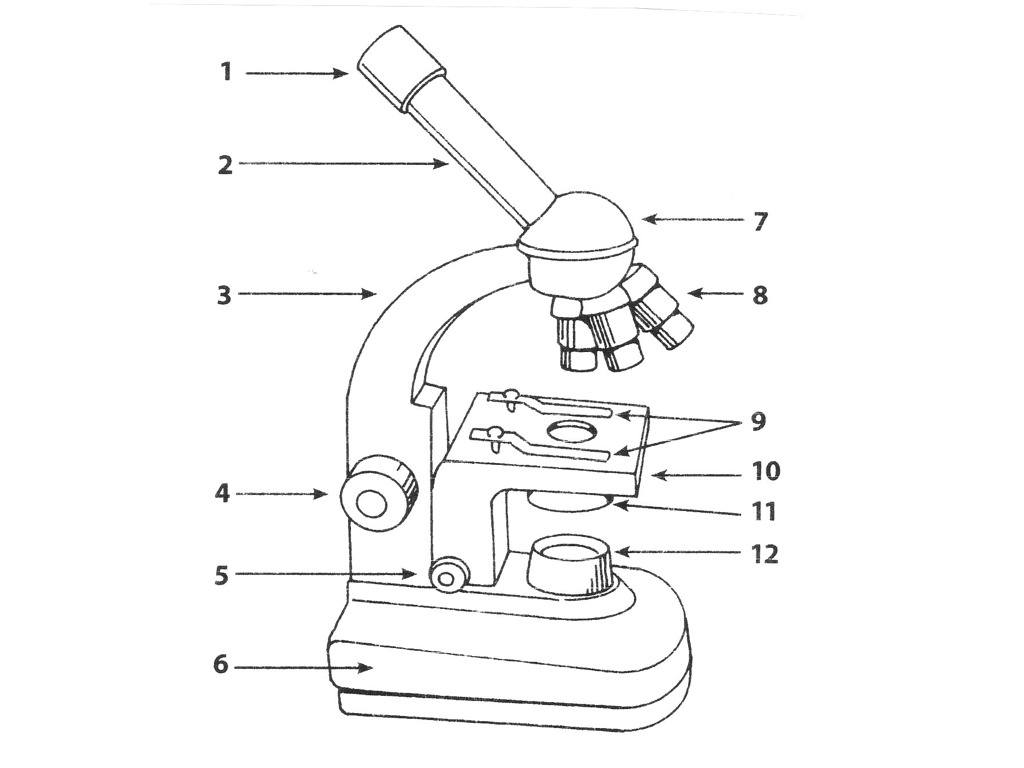


How many micrometres μm = 1 mm?
1,000
1,000,000
10,000
100,000
Eyepiece = 10X
Objective lens = 55X
181 micrometres
11,600 micrometres
.006 micrometres
1.81 micrometres
Here are the settings on a microscope:
Eyepiece Lens: 10X
Low Power Lens: 15X
High Power Lens: 50X
You are viewing human blood under low power. How much bigger do those cells appear to you through the eyepiece. (compared to what they are in real life)
(hard one) Here are the settings on a microscope:
Eyepiece Lens: 10X
High Power Lens: 40X
F.O.V for 40X = 0.34 mm
You are viewing human blood under high power. You need to calculate the average size of a red blood cell. You estimate that 51 cells will fit across your F.O.V. What is the average size of one of those red blood cells?
You measure the field of view as 4.8 mm. Calculate what that is in micrometres.
48μm
480μm
4800μm
48000μm
For total magnification you take the magnification of the objective lens and multiply it by the magnification of the eyepiece lens. What magnification does the eyepiece lens normally have?
If the total magnification is 100x and the objective is 10x, what is the eyepiece magnification?
If the eyepiece magnification is 10x, and the the total magnification is 400x, what is the objective?
If the eyepiece is 2x and the objective is 4x, what is the total magnification?
micrometres
centimetres
metres
minimetres
How many micrometres (µ) are in a millimetre (mm)?
10 µm
100 µm
1,000 µm
0.1 µm


This part contains the lens you look through.
nosepiece
eyepiece
low power objective lens
high power objective lens

