
Font size
 Worksheets
World War II
Total questions: 35
Worksheet time: 27mins

Which government action was a response to the Japanese attack on Pearl Harbor?
drafting all Japanese American men into the United States Army
passing labor laws banning the employment of immigrants
ending all oil sales to Japan
forcing the relocation and internment of Japanese Americans

What effect did the end of World War II have on American women who worked in defense industries during the war?
Their jobs were taken by returning servicemen
They were invited to join labor unions
Their contributions were rewarded by the government
Their wages were increased to match those of male workers

During World War II, the need of the United States for more war materials resulted in the:
reduction in profits for defense industries
easing of government controls on the economy
use of lengthy strikes by labor unions
rationing of some consumer goods

Which action is an example of international appeasement?
Germany signing a nonaggression pact with the Soviet Union
Great Britain and France agreeing to Hitler’s demand for part of Czechoslovakia
Japan attacking Pearl Harbor
Congress authorizing the Manhattan Project

A key purpose of this World War II poster was to:
encourage protests against the war
gain support for the war effort
influence the Axis powers to end the war
illustrate the nature of modern warfare

Which statement best explains why the United States mainland suffered minimal physical damage in both World War I and World War II?
The United States policy of isolationism discouraged attacks by other countries
United States military fortifications prevented attacks on United States soil
Latin America provided a buffer zone from acts of aggression by other countries
Geographic location kept the United States protected from most of the fighting

The Manhattan Project led by Robert Oppenheimer was part of the World War II effort to:
ban the use of chemical and biological warfare
develop the atomic bomb
coordinate troop movements between New York and Europe
supply the Allies with more fighter planes

Why did the US institute the strategy of “island hopping” in the war in the Pacific?
The Japanese had conquered land all the way to the Pacific coast of the US
US military leadership believed that it would save lives, while accomplishing the mission
There were too many individual islands for the US to conquer them all
B and C are both correct

What date was Pearl Harbor attacked?
November 11, 1918
September 1, 1939
December 7, 1941
June 22, 1941

Which event started World War II?
Japan’s attack on Pearl Harbor
Japan’s attack on San Francisco
Germany’s attack on Poland
Germany sinking the USS Essex

The main purpose of the World War II coupons shown in this illustration was to:
pay defense contractors for military hardware
choose men for the draft
conserve essential goods for military use
encourage increased production of consumer goods

Which statement most accurately describes the foreign policy change made by the United States between the start of World War II (1939) and the attack on Pearl Harbor (1941)?
The traditional isolationism of the United States was strengthened.
The nation shifted from neutrality to military support for the Allies.
War was declared on Germany but not on Japan.
Financial aid was offered to both the Allied and Axis powers.

Which of the following was the name of Hitler’s political party?
Communists
Labor
Fascists
National Socialists

Which of these events occurred on June 6, 1944?
V-J Day
D-Day
V-E Day
Bombing of Hiroshima

7. Which of the following was NOT an important American General during WWII?
Eisenhower
Patton
MacArthur
Rommel

Which was an example of appeasement?
the U.S. Neutrality Acts of 1935 and 1937
the conquest of Poland in 1939
the entry of the United States into World War II in 1941
the agreement of Britain and France to give Germany the Sudetenland in 1938
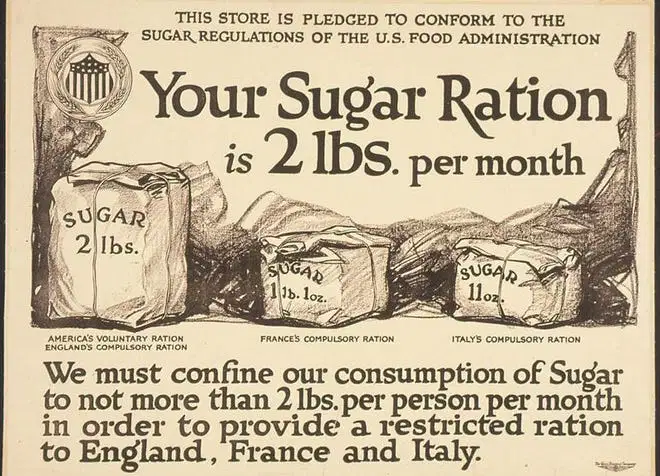
During World War II, the need of the United States for war materials resulted in--
the easing of government controls on the economy
frequent strikes by labor unions
the rationing of many consumer goods
reduced profits for defense industries
Put the events of World War II in chronological order
Germany invades Poland
Japan attacks Pearl Harbor
Allies invade Europe on D-Day
United States drops atomic bombs on Japan

What was the purpose of propaganda for rationing?
To raise money for the government to spend on military equipment
To encourage civilians at home to reserve products for the military and limit waste by civilians.
To kick start the economy with consumerism
To encourage people to join the Armed Forces

How did women support the war effort during WWII?
They maintained the home and allowed their husbands to concentrate on their jobs
They worked industrial jobs such as those in defense industries
They were limited to being nurses and teachers
They were encouraged to spend money to support the war effort

What year did the United States enter World War II?
1939
1940
1941
The US never joined


Who was the leader of Russia during World War II?
Nikita Khrushchev
Joseph Stalin
Mikhail Gorbachev
Leon Trotsky

What was Hitler's costliest mistake during World War II?
the Anschluss of Austria
the attack against Great Britain
the invasion of the Soviet Union
the alliance with Japan

A. Phillip Randolph planned to March on Washington because he demanded that FDR _______________
require equal pay for women
prevent discrimination against African Americans by factories with defense contracts
create better jobs for Americans
ban child labor

Why did many Americans support the Double V campaign?
It segregated troops during WWII
It meant racial equality at home and also at the warfront against fascism
It allowed women to fight in the front lines and in the factories
None of the above

Which describes the Lend-Lease Act's purpose?
It allowed the U.S. to bring back migrant farmers from Mexico to work in US farms.
It let Allied powers purchase military ships if they paid in cash and carried them back home themselves.
It forced men of certain ages to register for military service.
It allowed the US to give military supplies to countries they felt had to be defended to protect US interests.

Why did the Allies attack the Germans in France at Normandy?
It seemed to be less defended by the Germans than the closer-to-England location of Calais, France
There was no other place that they could have attacked the Germans
They were worried that Stalin and Hitler might make a separate peace deal
The Allied invasion of Italy had been a complete failure.
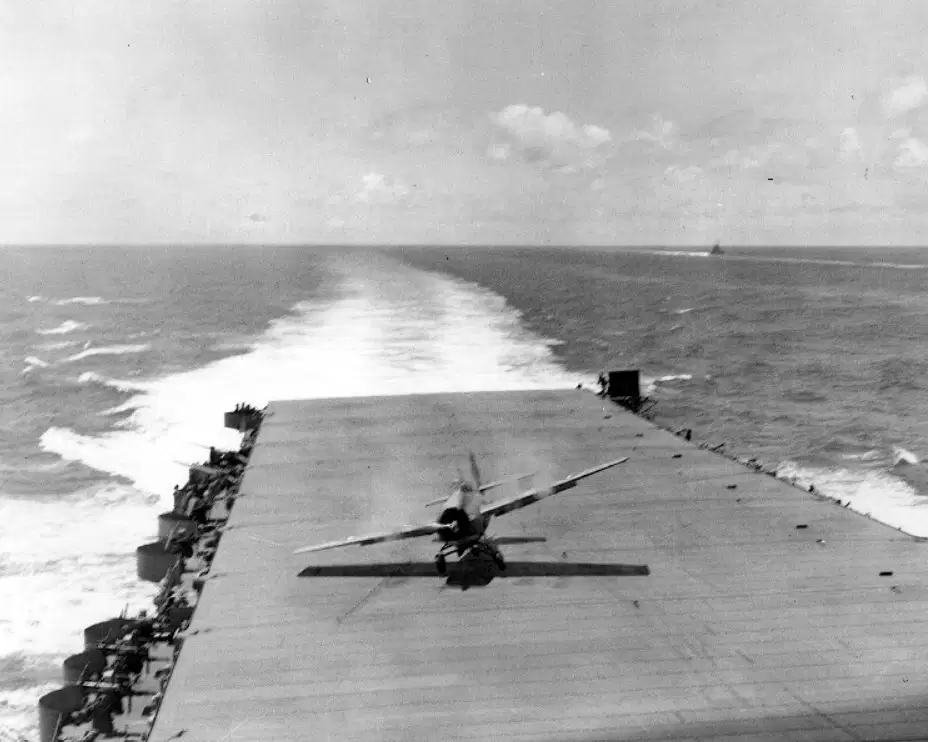
Why was the Battle of Midway a turning point in the war in the Pacific?
Both sides realized that there was no hope for victory and came to peace
The loss of four Japanese aircraft carriers allowed the Allies to begin re-taking the Pacific
It was a huge loss for America, with four aircraft carriers being sunk by the Japanese
The Americans killed Admiral Yamamoto, who was the officer behind the attack on Pearl Harbor.

Which of these was NOT a landing point for American troops during D-Day?
Omaha
Juno
Utah
Americans landed at all three of these beaches

What was the motivation for President Truman's decision to authorize the use of atomic bombs against Japan?
He wanted to kill as many Japanese as possible with one action.
He wanted to kill Emperor Hirohito
He believed that since the U.S. had spent so much money building the atomic bomb, we should use it.
He was concerned about the number of American deaths in an invasion of Japan, and wanted to avoid doing that.

Which of these Generals fought for Germany during WWII?
Eisenhower
Patton
Rommel
Krueger
World War II finally ended when the Japanese surrendered at:
San Francisco
Singapore
USS Midway
USS Enterprise
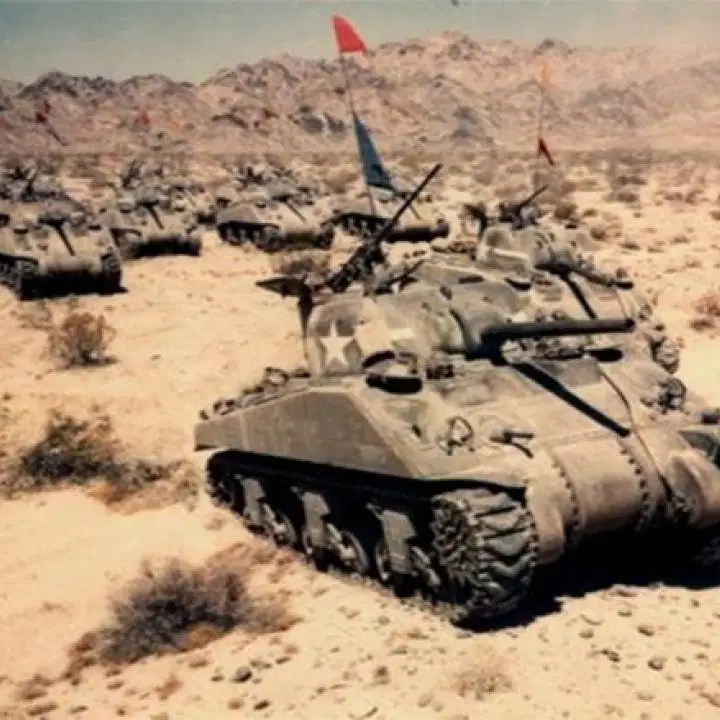
Match the following events/battles
D-Day (Operation Overlord)
Soviet soldiers capture the capital of Germany
Operation Torch or El Alamein
100,000 Allied soldiers land on the coast of Normandy
Fall of Berlin- Battle of Berlin
Germany's last offensive campaign in the West
Battle of the Bulge
Allied campaign in North Africa

Analyze the role of the Battle of the Bulge in the final stages of WWII. How did it affect the German military strategy?
It allowed Germany to regain lost territory.
It depleted German resources and hastened their defeat.
It resulted in a stalemate on the Western Front.
It led to the capture of Paris by German forces.

