
 Worksheets
Spanish 1 Final
Total questions: 208
Worksheet time: 7hrs 56mins
Listen to the word I spell and select the correct answer.
dedo
dero
pero
perro
Listen to the word I spell and select the correct answer.
honor
amor
anor
hamor
Listen to the word I spell and write it down.
(a)
Listen to the word I spell and write it down.
(a)
Listen to the word I spell and write it down.
(a)
Listen to the word I spell and select the correct answer.
piña
pina
bina
biña
Listen to the word I spell and select the correct answer.
heillo
hielo
heilo
hailo
Listen to the word I spell and write it down.
(a)
Listen to the word I spell and write it down.
(a)
Listen to the word I spell and write it down.
(a)
The present progressive tells...
what was happening at a certain time.
what is going to happen.
what is happening right now.
what typically happens in a day.
How many parts are used in the formation of the present progressive?
(a)
The first part of the present progressive is formed by using the present tense of the verb (a) .
The second part of the present progressive is called the __.
participle
preterite
particle
progressive
Regular AR/ER verbs have the same endings in the present progressive.
Cierto
Falso
The regular AR ending of the present progressive is (a) .
Which is the best translation for "¿Por qué estás comiendo mi chocolate?"
Who ate my chocolate?
Are you eating my chocolate?
Did you really eat my chocolate?
Why are you eating my chocolate?
Write the regular er/ir ending for the present progressive: (a) .
Which forms of "estar" have accents?
All
yo
tú, él, ella, Ud
vosotros, ellos, ellas, Uds
nosotros
Write the participle of oír:
(a)
Write the participle of "traer":
(a)

We are studying.
Estamos estudiar.
Estamos estudiendo.
Estamos estudiando.
Somos estudiando.

I am not talking.
Yo estoy no hablando.
Yo no estoy habliendo.
Yo no estoy hablando.
Yo soy hablando.

Tú ______________.
está trabajando
estás trabajiendo
estás trabajar
estás trabajando

I am studying.
Yo soy estudiando.
Yo no estoy estudiando.
Yo estoy estudiando.
Yo estoy estudiendo.

Mis amigos _________.
están haciendo la tarea.
están hacer la tarea.
están haciando la tarea.

Yo ___________ jugando.
está
estás
estoy
soy

Ellos están _____________(bailar).
bailiendo
bailendo
bailando

Nosotros __________ facturando el equipaje.
estás
están
estamos
estoy
The verb _________ translates ¨am / is / are¨ for the present progressive
ser
estar
tener
ir
The endings ________ & _________ translate the ¨ -ing " ending in Spanish.
-ado & -ido
-oy & -go
-ción & -dad
-ando & -iendo
(ella) *leer
está leiendo
está leyendo
es leyendo
ella leiendo
we are buying
estamos compriendo
están comprando
nosotros comprando
estamos comprando
I am bringing**
estoy trayendo
yo traiendo
estoy traiendo
soy trayendo
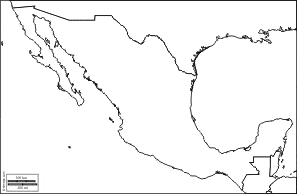
La capital es México D.F.
El Salvador
Guatemala
Honduras
México
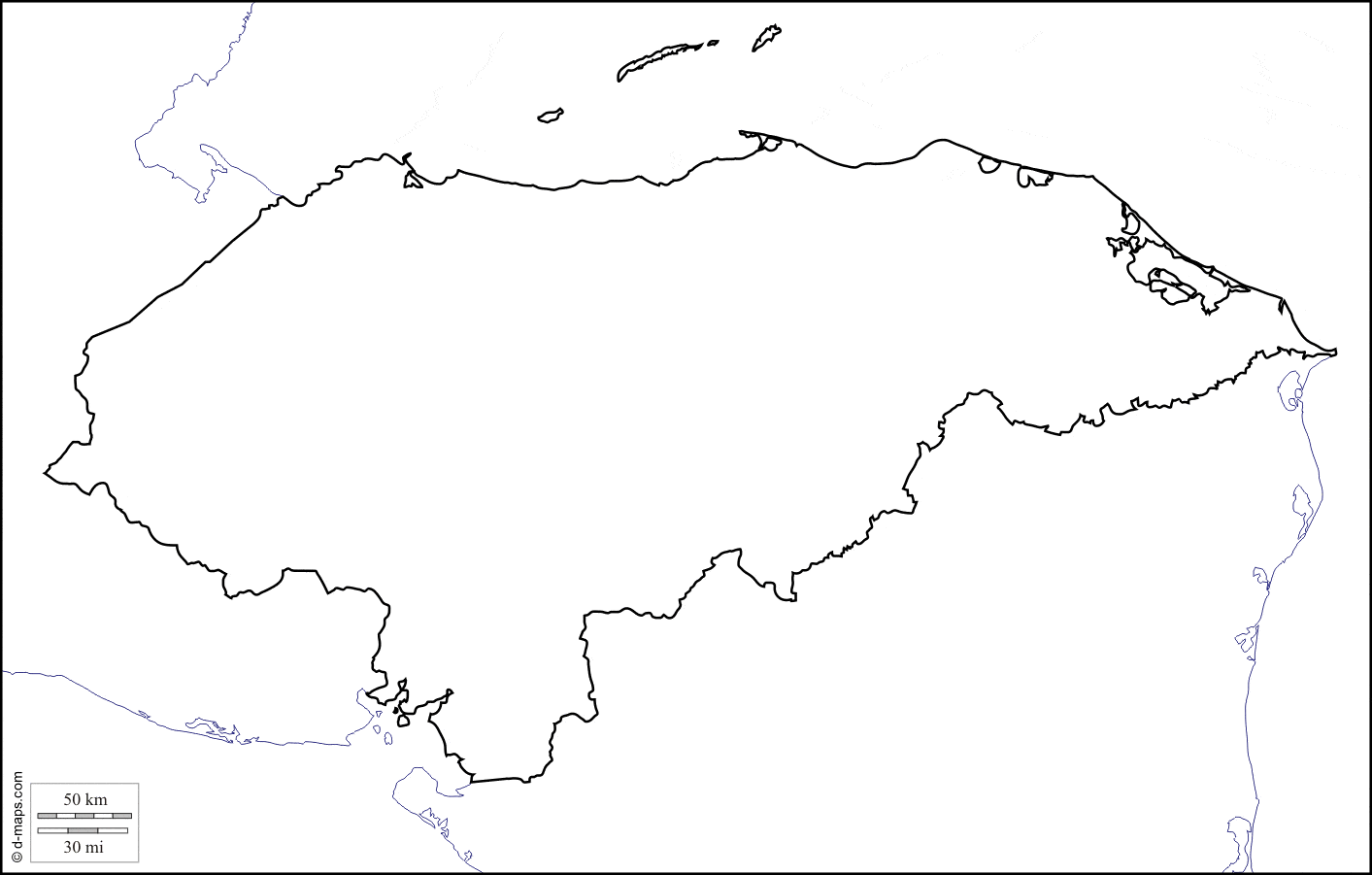
La capital es Tegucigalpa
Honduras
Costa Rica
Nicaragua
Panamá
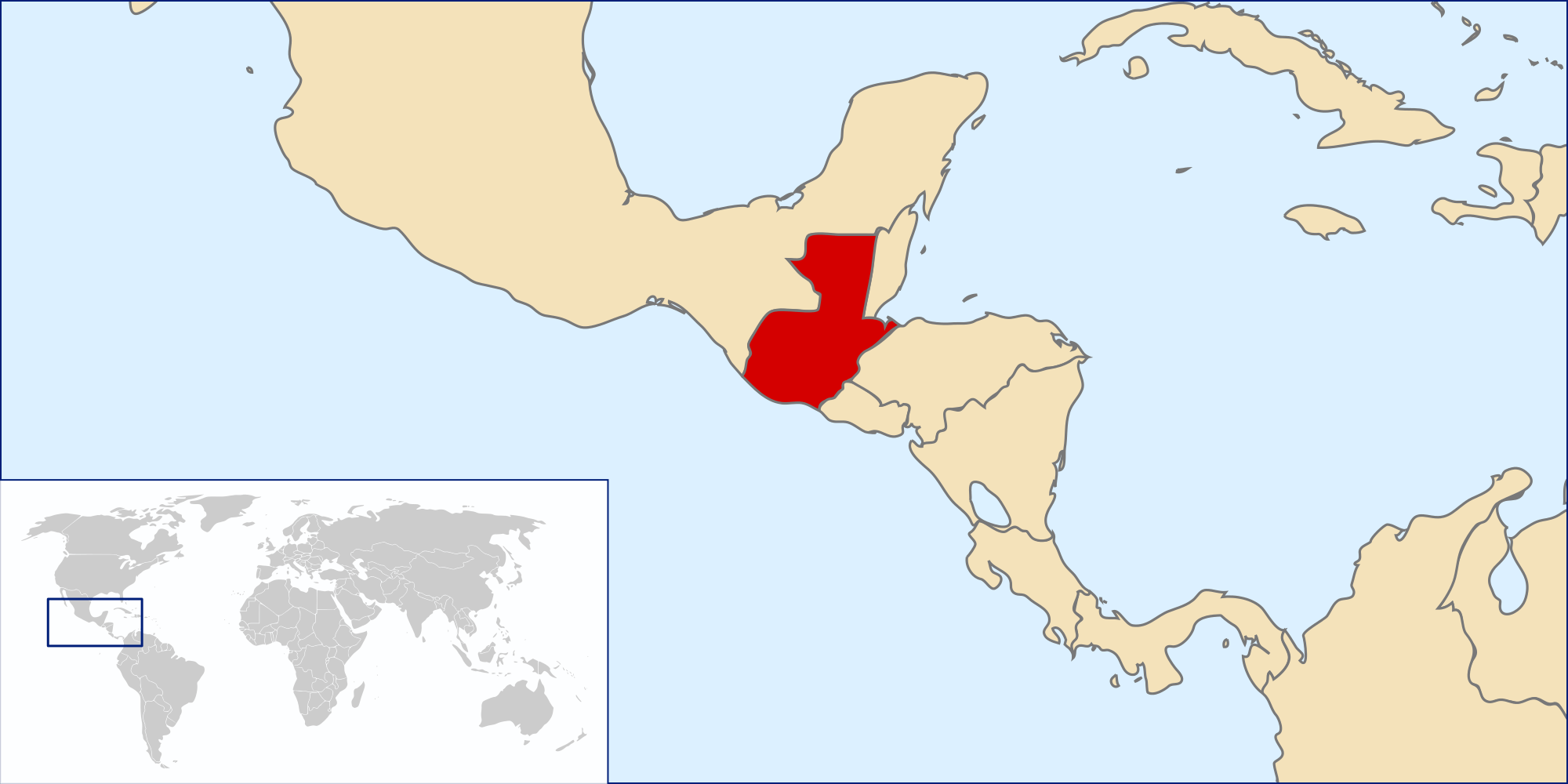
La capital es Guatemala.
Honduras
Cuba
Guatemala
Costa Rica
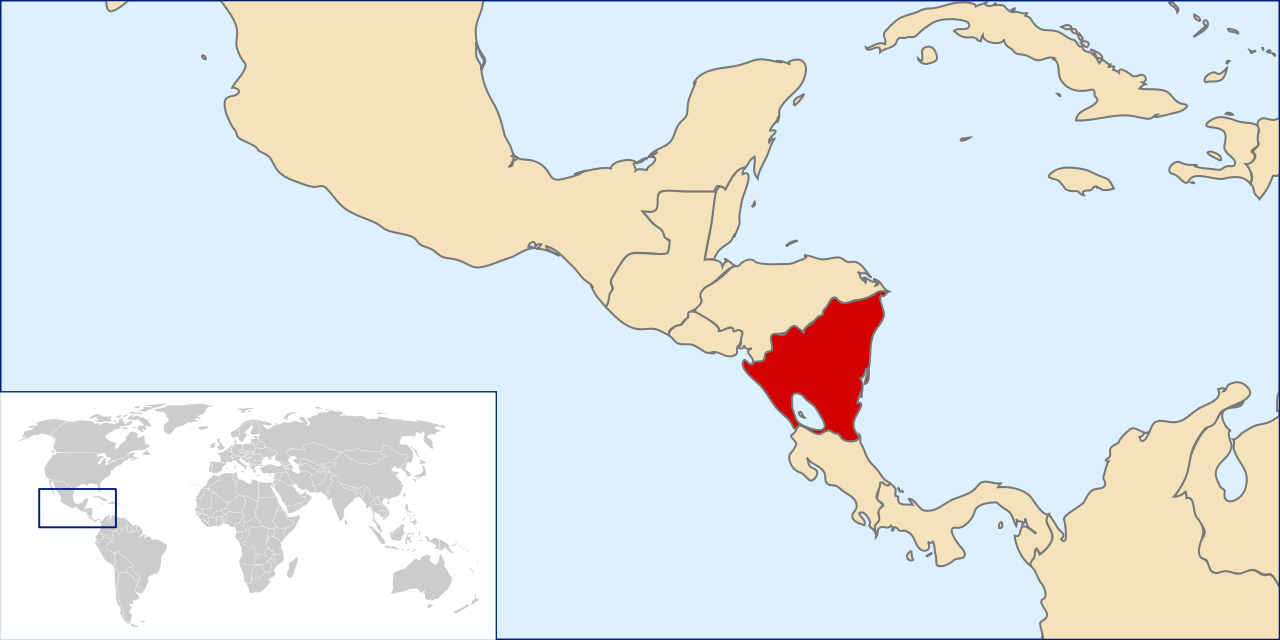
La capital es Managua.
Nicaragua
Guatemala
Honduras
Costa Rica
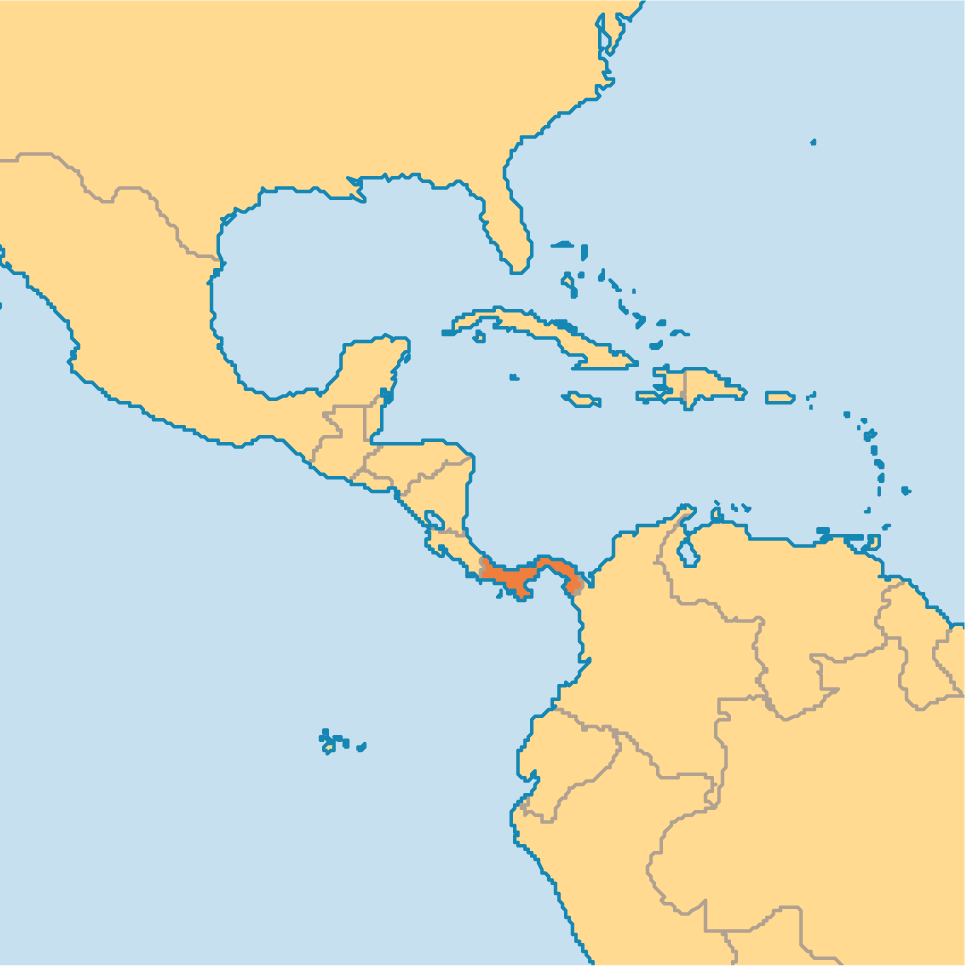
La capital es Panamá.
Panamá
Costa Rica
Cuba
Nicaragua
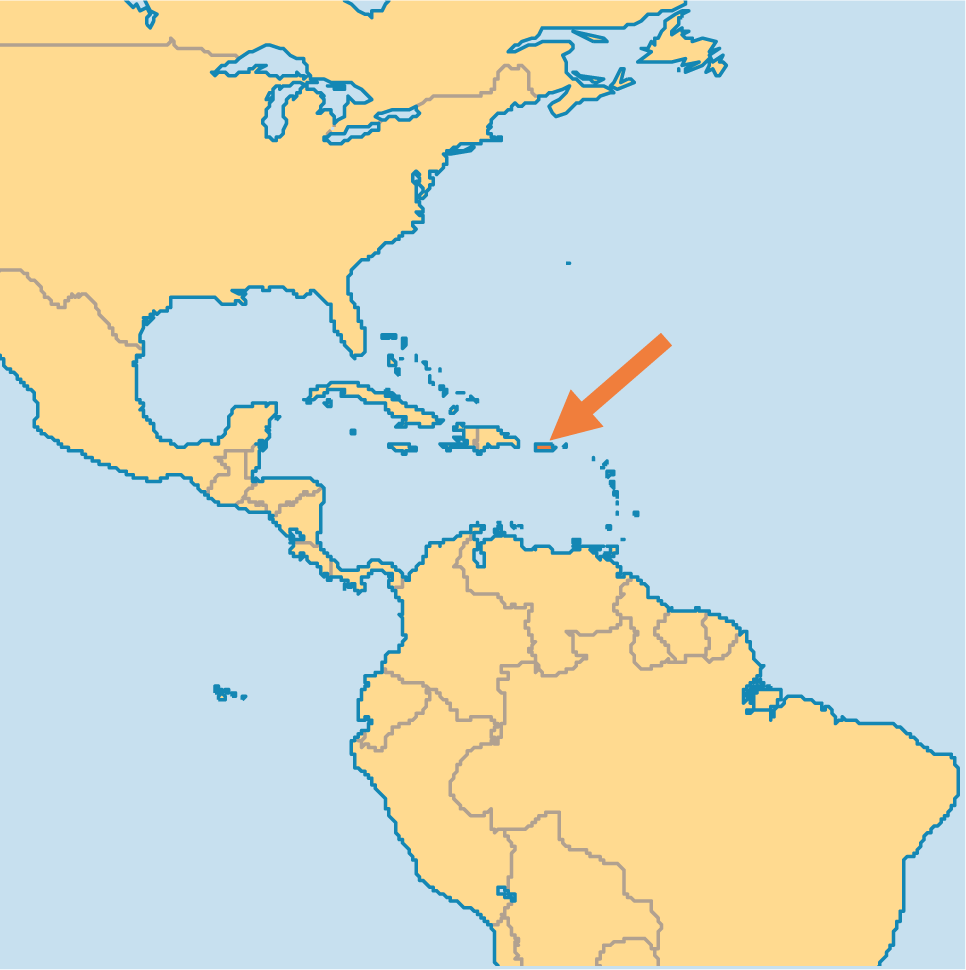
La capital es San Juan.
La República Dominicana
Puerto Rico
Panamá
Costa Rica
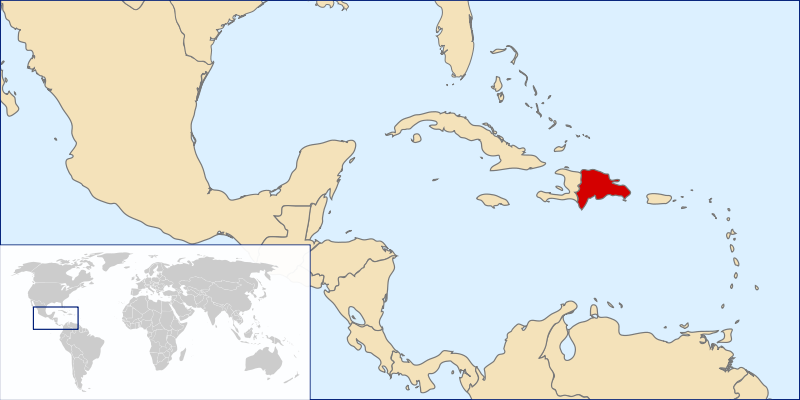
La capital es Santo Domingo.
La República Dominicana
Cuba
Puerto Rico
Costa Rica
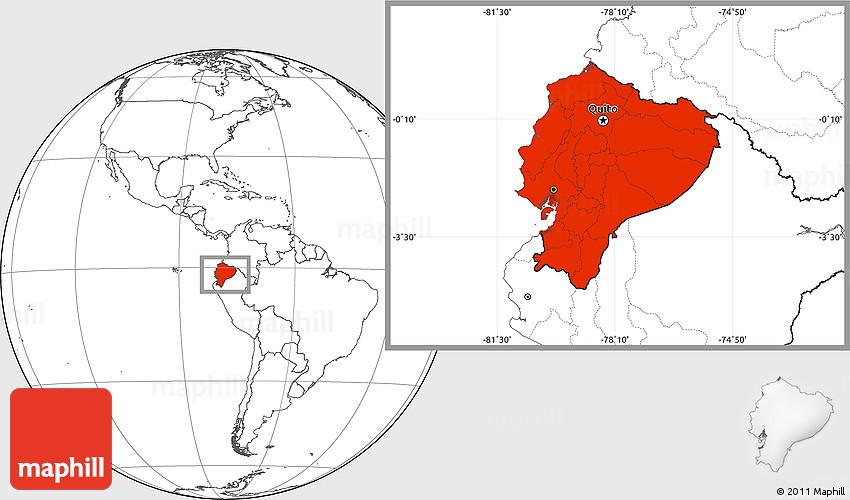
La capital es Quito.
Venezuela
Colombia
Ecuador
Perú
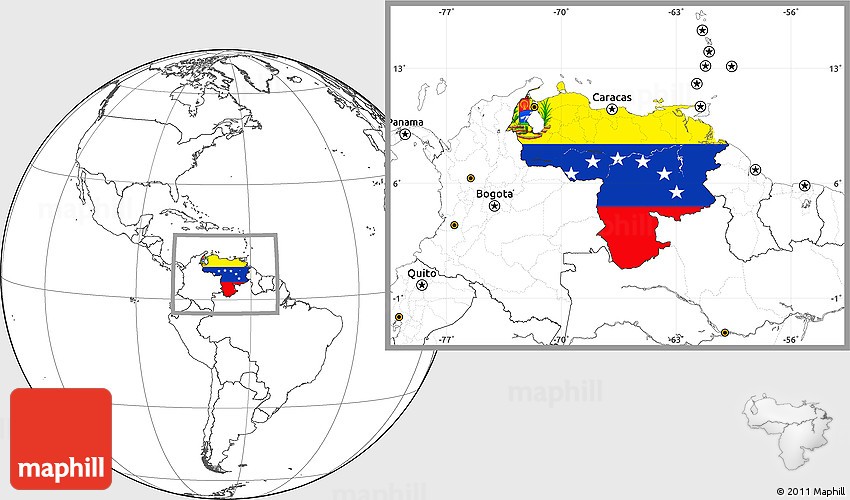
La capital es Caracas.
Venezuela
Colombia
Ecuador
Perú
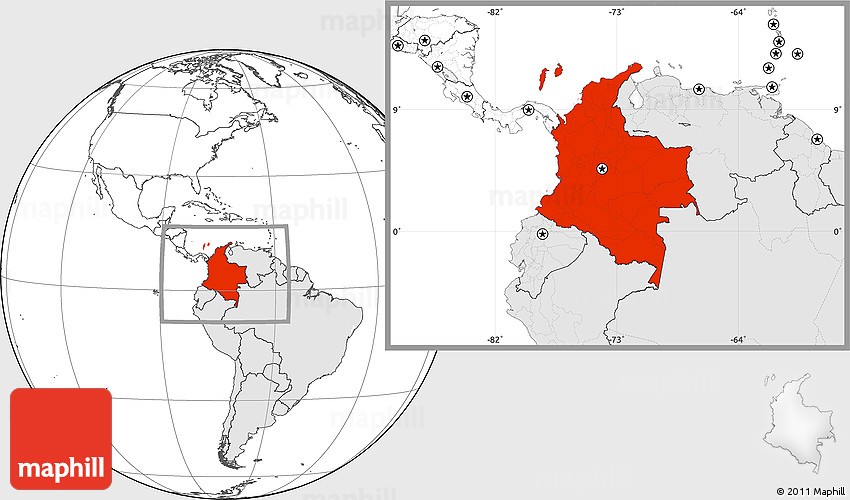
La capital es Bogotá.
Ecuador
Perú
Venezuela
Colombia

La capital es Lima.
Ecuador
Chile
Bolivia
Perú
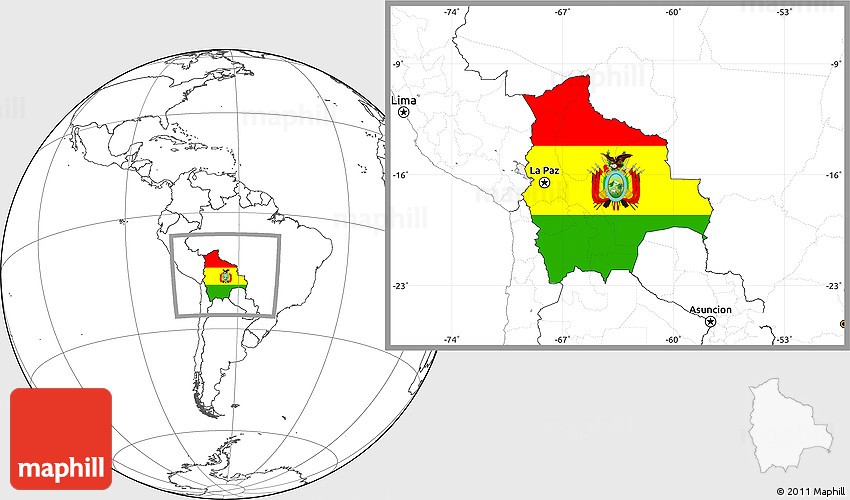
La capital es La Paz.
Perú
Uruguay
Bolivia
Paraguay
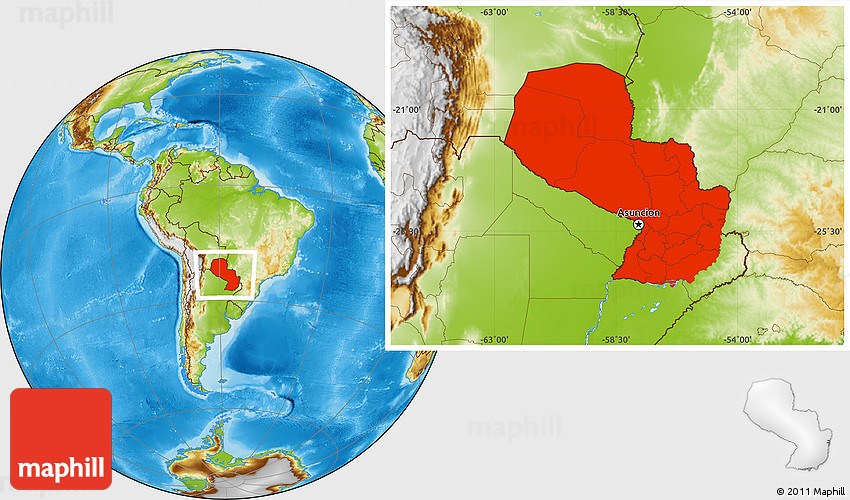
La capital es Asunción.
Uruguay
Bolivia
Perú
Paraguay
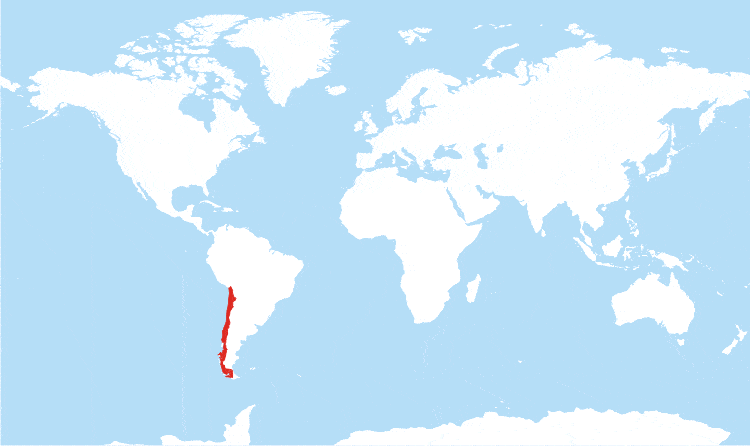
La capital es Santiago.
Argentina
Chile
Bolivia
Eucador
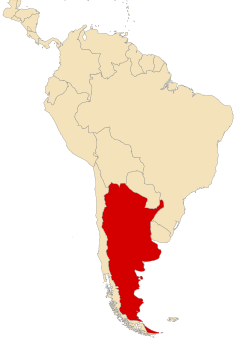
La capital es Buenos Aires.
Uruguay
Paraguay
Colombia
Argentina
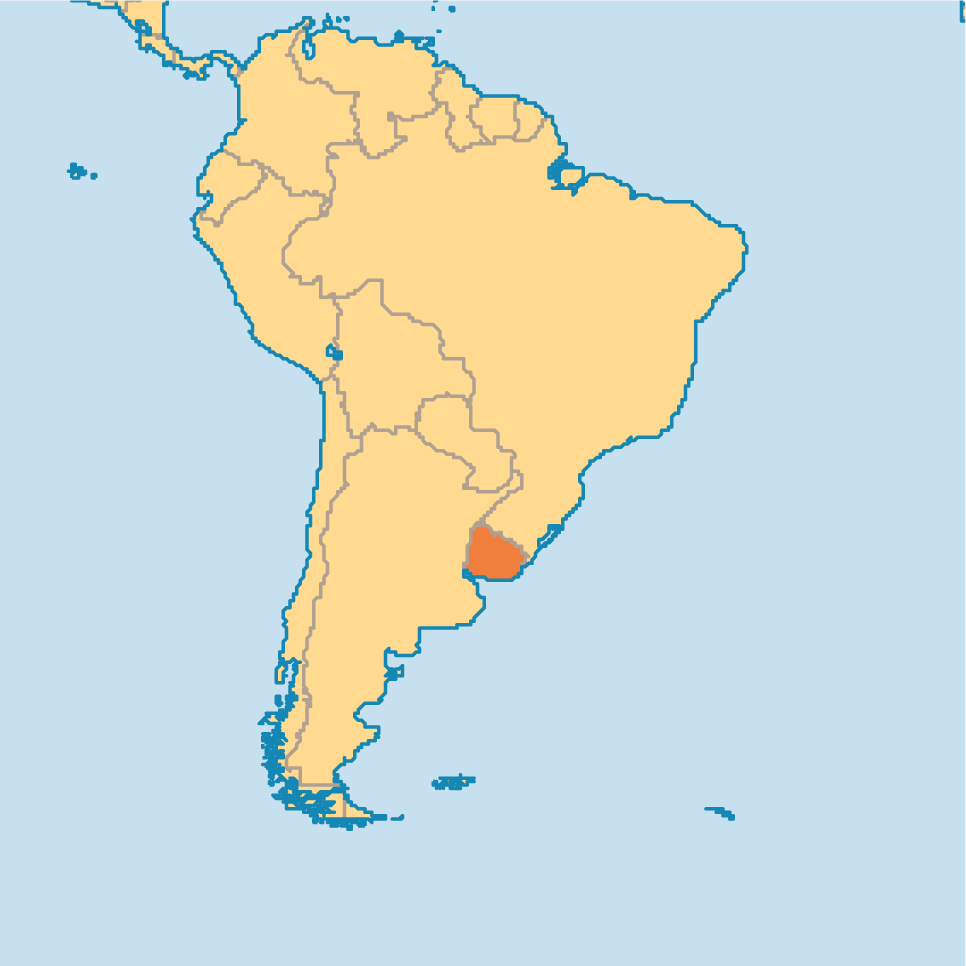
La capital es Montevideo.
Uruguay
Paraguay
Argentina
Bolivia
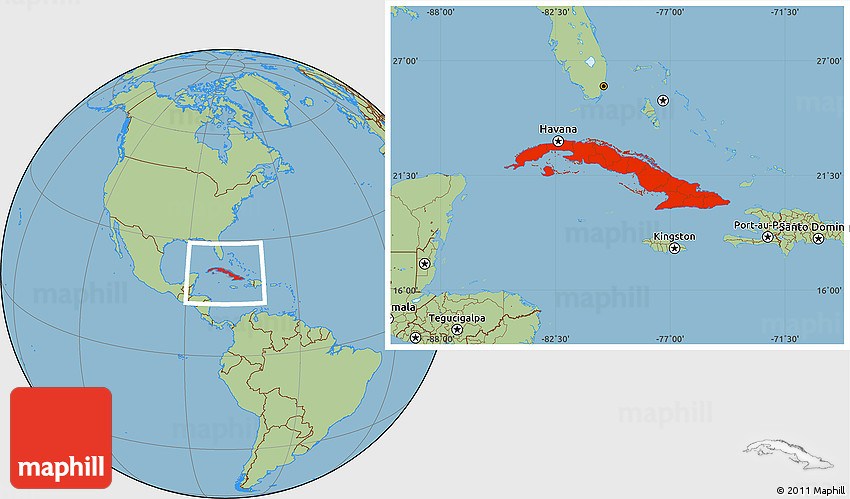
La capital es La Habana.
La República Dominicana
Cuba
Puerto Rico
Panamá
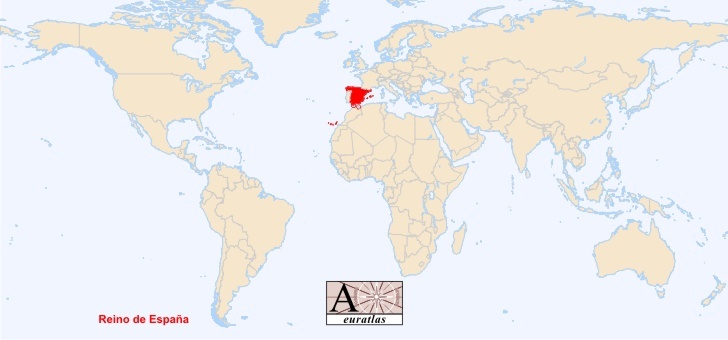
La capital es Madrid.
España
Portugal
Brazil
Belize
Capital of EQUATORIAL GUINEA
Caracas
Buenos Aires
Madrid
Malabo
Choose the correct Spanish subject pronoun for "he".
el
él
ella
usted
Choose the correct Spanish subject pronoun for "I".
tú
usted
yo
ella
Which Spanish subject pronoun would you use to replace “María"?
él
ella
Which Spanish subject pronoun would you use to replace “el Sr. Mendez"?
él
ella
Type the Spanish word for “I”.
(a)
In Spanish there are 2 subject pronouns for “you”. Which of the following is the FORMAL you?
tú
usted
Which of the following would you use for “they” if it was a group of males AND females?
ellos
ellas
Which of the following would you use for “we” if it was a group of ALL females?
nosotros
nosotras
Choose the correct Spanish subject pronoun for “you-all / y’all”.
usted
ustedes
nosotros
ellas
Type the Spanish word for “she”.
(a)
In Spanish there are 2 subject pronouns for “you”. Which of the following is the FAMILIAR you?
tú
usted
Which Spanish subject pronoun would you use to replace “María y yo”?
nosotros
ellos
ustedes
ella
Which Spanish subject pronoun would you use to replace “María y Santiago”?
nosotros
ellos
ustedes
yo
Type the Spanish word for “they - feminine”.
(a)
Type the Spanish subject pronoun you would use to replace “la Sra. Iglesias”?
(a)
Which Spanish subject pronoun would you use to replace “tú y Santiago”?
nosotros
ustedes
ellos
él
If you were talking to your school’s principal, which of the following pronouns would you use?
tú
usted
Which Spanish subject pronoun would you use to replace “María y Paula”?
nosotras
ustedes
ellas
ella
If you were talking to your younger cousin, which of the following pronouns would you use?
tú
usted
Which Spanish subject pronoun would you use to replace “usted y Javier”?
nosotros
ustedes
ellos
usted

Translate the image
Good morning
Goodbye
Hello
We'll see you
¿Qué hora es? means:
What day is it?
What time is it?
What second is it?
What minute is it?
7
seite
siete
setie
setei
What number is it?
(a)
What number is it?
(a)
What number is it?
(a)
What number is it?
(a)
What number is it?
(a)
What number is it?
(a)
What number is it?
(a)
What number is it?
(a)
What number is it?
(a)
"El" and "la" are called ....
indefinite articles
definite articles
"Un" and "una" are called ....
indefinite articles
definite articles
"La" and "una" describe a ....
feminine noun
masculine noun
"El" and "un" describe a ....
feminine noun
masculine noun
Escuela
La escuela
El escuela
Boligrafo
Un boligrafo
Una boligrafo
La Sra. Smith es .... profesora simpatica.
un
una
Juan Carlos es .... chico perezoso.
una
un
Mañana es viernes, el quince de octubre 2019. El día de la semana es....
Friday
Fall
October
2016
What is the right sequence of the months below?
Enero, Febrero, Abril, Mayo, Julio.
Enero, Febrero, Marzo, Abril, Junio.
Enero, Febrero, Marzo, Mayo, Junio.
Enero, Febrero, Marzo, Abril, Mayo.
What is the right sequence of the months below?
Enero, Febrero, Abril, Mayo, Julio.
Enero, Febrero, Marzo, Abril, Junio.
Enero, Febrero, Marzo, Mayo, Junio.
Enero, Febrero, Marzo, Abril, Mayo.
The first day of the week in Spanish is _____.
domingo
lunes
martes
sábado
--¿Qué día es hoy?
--Hoy es _____.
martes
semana
mañana
diez
Hay siete días en _____.
un día
un calendario
una semana
un año
El sábado y el domingo son los días del _____.
calendario
fin de semana
mes
año
To find out the date, you say, ¿Cuál es la fecha de hoy?
True
False
Hay tres estaciones en el año.
True
False
When giving the date, you use el primero for the last day of the month.
True
False
March
marzo
mayo
enero
diciembre
Conjugate ESCRIBIR 'to write' in 3rd person singular
ESCRIBO
ESCRIBE
ESCRIBEN
ESCRIBES
Conjugate COMER 'to eat' in 1st person plural.
COMEN
COMO
COMEMOS
COMEIS
Conjugate RECIBIR 'to receive' in 2nd person singular.
RECIBES
RECIBE
RECIBO
RECIBEN
Conjugate DECIDIR 'to decide' in 1st person plural.
DECIDES
DECIDE
DECIDIMOS
DECIDEN
Conjugate DISCUTIR 'to discuss' in 2nd person plural.
DISCUTES
DISCUTÍS
DISCUTIMO
DISCUTEN
Conjugate VIVIR 'to live' in 2nd person singular.
VIVES
VIVÍS
VIVIMOS
VIVEN
What is the conjugation endings of the ER verbs in present tense?
O, AS, A, AMOS, ÁIS, AN
O, ES, E, IMOS, ÍS, EN
O, ES, E, EMOS, ÉIS, EN
O, AS, A, EMOS, ÍS, EN
What is the conjugation endings of the IR verbs in present tense?
O, AS, A, AMOS, ÁIS, AN
O, ES, E, IMOS, ÍS, EN
O, ES, E, EMOS, ÉIS, EN
O, AS, A, EMOS, ÍS, EN
What is the conjugation of the verb 'to go', IR in the present tense?
O, AS, A, AMOS, ÁIS, AN
O, ES, E, IMOS, ÍS, EN
O, ES, E, EMOS, ÉIS, EN
VOY, VAS, VA, VAMOS, VÁIS, VAN
Conjugate the verb BEBER 'to drink' in 3rd person plural form?
BEBES
BEBO
BEBEMOS
BEBEN
Conjugate the verb COMPRENDER 'to understand' in 3rd person singular form?
COMPRENDES
COMPRENDO
COMPRENDEMOS
COMPRENDE
The 1st person plural pronoun(s) is/are?
You - Ustedes
We - Nosotros
They - Ellos
I - Yo
The 3rd person singular pronoun(s) is/are?
ELLOS, ELLAS, USTEDES
ÉL, ELLA, USTED
VOSOTROS
NOSOTROS
The 2nd person plural pronoun(s) is/are?
ELLOS, ELLAS, USTEDES
VOSOTROS
ÉL, ELLA, USTED
NOSOTROS
The 1st person singular pronoun(s) is/are?
You - Ustedes
We - Nosotros
They - Ellos
I - Yo
The 2nd person singular pronoun(s) is/are?
YO
TÚ
ÉL, ELLA, USTED
NOSOTROS
The 3rd person plural pronoun(s) is/are?
ELLOS, ELLAS, USTEDES
ÉL, ELLA, USTED
VOSOTROS
NOSOTROS
What are the conjugation endings of present tense AR verbs?
VOY, VAS, VA, VAMOS, VÁIS, VAN
O, AS, A, AMOS, ÁIS, AN
O, ES, E, EMOS, ÉIS, EN
O, ES, E, IMOS, ÍS, EN
What are the conjugation endings of present tense ER verbs?
VOY, VAS, VA, VAMOS, VÁIS, VAN
O, AS, A, AMOS, ÁIS, AN
O, ES, E, EMOS, ÉIS, EN
O, ES, E, IMOS, ÍS, EN
What are the conjugation endings of present tense IR verbs?
VOY, VAS, VA, VAMOS, VÁIS, VAN
O, AS, A, AMOS, ÁIS, AN
O, ES, E, EMOS, ÉIS, EN
O, ES, E, IMOS, ÍS, EN
¿Qué significa baj@ en íngles?
short (length)
chubby
short (height)
pretty
¿Qué significa guap@ en íngles?
skinny
handsome
tall
chubby
¿Qué significa cort@ en íngles?
young
pretty
old
short (length)
¿Qué significa joven en íngles?
young
long
handsome
old

Choose the description that matches the picture.
Es una chica.
No es muy alto.

Choose the description that matches the picture.
Es vieja.
Es viejo.

Choose the description that matches the picture.
Es flaca.
Es flaco.

Contesta:
Answer the question in a complete Spanish sentence using 3 adjectives from our vocabulary list.
¿Cómo eres tú?
Contesta:
¿Cómo es tu mejor amig@? What is your best friend like?
Answer the question in a complete Spanish sentence(s) using 3 adjectives from our vocabulary list.
Also include your friend's name in your answer.
Choose the statement that describes your understanding of the vocabulary.
Bien
Mal
Así así
Nada

Monica______ morena.
es
esta
está
se

El perro ________ debajo de la mesa.
es
esta
está
se

Los juegos de videos ___________ de Luis
eres
están
son
es

¿Tú _______________ en la escuela?
eres
estás
está
es

Tú hermana ____________ rubia y delgada.
somos
soy
es
eres

Tú _____________ de Madrid, España.
eres
estás


esta


está


