wayground logo

Free Printable Worksheets

Font size

S
M
L
XL
Worksheets

First year revision questions

Total questions: 149

Worksheet time: 2hrs 16mins

Name
Class
Date
1.

What do scientists use to build scientific knowledge? Select ALL correct answers.

a)

evidence

b)

data

c)

inferences

d)

opinions

2.

How do scientists gather evidence?

a)

by looking for patterns

b)

by conducting investigations

c)

by making observations

d)

all of the above

3.

Why do scientists control variables in an experiment?

a)

to prove that the experiment is fair.

b)

to show that the results of the experiment are correct.

c)

to find out how the variables are related.

d)

to make a model.

4.

Which of these is a model?

a)

a factor in an experiment that may change

b)

a fossil

c)

a replica of a something that can be used to explain or predict new information.

5.

All matter is made up of tiny _______________

a)

energy

b)

particles (atoms and molecules)

c)

bits

d)

antimatter

6.

The particles of ___________________ are tightly packed.

a)

solids

b)

liquids

c)

gases

d)

none

7.

The particles of liquids can:

a)

vibrate

b)

move past each other

c)

both

d)

none

8.

The forces of attraction between particles of _________ are weakest.

a)

solids

b)

liquids

c)

gases

d)

none

9.
Number 2 represents a ________
a)
solid
b)
liquid
c)
gas
d)
plasma
10.
Particles in a _____________ are tightly packed together.
a)
solid
b)
liquid
c)
gas
d)
plasma
11.
As particles are exposed to warmer temperatures they __________
a)
speed up
b)
slow down
c)
stay the same
d)
vibrate
12.
As particles are exposed to colder temperatures they _____
a)
speed up
b)
slow down
c)
stay the same
d)
become ions
13.
An inflated balloon is placed in a refrigerator. Which statement describes the movement of the gas particles in the balloon?
a)
The particles move more slowly and become closer together.
b)
The particles move more slowly and become further apart.
c)
The particles move faster and become closer together.
d)
The particles move faster and become further apart. 
14.
What is the volume of the rock? The water level is displaced from 20 mL to 23 mL with the rock.
a)
3 mL
b)
23 mL
c)
20 mL
d)
43 mL
15.
Which liquid has the greatest density?
a)
lamp oil
b)
karo syrup
c)
water
d)
honey
16.
A student added sugar to a cup of water and stirred with a spoon.  After 10 minutes you could not see the sugar anymore.  What happened to the sugar?
a)
the sugar evaporated
b)
the sugar dissolved
c)
the sugar was magnetic
17.
At higher temperatures
a)
particles in an object have less energy
b)
particles in an object move faster
c)
a gas contracts
18.
What does the particle diagram show?
a)
solid
b)
liquid
c)
gas
d)
plasma
19.
What does the particle diagram show?
a)
solid
b)
liquid
c)
gas
d)
plasma
20.
What is the change of state from a gas to a liquid called?
a)
melting
b)
evaporation
c)
condensation
d)
sublimation
21.

Which of the following sentences are true about solids?

a)

Solids are rigid, have a fixed shape but not a fixed volume

b)

Solids are not rigid, have a fixed shape and no fixed volume

c)

Solids are rigid, have a fixed shape and a fixed volume

22.

Particles are always moving.

a)

True

b)

False

23.

Something that goes from liquid to gas is...

a)

Evaporation

b)

Melting

c)

Freezing

d)

Sublimation

24.

Which image shows particles in a solid?

a)
b)
c)
25.

Which image shows particles in a liquid?

a)
b)
c)
26.

Which image shows particles in a gas?

a)
b)
c)
27.

Which of the following is the simplest form of substance?

a)

solution

b)

compound

c)

element

d)

mixture

28.

When one or more substance is combined it is called __________________.

a)

compound

b)

element

c)

mixture

d)

solution

29.

Which of the following statements describes an element?

a)

It contains only one kind of atom.

b)

It can be decomposed by ordinary chemical means.

c)

It is composed of atoms of two or more elements that bond together.

d)

It has unique properties that are different from the properties of its individual elements.

30.

Which of the following statements describes a compound?

a)

It contains only one kind of atom.

b)

It can be separated by physical means.

c)

It cannot be decomposed into simpler types of substances.

d)

It consists of atoms of two or more different elements bond together.
31.
Can you separate salt from water using filtration?
a)
yes
b)
no
32.
What is a substance that is dissolved in another substance? 
a)
solution
b)
solute
c)
solvent
d)
compound
33.
Jessica made a pitcher of lemonade. What can she do to dilute if she thinks it doesn't taste right?
a)
Add water
b)
Add sugar
c)
Boil the lemonade
d)
Put it in the refrigerator 
34.
Which one of the following solids is insoluble in water?
a)
sugar
b)
sand
c)
copper sulfate
d)
salt
35.
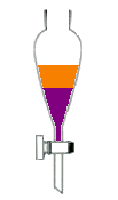
Liquids that do not mix may be separated by using..
a)
an evaporating dish
b)
a separating funnel
c)
a loading
d)
a sedimentation
36.
If a solid disappears when added to a liquid (like when sugar is stirred in water)... it is said to have...
a)
Formed a solute
b)
Dissolved
c)
Formed a solvent
d)
Become insoluble
37.

Filtering is

a)

Separating a soluble solid and solvent

b)

When one liquid is changed to another liquid

c)

Separating solids from liquids

d)

Separating an insoluble solid from a liquid

38.

The separation technique being used is

a)

Decanting

b)

Filtering

c)

Evaporation

d)

Distillation

39.
Which one of the following would you use to separate sand from iron filings?
a)
a bar magnet
b)
filter paper
c)
chromatography paper
d)
alum
40.
Which one of the following solids is insoluble in water?
a)
sugar
b)
sand
c)
copper sulfate
d)
salt
41.
Name the separation method that causes wet clothes on a clothes line to dry
a)
Chromatography
b)
Filtration
c)
Distillation
d)
Evaporation
42.
Jessica made a pitcher of lemonade. What can she do to dilute if she thinks it doesn't taste right?
a)
Add water
b)
Add sugar
c)
Boil the lemonade
d)
Put it in the refrigerator 
43.
In filtration, the liquid part collected is called the filtrate and the solid bit that remained on the filter paper is called the residue.
In filtration, what is the part that remains called?
a)
Solid
b)
Filtrate
c)
Remainder
d)
Residue
44.
Of these mixtures, which one is a solution?
a)
A
b)
B
c)
C
d)
D
45.
The clear liquid which passes through the filter paper is called
a)
filt
b)
filter
c)
filtrate
d)
filtration
46.
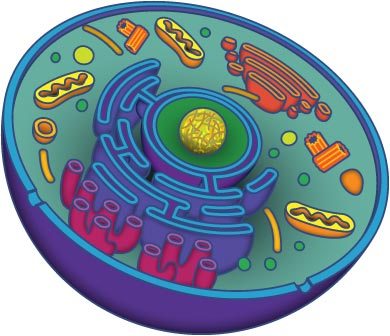
The ___________ is the basic unit of life
a)
organ
b)
cell
c)
atom
d)
tissue
47.
Directs all cell activities through the DNA located there.
a)
Lysosomes
b)
Nucleus
c)
ribosomes
d)
Mitochondria
48.
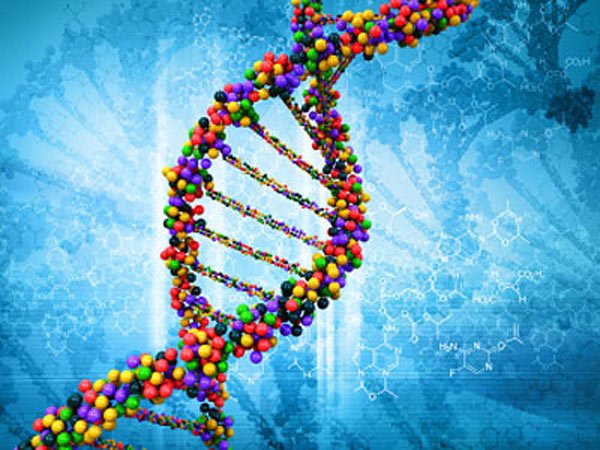
What is the name of the genetic material that is inside the nucleus?
a)
ER
b)
ATP
c)
YOLO
d)
DNA
49.
Which part of the cell is often called "the brain of the cell"?
a)
nuclear membrane
b)
endoplasmic reticulum
c)
nucleus
d)
mitochondria
50.
I am the outer most layer of an animal cell. What am I?
a)
cell wall
b)
nucleus
c)
cell membrane 
d)
cell skin
51.
All living things are made up of...
a)
cells
b)
cell tissues
c)
organ
d)
organ systems
52.
What is the total magnification of a microscope with two lenses when one lens has a magnification of 10x, and the other lens has a magnification of 30x?
a)
15x
b)
30x
c)
40x
d)
300x
53.
A microscope is an instrument that.
a)
makes faraway objects look closer.
b)
makes small objects appear larger.
c)
decreases the size of small objects.
d)
increases the size of small objects.
54.
When you focus on a new specimen, always begin with
a)
low power and coarse adjustment.
b)
low power and fine adjustment
c)
high power and coarse adjustment
d)
high power and fine adjustment
55.
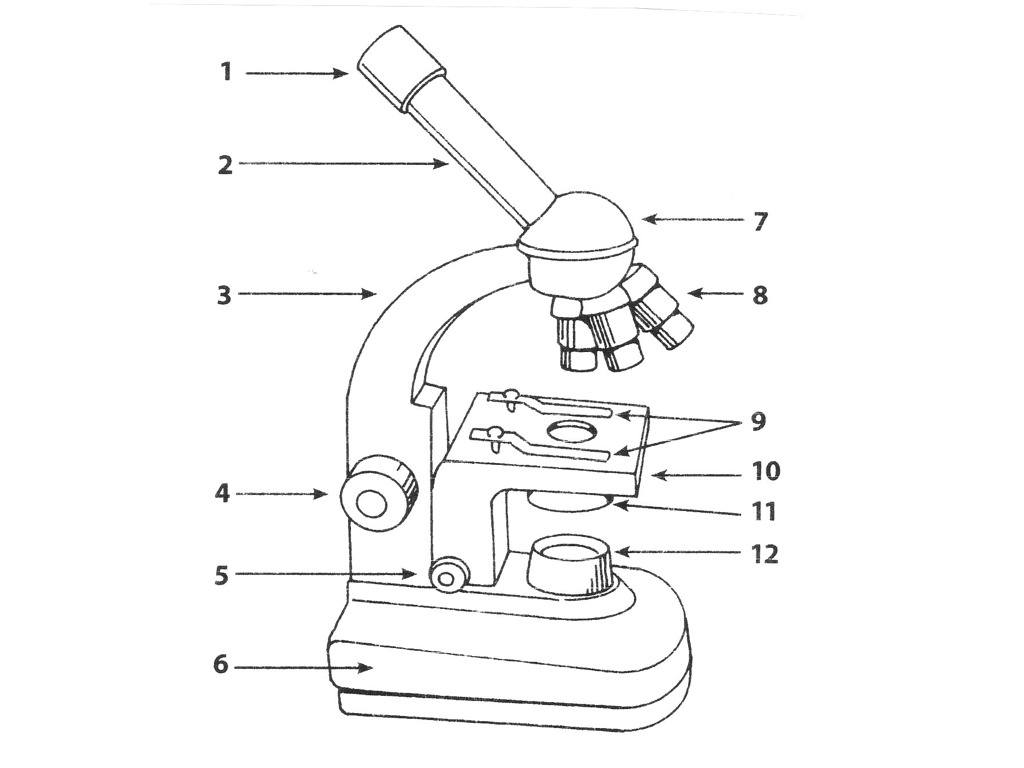
What is part 1?
a)
eye piece
b)
body tube
c)
arm
d)
coarse adjust
56.
What part is 3?
a)
eye piece
b)
base
c)
arm 
d)
coarse adjust
57.
What part is 5?
a)
coarse adjustment
b)
fine adjustment
c)
diaphragm
d)
stage
58.
What is part 11?
a)
coarse adjustment
b)
fine adjustment
c)
diaphragm
d)
stage
59.
What is part 2?
a)
arm
b)
base
c)
body tube
d)
illuminator
60.
What is part 6?
a)
arm 
b)
base
c)
body tube
d)
illuminator
61.
Protein provides energy and helps with muscle development.
Which one of these foods does NOT contain protein?
a)
White meat (chicken)
b)
Red meat (lamb)
c)
Cranberry Juice
d)
Eggs
62.
Carbohydrates are found in foods such as: pasta, bread and porridge.
When eaten, what are Carbohydrates
MAIN FUNCTION?
a)
Energy
b)
Repair
c)
Growth
d)
Maintainence 
63.
True or False:
Vitamin C is used to help heal the body and boost a person's immune system
a)
True
b)
False
64.
True or False:
Too much Iron can lead to fatigue, weakness dizziness and brittle nails.
a)
True
b)
False
65.
How much total fat is in the product per serving?
a)
10g
b)
8g
c)
1g
d)
80g
66.
What % of daily fibre is in this product?
a)
12%
b)
5%
c)
7%
d)
16%
67.
What is the recommended serving size? 
a)
2 cups
b)
2/3 cup
c)
1/2 cup
d)
1 cup
68.
When should this food be eaten?
a)
Always
b)
Never
c)
Every now and then 
d)
Weekly 
69.
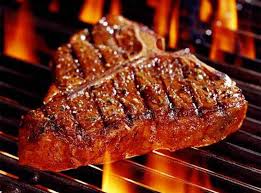
What food group is the above food in?
a)
Grain
b)
Protein
c)
Vegetable
d)
Dairy
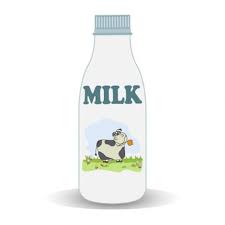
70.
What food group is the above food in?
a)
Vegetable
b)
Fruit
c)
Grain
d)
Dairy
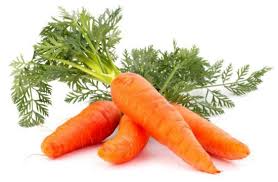
71.
What food group is the above food in?
a)
Dairy
b)
Vegetable
c)
Fruit
d)
Protein
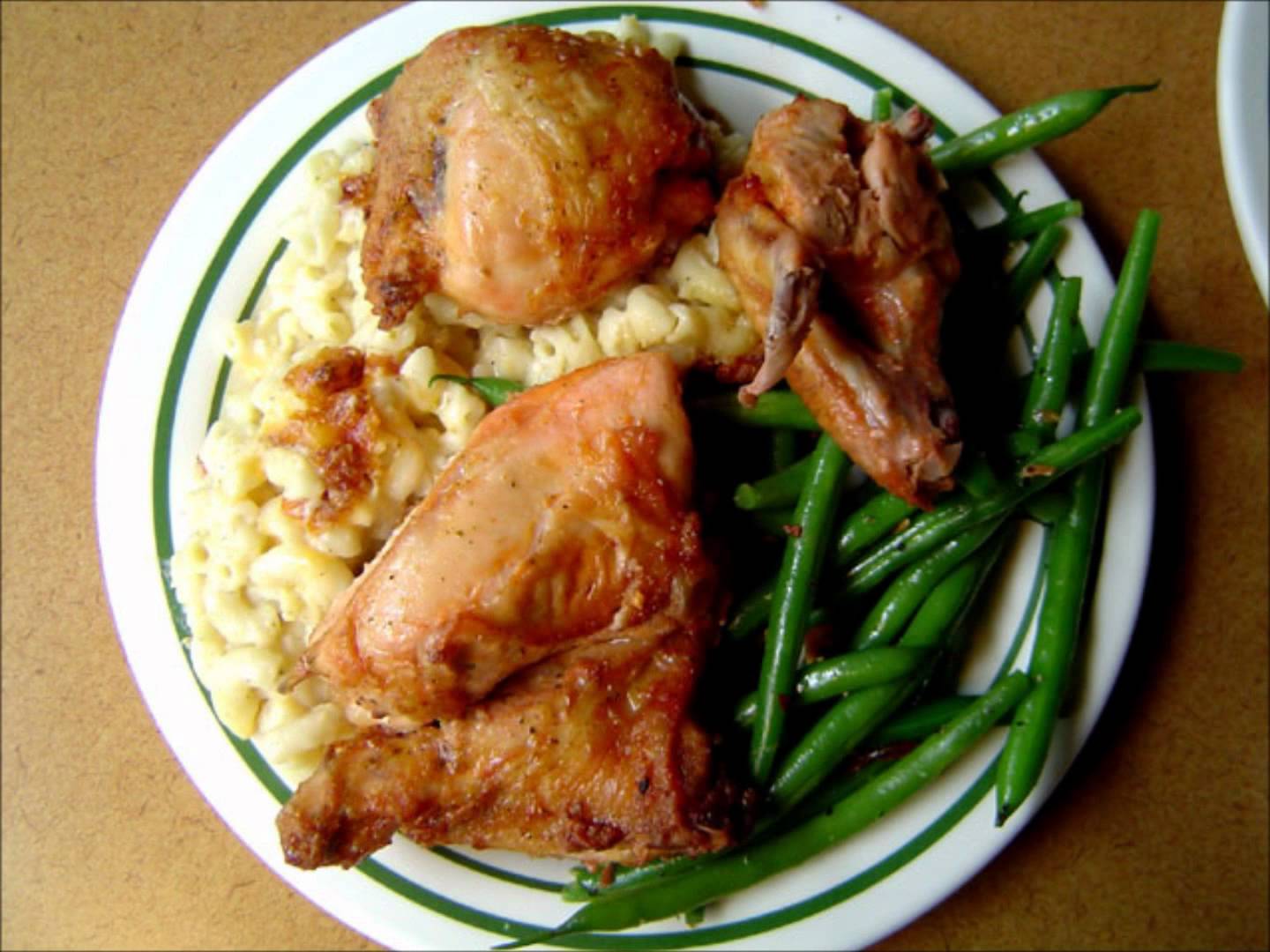
72.

What food group is missing from this plate?

a)

Grains

b)

Fruits

c)

Dairy

d)

Protein

73.
What food group supplies a large amount of protein?
a)
Dairy
b)
Fruit
c)
Meats
d)
Vegetables
74.
Why do we eat fats?
a)
growth
b)
fight disease
c)
energy
d)
be healthy
75.
what do we need to stop dehydration?
a)
vitamins
b)
minerals
c)
carbohydrates
d)
water
76.
Ammonia has a pH of 12.  Ammonia is __________.
a)
an acid
b)
a base
c)
an element
d)
a metal
77.
Soap is a weak base.  What is true about the taste of bases?
a)
they taste sour
b)
they taste sweet
c)
they taste bitter
d)
they taste salty
78.
Explain what happens when a strong acid and a strong base are poured into the same container.
a)
they form separate layers
b)
they mix physically but not chemically
c)
they break apart into separate elements
d)
they react chemically to form a salt
79.
Which of these solutions is an acid?
a)
Dish Soap: pH of 12
b)
Tomato Soup: pH of 4
c)
Baking Soda: pH of 9
d)
Drain Cleaner: pH of 14
80.
What does the pH scale measure?
a)
the concentration of acids and bases
b)
the malleability of a metal
c)
the temperature of the water in a swimming pool
d)
the amount of phosphorus in a compound
81.
The pH of vinegar is 2.5.  Vinegar is a _____________.
a)
strong acid
b)
strong base
c)
weak base
d)
weak acid
82.
Which of the following is true about acids and bases?
a)
The lower the pH, the stronger the acid
b)
the higher the pH, the stronger the acid
c)
The lower the pH, the more neutral the acid
d)
The higher the pH, the weaker the base
83.
Which statement is true when acids and bases are mixed together?
a)
acids become stronger
b)
bases become stronger
c)
there is no change
d)
they neutralize each other
84.
Ranging from 0 to 14, a pH value indicates how acidic or basic a solution is.  Which of these pH values would be a strong acid?
a)
2
b)
6
c)
9
d)
13
85.
What is the pH of water?
a)
0
b)
4
c)
7
d)
14
86.
Williams collected a rain sample and measured its pH to be 5.6.  What does this mean?
a)
the rain water is a weak base
b)
the rain water is neutral
c)
the rain water is a strong acid
d)
the rain water is a weak acid
87.
Litmus paper can tell you if a solution is acidic, neutral or basic by changing color when placed in a solution.  If you test a base with litmus paper, it will turn ____________.
a)
purple
b)
red
c)
blue
d)
pink
88.
What is not a function of the digestive system?
a)
Create new foods
b)
Absorb water
c)
Process waste
89.
What is an example of chemical breakdown?
a)
Chewing
b)
Saliva
c)
Peristalsis
90.
What begins the process of mechanical breakdown?
a)
the mouth
b)
the esophagus
c)
the pancreas
91.
What begins the process of chemical breakdown?
a)
Liver
b)
Salivary glands
c)
Colon
92.
What starts the process of chemical breakdown?
a)
Saliva
b)
Oxygen
c)
Hydrogen
93.
What churns food and breaks it down further using strong acids?
a)
Stomach
b)
Salivary glands
c)
Liver
94.
Where does most digestion occur?
a)
Stomach
b)
Salivary gland
c)
Small intestine
95.
What stores bile?
a)
Colon
b)
Gall Bladder
c)
Small Intestine
96.

What is the main function of the circulatory system?

a)

secrete enzymes

b)

digest proteins

c)

produce hormones

d)

transport materials

97.

Which gas is transported by the circulatory system in humans and is used by cells during respiration to release energy stored in food?

a)

carbon dioxide

b)

nitrogen

c)

hydrogen

d)

oxygen

98.

What is the main organ of the circulatory system?

a)

small intestine

b)

bone

c)

lungs

d)

heart

99.

Arteries carry oxygen rich blood away from the heart.

a)

True

b)

False

100.

Veins carry oxygen poor blood back to the heart.

a)

False

b)

True

101.

The job of the heart is to . . .

a)

pump blood around the body.

b)

send food to the small intestines.

c)

break down food.

d)

give energy to the body.

102.
______________ are the smallest blood vessels.
a)
Arteries
b)
Veins
c)
Capillaries
103.
White blood cells
a)
allow for gases to exchange
b)
give blood its color
c)
fight infection and disease
d)
help clot blood
104.

What is the respiratory system?

a)

The system that helps you breathe.

b)

The system that transports blood.

c)

The system that helps you move.

d)

The system that sends electrical signals.

105.

What is the major organ of the respiratory system?

a)

heart

b)

lungs

c)

diaphragm

d)

kidneys

106.

These tiny air sacs are found in the lungs:

a)

alveoli

b)

bronchi

c)

bronchioles

d)

trachea

107.

Which of these correctly maps the flow of air entering the body?

a)

nose - bronchi - trachea - lungs

b)

nose -lungs- trachea - bronchi

c)

nose - trachea - bronchi - lungs

108.

The windpipe is also known as the _______.

a)

trachea

b)

alveoli

c)

bronchi

d)

pharynx

109.

The trachea splits into 2 branches that connect to the lungs. These branches are called _____.

a)

alveoli

b)

bronchioles

c)

bronchi

d)

alveolus

110.

Bronchi branch into even smaller tubes called _______.

a)

alveoli

b)

bronchioles

c)

tubules

d)

pulmonary vessels

111.

What function do alveoli perform?

a)

the exchange of lymph between air and lymph nodes

b)

the exchange of blood between the heart and lungs

c)

the exchange of gases between the lungs and the bloodstream

d)

the removal of water from oxygen

112.

T/F: Alveoli are surrounded by blood vessels called capillaries.

a)

true

b)

false

113.

What is the main function of the diaphragm?

a)

airway tubes that branch off the Trachea and enter the lungs

b)

the windpipe that connects the mouth and nose to the lungs

c)

a muscle below the lungs responsible for inhalation and exhalation

d)

organ responsible for gas exchange

114.

Where is the diaphragm located?

a)

below the heart

b)

on each side of the bronchi

c)

at the top of the left lung

d)

below the lungs

115.

The main function of the respiratory system is to supply the blood with___________.

a)

oxygen

b)

water

c)

nitrogen

d)

carbon dioxide

116.

Small sacs in the lungs that allow oxygen and carbon dioxide to move between the lungs and the bloodstream.

a)

alveoli

b)

lungs

c)

diaphragm

d)

bronchus

117.

Identify this part of the respiratory system.

a)

bronchioles

b)

trachea

c)

alveoli

d)

lungs

118.

Identify this part of the respiratory system.

a)

lungs

b)

bronchus

c)

trachea

d)

diaphragm

119.

Identify this part of the respiratory system.

a)

trachea

b)

alveoli

c)

lungs

d)

diaphragm

120.

Resources that are not able to be reproduced as quickly as they are used are called _____.

a)

renewable resources

b)

replaceable resources

c)

non renewable resources

d)

non replaceable resources

121.

Geothermal energy uses heat from ____ to produce electricity.

a)

the earth

b)

coal

c)

oil

d)

natural gas

122.

Coal is burned to heat water so that the _______ can turn turbines.

a)

fire

b)

steam

c)

water

d)

heat

123.

Renewable resources ...

a)

are not replaceable

b)

are used more frequently than non renewables

c)

are never going to run out

d)

going to run out

124.

What are fossil fuels?

a)

coal, oil, uranium

b)

oil, natural gas, uranium

c)

coal, oil, natural gas

d)

geothemals, coal, natural gas

125.

What type of power plant uses scraps from farming, waste products and wind to generate electricity?

a)

Hydroelectric Power Plant

b)

Geothermal Power Plant

c)

Biomass Power Plant

d)

Nuclear Power Plant

126.

Uranium atoms are split to create a tremendous amount of heat in a _____ power plant.

a)

biomass

b)

geothermal

c)

nuclear

d)

hydroelectric

127.

Which of the following process is used in a turbine?

a)

Converting fuel into heat

b)

Converting thermal energy in steam to mechanical energy

c)

Electromagnetic induction

d)

Converting electrical energy into mechanical energy

128.

Name the type of power station.

a)

Thermal Power Station

b)

Nuclear Power Station

c)

Hydroelectric Power Station

d)

Biomass Power Station

129.

Name the type of power station.

a)

Thermal Power Station

b)

Nuclear Power Station

c)

Wind Power Station

d)

Solar Power Station

130.

In a thermal power station, where is steam produced?

a)

Furnace

b)

Boiler

c)

Turbine

d)

Transformer

131.
Are located in hilly areas where dams can be built and large water reservoir can be obtained.
a)
Hydroelectric power station
b)
Nuclear power station
c)
Gas turbine power station
d)
Steam power station 
132.

Uses Uranium in _______ power station.

a)

Hydroelectric

b)

Nuclear

c)

Oil

d)

Wave

133.

Energy transfer when fuel is burnt in a thermal power station.

a)

Kinetic --> heat

b)

Heat --> chemical

c)

Chemical --> Heat

d)

Electric --> Light

134.

Name the type of power station,

chemical-->heat-->kinetic-->electrical

a)

Thermal Power Station

b)

Nuclear Power Station

c)

Wind Power Station

d)

Solar Power Station

135.

Which measurement would you use to measure the following?

the volume of a soda bottle

a)

centimetres

b)

litres

c)

kilograms

d)

grams

136.

Which measurement would you use to measure the following?

your mass

a)

centimetres

b)

litres

c)

kilograms

d)

millilitres

137.

Which measurement would you use to measure the following?

the volume of a glass of water

a)

millimetres

b)

millilitres

c)

milligrams

d)

grams

138.

Which measurement would you use to measure the following?

the distance from school to the mall

a)

kilometres

b)

kilolitres

c)

kilograms

d)

cetimetres

139.

Which measurement would you use to measure the following?

the length of a pencil

a)

centimetres

b)

metres

c)

milligrams

d)

grams

140.

True or False:

1 litre is the same as 1000 millilitres

a)

True

b)

False

141.

How many millilitres are in a 2 litres?

a)

2

b)

20

c)

200

d)

2000

142.

How many grams are in 5 kilograms?

a)

5

b)

50

c)

500

d)

5000

143.

4 l = _____ ml

a)

40

b)

400

c)

4,000

d)

40,000

144.

7 km = ________m

a)

70 m

b)

700 m

c)

7,000 m

d)

70,000 m

145.

9 cm =

a)

90 cm

b)

90 mm

c)

900 mm

d)

9,000 mm

146.

1 km = _____ m

a)

10

b)

100

c)

1,000

d)

10,000

147.

2 m = ______ cm

a)

20

b)

200

c)

2000

d)

24

148.

Which unit of measurement is greatest?

a)

metres

b)

millimetres

c)

centimetres

d)

kilometres

149.

1 m = _______ cm

a)

1

b)

10

c)

100

d)

1000