
 Worksheets
7th Grade Social Studies Year in Review
Total questions: 45
Worksheet time: 30mins


Why did the senators stab Juius Caesar?
They thought he was going to have them killed.
They knew he was planning to begin another war.
They were afraid he was becoming too powerful.
They thought he was a very untrustworthy leader.
What is the difference between the Republic and the Empire?
The Republic was run by a president. The Empire was ruled by the consul
The Republic was ruled by the Senate, the Assemblies, and the people. The Empire was ruled by one man - a dictator/emperor
The Republic is all about wealth and expanding the territory. The Empire gives money to all citizens
The Republic is the name given to the government lasting a long time. The Empire is shorter.

What conclusion can be made about this map?
The Western Empire is stronger than the East
The West had to defend against invasions much more frequently
The East had to defend against invasions much more frequently
The Eastern Empire is where Rome is located
Why did the Romans call the Mediterranean "Mare Nostrum" (our sea)?
Caesars purchased the sea from the Greeks
Romans discovered the Mediterranean Sea
Rome had gladiator games on the sea
Romans conquered/controlled all of the territory surrounding the Mediterranean
What were two reasons for the end of the Roman Republic and the shift toward a dictatorship/empire?
Generals paying soldiers, changing loyalty of military
Enemies were terrified of Rome
All the citizens were taxed equally
Generals who became dictators refused to give up their power after 6 months
What two things was Emperor Constantine most known for?
Being first emperor of Rome
Legalizing Christianity
Moving the capital to the Eastern Empire
Defeating the Greeks
Which of the following are examples of checks and balances in the Roman Republic?
Two consuls were used instead of one, and they served one year terms
Caesar had complete control
Senate, Assemblies, and consuls shared power
Twelve Tables were written by the Greeks
What is an example of evidence that the Roman Empire was intimidated by Christianity?
They offered to pay them to leave Rome
The emperors made friends with the Christian leaders
The emperors were often cruel and harsh to Christians
The empire was afraid Christians would steal their money

(Also, the largest city-state by a wide margin)

Democracy in Athens meant that...
all men could vote
all men and women could vote
all male citizens could vote
all members of the Oligarchy could vote
How did Europe change in the years after the fall of Rome?
Christianity was introduced
They all became Byzantine
Many different kingdoms were created
They had a 1,000 years of peace
What was feudalism?
a religion
economic/political system
agricultural/farming technique
war tactics
What statements about feudalism are true? Select ALL that apply
Feudalism was a way for the pope to control the learning
It was a hierarchy of power with kings/lords at the top, knights in the middle, and peasants/serfs at the bottom
It gave power to the land-owning lords while also providing a way for knights to protect the manor
It was very advanced farming techniques to help serfs be set free
The land that was exchanged between a lord and vassal was called a _____________
feudal
manor
monarch
fief
What person in feudalism is most likely to feel this way: "I pledge my loyalty, taxes, and service to the lord. When the people living on the manor need protected, they can count on me."
lord
monarch
serf
knight
The primary motivation of the Crusades was to...
convert all of the Jews to Christians
reclaim the city of Rome for the Empire
defeat the Vikings
win over the city of Jerusalem to Christianity
The church had great power and influence in the European Middle Ages. What statements below is evidence for that? Select ALL that apply
The Crusades recruiting thousands of soldiers to fight
The pope was a quiet and simple leader
The Church stayed out of politics
The Church was very organized and controlled lots of land/wealth during this time

Who was the fiercest Mongol leader?
Empress Wu
Genghis Khan
Confucius
Marco Polo


What does this map represent?
The entirety of the Silk Road
The Eastern Roman Empire
The territory the Mongols had control of at their peak
The spread of Islam
The Mongols conquered most of what continent?
Africa
Asia
America
Europe
Who was Marco Polo and why was he important?
He was a military adviser to Genghis Khan, important because of his ability to lead armies
He was a European traveler who wrote about his journeys to Asia and he influenced later explorers to do similar journeys
He was an important religious leader in the Buddhist faith
He overthrew Kublai Khan and prevented the Mongols from taking over Japan
What happened when the Mongols tried to invade Japan?
They were successful in expanding the empire across the Pacific
The Yuan dynasty helped the Mongols defeat the Japanese
Storms and samurai prevented the Mongols from expanding and conquering Japan
The Japanese surrendered and became part of the Mongol empire
What did the Forbidden City look like?


What are TWO characteristics of Genghis Khan based on what we read in primary sources?
He was a very forgiving man, well loved by all of his enemies
He ruled a very strict empire, punishing anyone who would cross him or rebel
He was a very successful leader that built up great wealth and territory
He was a man of the people, encouraging all to vote on key issues
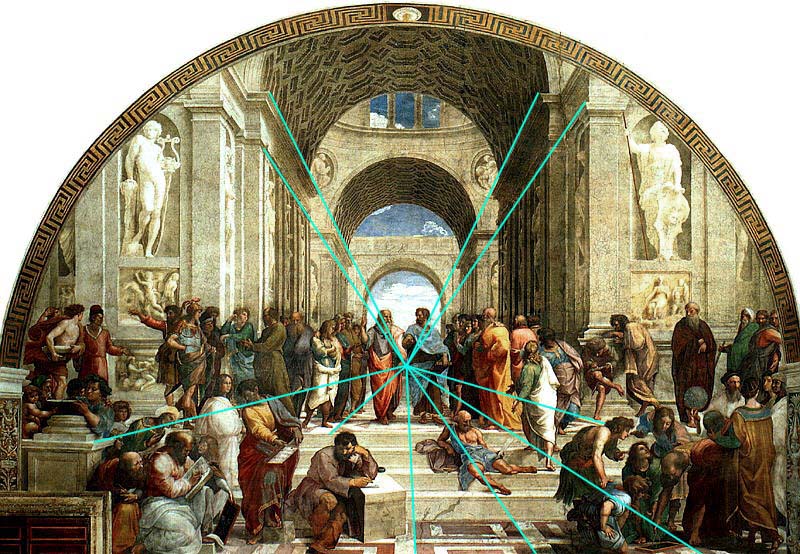
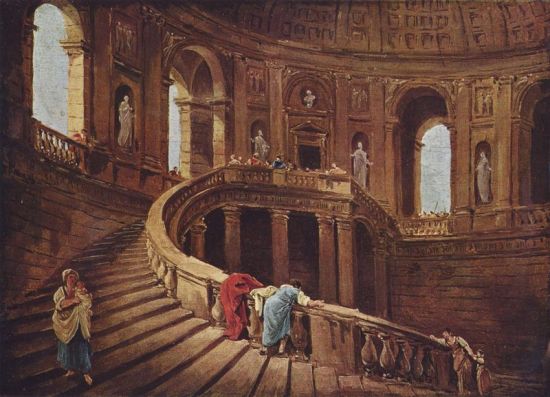
This artwork is an example from what period of time?
The invention of the _______________________ helped spread old and new ideas
Printing Press
Microscope
Thermometer

