
Font size
 Worksheets
Rates of Reaction & Endo/Exothermic Reactions
Total questions: 25
Worksheet time: 19mins

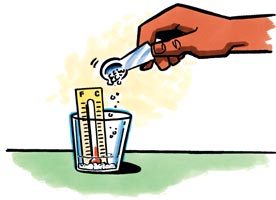
O2(g) + 2 H2 (g) → 2 H2O (g) + Energy
endothermic
exothermic
6 CO2+ 6 H2O + Energy → C6H12O6 + 6 O2
endothermic reaction
exothermic reaction
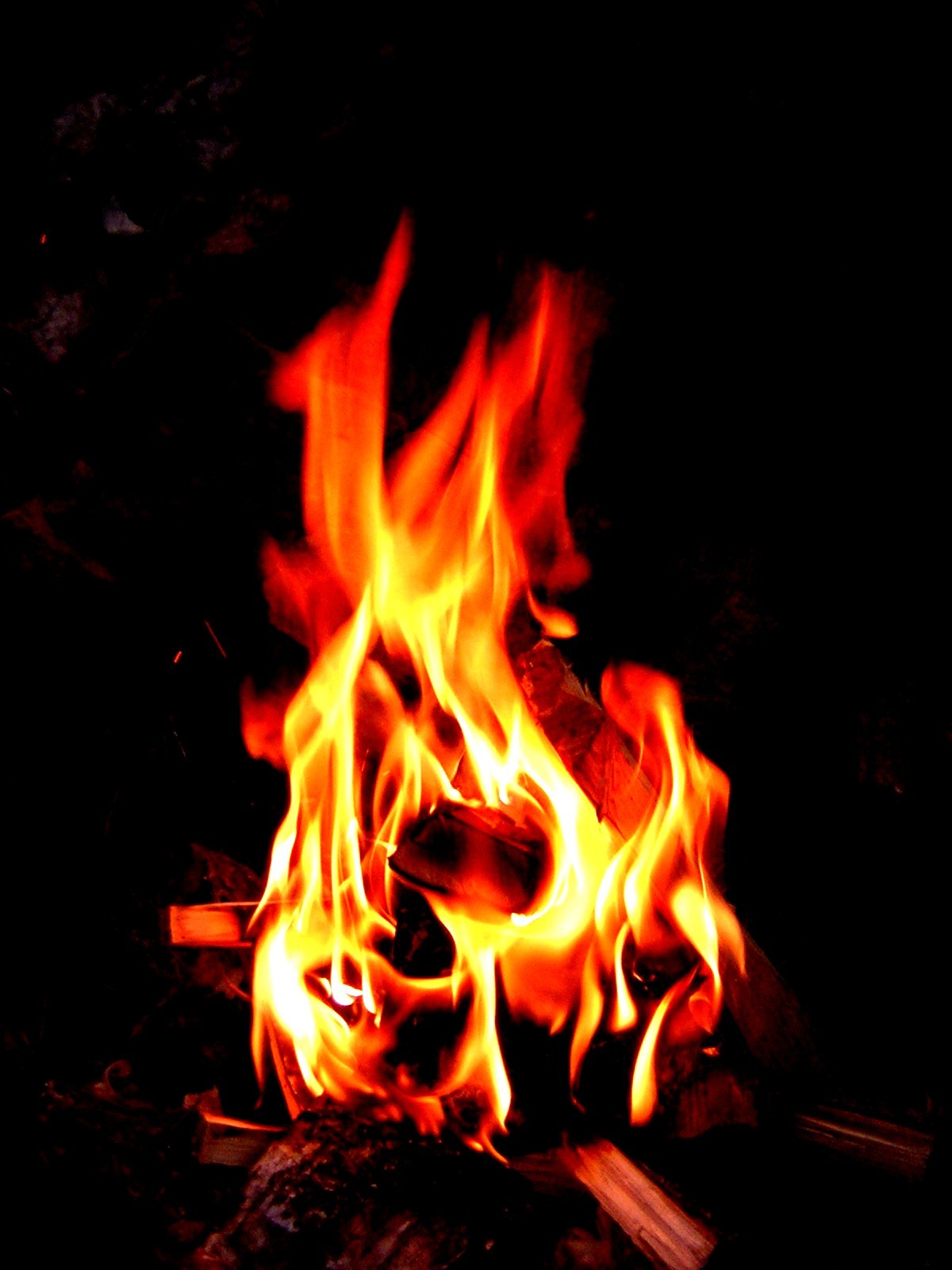
_____ reactions usually feel hot!
endothermic
exothermic
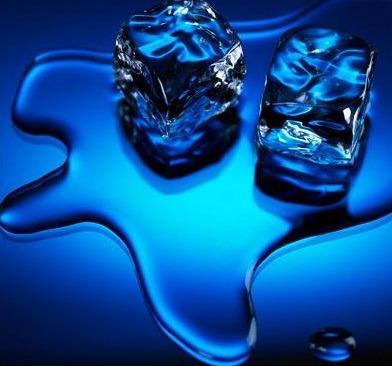
____ reactions usually feel cold.
endothermic
exothermic

How much activation energy is needed for this reaction?
300 KJ
500 KJ
400 KJ
100 KJ
Are the products or reactants of this reaction storing more energy in their chemical bonds?
Both storing the same
No way to tell
Products
Reactants
What type of reaction is this?
Exothermic
Endothermic
Energy Producing
No way to tell
What does catalyst do to a reaction?
Slows down the reaction
Nothing changes
Speeds up the reaction
What do you call the energy that is required to start a reaction?
Alternative energy
Activation energy
Atmospheric energy
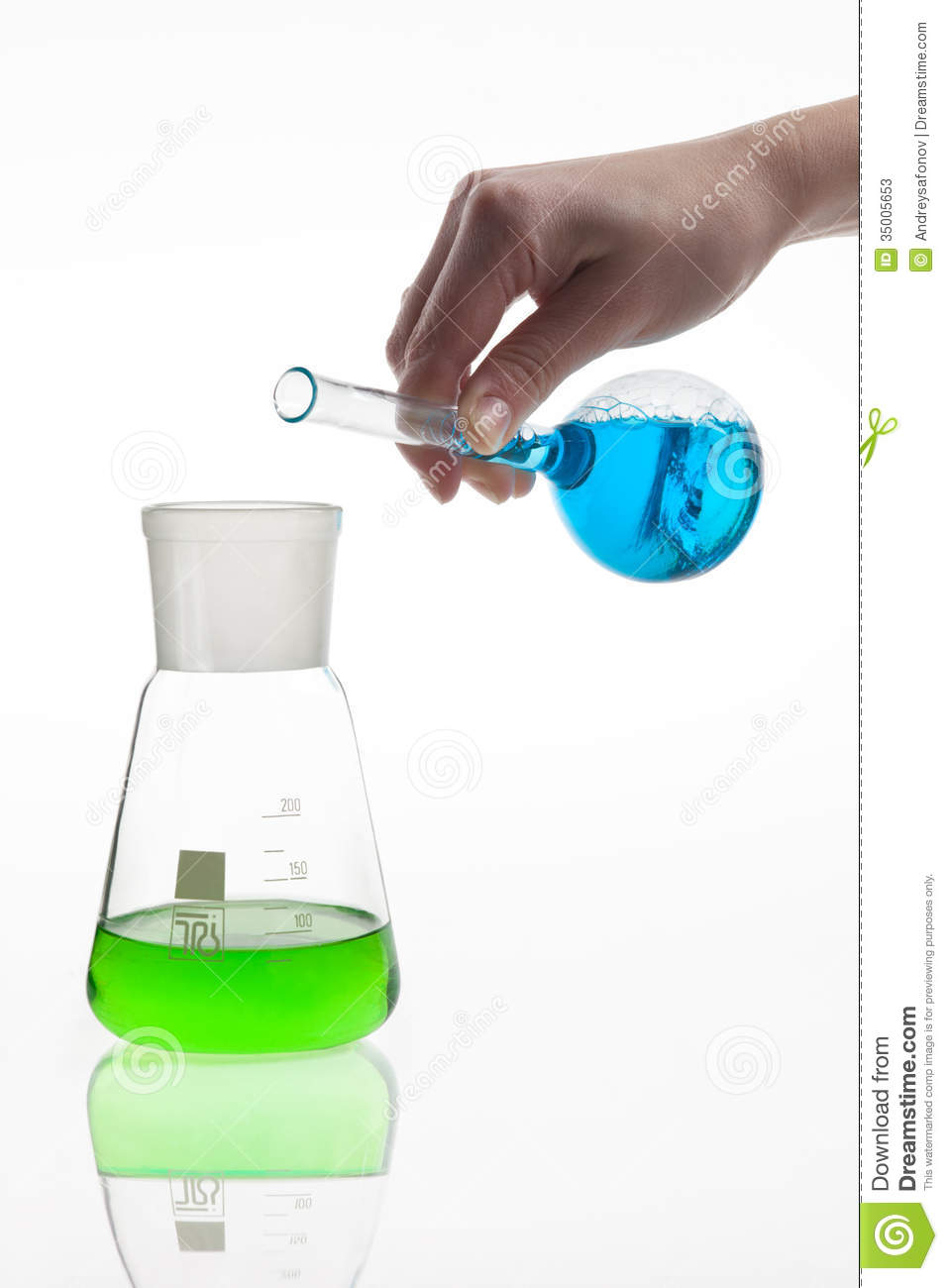
A student mixed two chemicals to allow them to react. The temperature before the reaction was 25 ° C. The temperature after the reaction was 18° C. Which of the following is true?
It is an exothermic reaction
It is an endothermic reaction
Why does a higher temperature increase the rate of a reaction?
it increases both the frequency and energy of particle collisions
it only increases the frequency of particle collisions
it only increases the energy of particle collisions
it reduces the activation energy of the reaction
Adding a catalyst ___________ the activation energy.
Raises
Lowers
Doesn't affect
Inreases
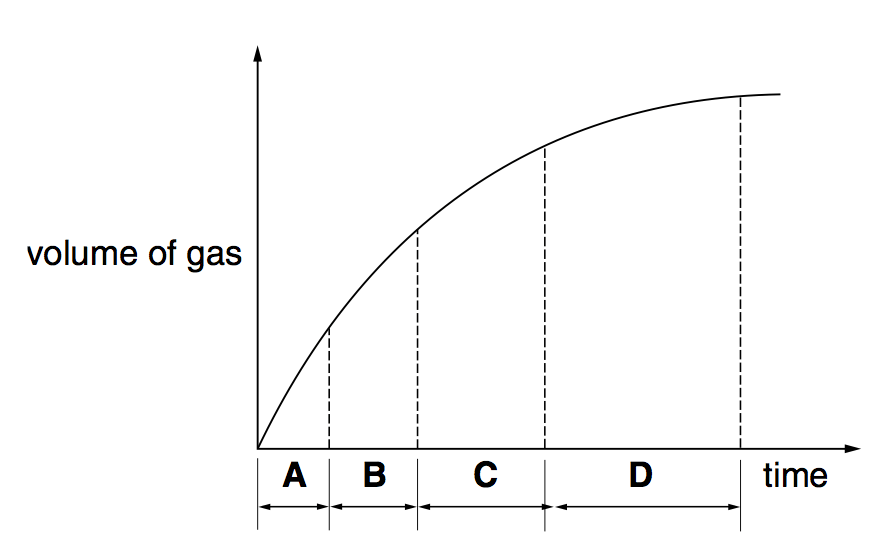
The major theory of reaction rate is called
Collision theory
Crash theory
Newton's laws
Thermodynamics

List four factors that affects the rate of a reaction
temperature
concentration
surface area
volume
catalysts
A temperature increase causes the particles ......
to slow down
move faster
collide higher
in the right order
When we investigate the rate of reaction we are looking at the...
amount of product formed
speed of reaction
concentration of reacting particles
combining reactants with products
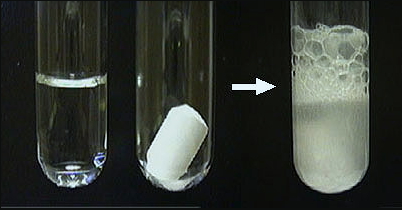
How could we make this reaction happen more quickly?
Decrease the concentration of the acid
crush the chalk to increase the surface area
Put the test tube in an ice bath
When surface area is decreased the rate of reaction...
Decreases, because there are LESS possible sites for correct collisions
Increases, because there are LESS possible sites for correct collisions
Decreases, because there are MORE possible sites for correct collisions
Increases, because there are MORE possible sites for correct collisions

