wayground logo

Free Printable Worksheets

NEW

Font size

S
M
L
XL
Worksheets

Weather/Water in the Atmosphere

Total questions: 22

Worksheet time: 28mins

Name
Class
Date
1.
A device that is used to measure atmospheric pressure is a ___________.
a)
barometer
b)
thermometer
c)
kilometer
d)
micrometer
2.
What is altitude?
a)
how much something weighs
b)
the distance above sea level
c)
how big something is
d)
how far away something is
3.
What Causes differences in air pressure around earth ? 
a)
Warm air rises at the equator, and cold air sinks at the poles.
b)
Equator gets over heated 
c)
Snow 
4.
_______ pressure systems are characterized by fair weather.
a)
High
b)
Low
5.
At the poles, air is usually ________.
a)
rising
b)
sinking
6.
At the equator the air is usually ________.
a)
rising
b)
sinking
7.

The Air Pressure and Altitude Rule states: As altitude increases air pressure _________

a)

increases

b)

decreases

c)

stays the same

8.
The term used to describe the condition of Earth's atmosphere at a given place or time is ________________.
a)
climate
b)
weather
c)
systems
d)
status
9.
Air pressure does not crush you because molecules in air push ____________________.
a)
inward only
b)
outward only
c)
in all directions
10.
__________________ is the result of the weight of a column of air pushing on an area.
a)
Velocity
b)
Air pressure
c)
Weather
d)
Density
11.
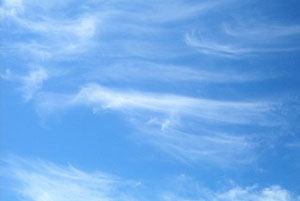
This type of cloud is thin, wispy, and made of ice crystals
a)
cumulus cloud
b)
stratus cloud
c)
cirrus cloud
d)
cumulonimbus cloud
12.
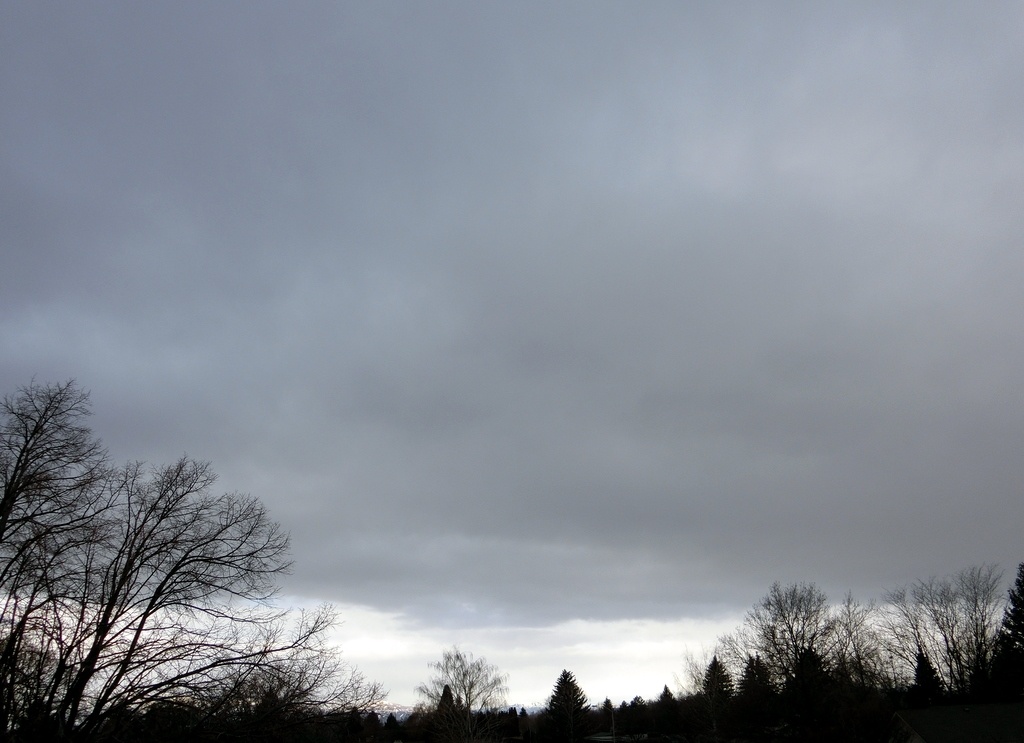
This type of cloud is thin and flat, and the edges are not clearly defined
a)
cirrus cloud
b)
cumulus cloud
c)
stratus cloud
d)
cumulonimbus cloud
13.
This type of cloud is thick and puffy on top, and generally flat on the bottom. It has well-defined edges and can change shape rapidly.
a)
cumulus cloud
b)
stratus cloud
c)
cirrus cloud
d)
cloud 9
14.

This phrase means "rain."

a)

Cumulo

b)

Cirrus

c)

Strato

d)

Nimbo

15.

Low level extending vertically. Better prepare for a storm!

a)

Cumulus

b)

Altostratus

c)

Cumulonimbus

d)

Cirrostratus

16.

Low level and "puffy."

a)

Cumulus

b)

Altostratus

c)

Cumulonimbus

d)

Cirrostratus

17.

Clouds are formed by the process of ______________________.

a)

precipitation

b)

evaporation

c)

condensation

d)

collection

18.

What is precipitation?

a)

solids falling from the sky

b)

precipitation

c)

any form of water that falls from clouds and reaches earth's surface

d)

liquids falling from the sky

19.
What type of precipitation forms when raindrops fall through cold layer of air and freeze before they hit the ground? 
a)
Sleet
b)
Snow
c)
Rain
d)
Hail
20.

Air is warmer and less dense at the equator because the equator receives more____________________.

a)

wind

b)

solar radiation

c)

air pressure

d)

condensation

21.
The Coriolis effect is the curving of wind across Earth. What causes winds to curve?
a)
Earth's revolution
b)
Earth's magnetic field
c)
Earth's rotation
d)
Earth's gravitational pull
22.

Wind and Wind belts are always named according to...

a)
how strong they are
b)
what temperature they are
c)
where they blow to
d)
where they come from