
 Worksheets
9 Weeks Review
Total questions: 30
Worksheet time: 15mins

What does the map represent?
Urban centers of South Asia
Urban Centers of East Asia
Urban Centers of Europe
Urban Centers of South America
Hindu?
A person who practices Hinduism, can't eat cow
passive resistance campaign of Gandhi
Indian Soldiers
Warrior class in Indian Society
Ancient China was isolated from other groups/countries because of what physical features?
Skyscrapers
Rivers
Mountains, Deserts, Oceans, and Jungles
City-States
How many earthquakes are reported yearly along the ring of fire?
100
1,500
237
1 Billion
A treaty signed in 1959 affected Antarctica in which of the following ways?
Sent all resources to Australia
Closed it to outsiders
Set it aside for Scientific Research
Ended a war with New Zealand

What crop grows best in the tropical humid climate of the equator?
Corn
Cotton
Wheat
Coffee

The Silk Road was important to East Asia for which of the following reasons?
Decreased trade between the Atlantic and Pacific Ocean
Made more wealth for people through trade
It made trade easier in Latin America
Decreased trade between Egypt and Sudan

What is the significance of this headline?
There are no elections in India
India has seasonal rains
Untouchables are outcast and often given the worst jobs in society. Having an untouchable President means power will be given to the powerless.
India has a treaty with Pakistan
Japans main source of revenue comes from ________, even though they have limited resources.
manufacturing and technology
agriculture
minerals
The Silk Road
Ding Xiaoping is well known for his "open door policy" in China. Which economic system does Xiaoping use to merge Communism and Capitalism?
Free Market
Totalitarian
Laissez Fair
Socialism with Chinese characteristics

Tourism is an example of which type of Industry?
Service
Agriculture
Retail
Manufacturing
Treating our parents/elders with reverence (respect) is the teaching of which of the following?
Hinduism
Daoism
Confucianism
Islam

Which of the following describes the effect of the political beliefs on nuclear technology in North Korea?
Nuclear technology in contrary to socialism teachings
The government develops nuclear technology because the country emphasizes defense
Nuclear technology may be used in the medical field only
Kim Jong Un threatens other nations

The majority of Nepal is dominated by what physical feature?
Mountains such as the Himalayas and Mt. Everest
River Deltas
Deserts
Tropical Rainforrest
Mining is an example of which type of Industry?
Manufacturing
Service
Retail
Agriculture

Hindus are mostly vegetarian.
False
True
N/A
N/A

What presents the greatest threat to the coral reef?
typhoons
starfish
El Nino
Pollution
Most people moving to the Australia or within the Australia probably settle near which of the following?
natural resources
mountains
fishing streams
open prairies
Australia's interior is the least densely populated part of the country, which is mostly due to —
distance
conflict
altitude
climate

Which of the following health disasters were caused by the 2011 tsunami that hit Japan?
The destruction of the tropical rainforest and the resulting widespread drought that followed
A nuclear power plant meltdown and leaks of radioactive water and vapor
A total change in government in order to control the people who suddenly had no homes
The sudden deaths of thousands when the giant water hit

What's the most negative issue facing the Great Coral Reef today?
Fishing
Pollution
Industry
Tourism

Describe India's location.
South Asia next to China in the Northern Hemisphere
Next to Africa in the Western Hemisphere
Near Antarctica
South of Canada

What country most influenced Buddhism?
China
Thailand
Viet Nam
India
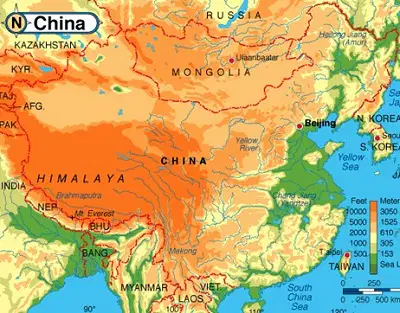
Why is China considered an isolated nation?
Communism
Trade Practices
Geographic barriers such as deserts and oceans
Mongols were good warriors

Population centers are usually near what physical features?
Water (Rivers)
Deserts
Islands
Mountains
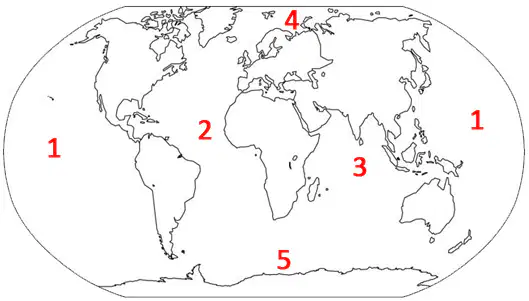
Where is the Pacific Ocean located?
3
5
4
1
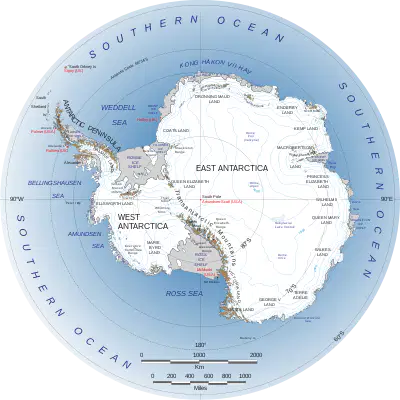
What is the continent of Antarctica mostly used for?
Mining
Scientific Research
Military Training
Tourism
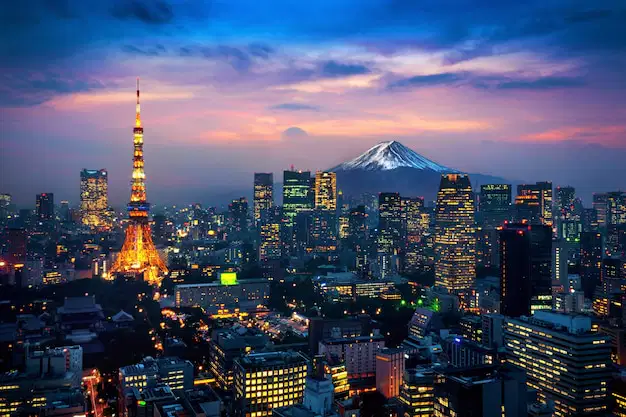
What's one example of HEI in Japan?
Building tunnels to reduce traffic
building dams
Engineering buildings to withstand Earth Quakes
creating rooftop gardens

What color is Pakistan on the map?
Red
Green
Purple
Yellow
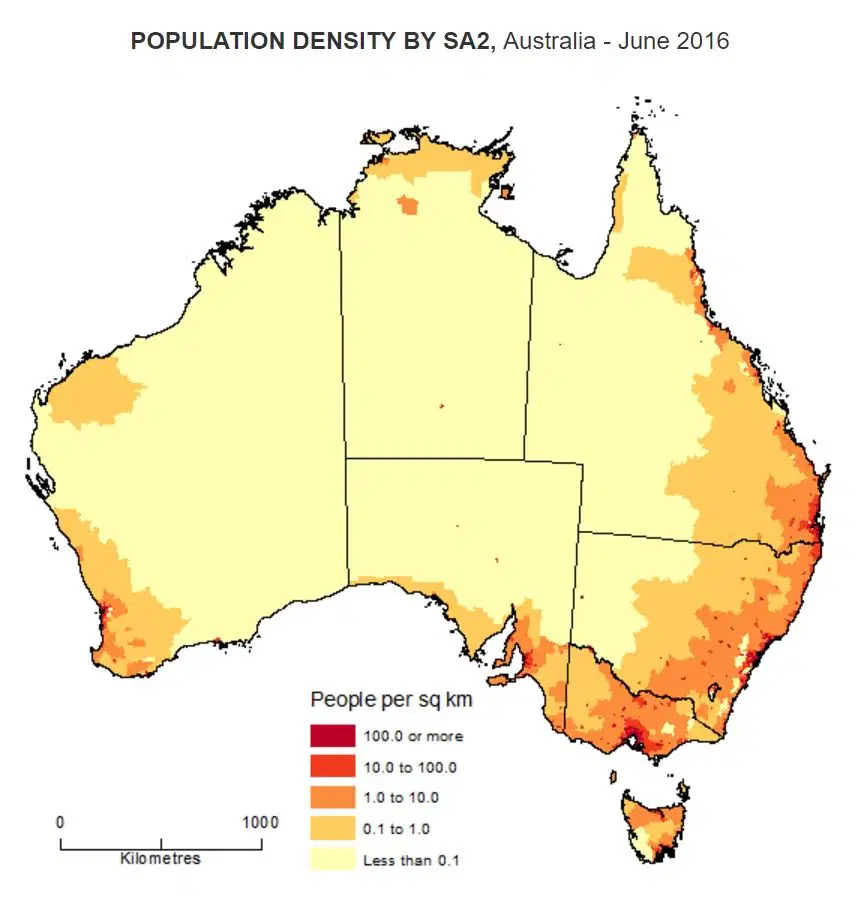
What part of Australia is the least populated?
Northeastern Australia
Southeastern Australia
Near the Coral Reef
Interior

