
 Worksheets
DIdi Geography Test
Total questions: 78
Worksheet time: 41mins

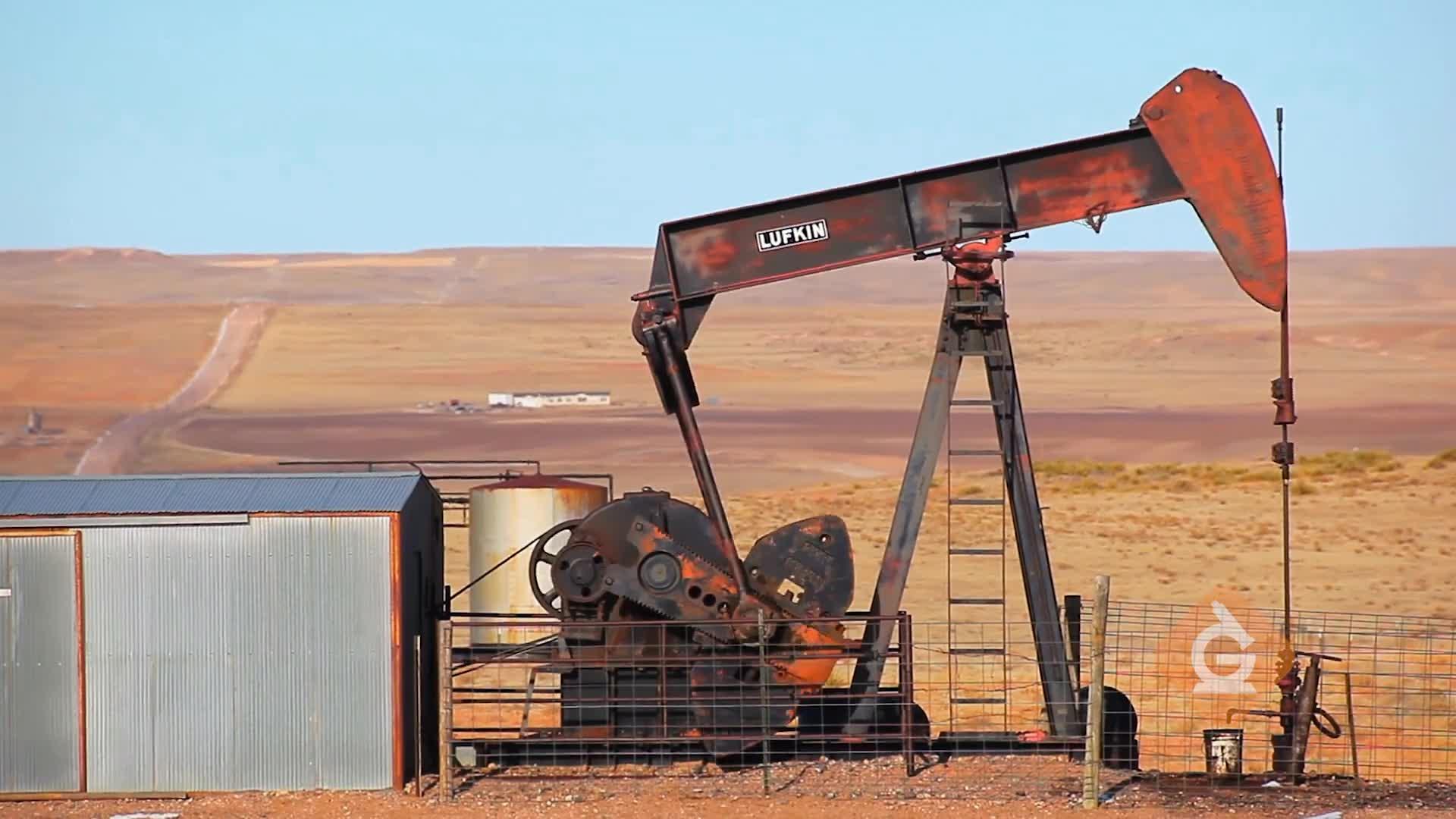
Which are ways we use fossil fuels?
eating and drinking
arts and crafts
paper and building
cars and heat
Resources that are not able to be reproduced as quickly as they are used are called _____.
renewable resources
replaceable resources
non renewable resources
non replaceable resources
Geothermal energy uses heat from ____ to produce electricity.
the earth
coal
oil
natural gas
Renewable resources ...
are not replaceable
are used more frequently than non renewables
are never going to run out
going to run out
What type of power plant uses the potential energy of water trapped behind a dam?
nuclear power plant
hydroelectric power plant
solar station
tidal harness
What are fossil fuels?
coal, oil, uranium
oil, natural gas, uranium
coal, oil, natural gas
geothemals, coal, natural gas
What type of power plant uses scraps from farming and waste products to generate electricity?
Hydroelectric Power Plant
Geothermal Power Plant
Biomass Power Plant
Nuclear Power Plant
Uranium atoms are split to create a tremendous amount of energy in a _____ power plant.
biomass
geothermal
nuclear
hydroelectric
Which of the following energy sources has the drawback of generating radioactive waste.
fossil fuels
nuclear
geothermal
hydroelectric
Which of the following uses tides or waves to generate electricity?
hydroelectric
geothermal
tidal harness
wind

Hydroelectric dams and their technology are expensive to build. Is this a pro or con?
Pro
Con

Fossil Fuels are inexpensive to obtain and use. Is this a pro or con?
Pro
Con
Why do we tend to use non-renewable resources instead of renewable resources?
Less Expensive
More Energy
All of these
What is a disadvantage of using non-renewable resources?
They have a large carbon footprint.
They can all be used up over time.
They can lead to global warming.
All of these.
Which place would be the best place to use solar power
Colorado
Washington State
Alaska
South Pole
Which of the following has the greatest efficiency out of all of the natural resources?
hydroelectric
fossil fuels
solar
geothermal
Which of the following can be a disadvantage of renewable resources?
They can be intermittent (only available at certain times or in certain places).
They release a lot of CO2 and have a large carbon footprint.
They are renewable and will always be available.
Renewable resources have no disadvantages.
Which of these is a renewable energy source?
uranium
natural gas
ethanol
coal
Which of the following resources would be considered renewable?
coal
wind
metal ore
natural gas
What is the term for important nonrenewable resources that formed from the remains of living organisms?
solar particles
mineral sediments
fossil fuels
elemental energy
What is the purpose of recycling?
to produce resources
to conserve resources
to decrease resources
to change resources
After he finishes his lunch, Edwin needs to get rid of his trash. He has the empty paper bag that he brought his lunch in, an empty soda can, a pizza crust that he didn't finish, and a dirty napkin.
Match the item to the action Edwin could do to practice saving resources: Paper Bag
Recycle
Throw Away
After he finishes his lunch, Edwin needs to get rid of his trash. He has the empty paper bag that he brought his lunch in, an empty soda can, a pizza crust that he didn't finish, and a dirty napkin.
Match the item to the action Edwin could do to practice saving resources: Pizza Crust
Recycle
Throw Away
After he finishes his lunch, Edwin needs to get rid of his trash. He has the empty paper bag that he brought his lunch in, an empty soda can, a pizza crust that he didn't finish, and a dirty napkin.
Match the item to the action Edwin could do to practice saving resources: Napkin
Recycle
Throw Away
Clothes are often made from cotton, which is grown from a plant. What kind of resource is cotton?
renewable
nonrenewable
mineral
chemical
Which is NOT a type of fossil fuel?
Coal
Oil
Wood
Natural Gas
How are fossil fuels formed?
They are made in factories
Dead plants and animals died millions of years ago and were buried under heat and pressure
Dead plants were buried under heat and pressure
Dead animals were buried under heat and pressure
How old are fossil fuels?
Millions of years old
A few decades old
Hundreds of years old
They are new
Fossil fuels need a saturated environment (to be under water), in order to form. Why?
Water is life
You have to stay hydrated
The water dissolves them
The water creates pressure
Fossil Fuels also need an anaerobic environment, in order to form. What does that mean
High oxygen
No oxygen
wide open spaces
working out
What do fossil fuels need to form?
High pressure and low heat
High pressure and high heat
Low pressure and low heat
Low pressure and high heat
Do Fossil Fuels get their energy from the Sun?
yes
no
How is it that fossil fuels get their energy from the Sun?
Animals trap the Sun's energy and give it to fossil fuels.
The sun directly gives its energy to fossil fuels.
Fossil fuels absorb energy directly from the sun.
Plants absorb energy from the sun. Some animals eat those plants to gain energy. When the plants and the animals die, some get turned into fossil fuels.
Which fossil fuel is formed only from dead plants in swamps?
Rubber
Petroleum
Coal
Natural Gas
What runs of fossil fuels?
Cars
Electricity
Outdoor Grills
All of the Above
Coal, oil, and natural gas are fossil fuels.
FACT
BLUFF
Fossil fuels are presently the world’s primary energy source.
FACT
BLUFF
Mining is the process of extracting coal, oil, and natural gas from the ground.
FACT
BLUFF
Lignite is the highest-grade coal.
FACT
BLUFF
Fossil fuels are formed in an oxygen-rich environment.
FACT
BLUFF
Oil is an organic material mostly made from algae.
FACT
BLUFF
Natural gas is produced from sedimentary rock formation by forcing chemicals, water, and sand down a well under high pressure.
FACT
BLUFF
Anthracite coal has the lowest fixed carbon content compared to other types of coal.
FACT
BLUFF
Low pressures and temperature facilitate the formation of fossil fuel.
FACT
BLUFF
Natural gas is the Earth’s cleanest fossil fuel
FACT
BLUFF
Which is an example of reducing?
Using the same bag every time you go shopping
Taking a shorter shower to save water
Turning old cans into new cans
Throwing away your trash
Which is an example of recycling?
Using the same bag everytime you go shopping
taking a shorter shower
turning old cans into new cans
throwing away your trash in the garbage can
If i buy a bottle of water and throw it away immediately what is this an example of?
reducing
reusing
recycling
disposal

The 3 Rs stand for
Rest, read and rock on!
Run, rap and resist
Reduce, reuse and recycle
What does RECYCLING mean?
throw away
give things to other people
make new things out of old ones
using things again and again
What should you do with your old clothes?
burn them
throw them into rubbish bin
give to other people
nothing
Select all the things below which are made from fossil fuels.
Plastic bags
Petrol
Metal screws
Pencils
Recycling is the process of:
Buying new things
Taking old or unwanted products and using the materials to make new things.
Putting unwanted products in landfill.
Burning unwanted products.
Select some benefits of recycling:
Uses fewer limited resources.
Uses less energy.
Difficult to separate components of some materials.
Makes less rubbish, which ends up in landfill sites.
Recycling could help to prevent further increases in greenhouse gas level.
True
False
It is important to recycle aluminium because it uses less energy to recycle aluminium than to mine and extract aluminium from aluminium ore.
True
False
Select ways in which mining can harm the environment.
Destroys habitats
Yields materials humans need
Is an energy-intensive process
Causes pollution
What are the benefits of recycling?
Increases carbon dioxide emissions and keeps the planet warm so we are not as cold Mars
Reduces the amount of waste sent to landfills and incinerators, Conserves natural resources, Prevents pollution by reducing the need to collect new raw materials, Saves energy.
Wind farms become more economical and mining companies need to give more money to the poor.
Cars can go faster on recycled petrol
What can you do with your food waste?
Throw it away
Put it in a compost bin
Throw it in your neighbours house
Put it on your garden

The second step in the recycling process includes which of the following?
Processing
Sorting
Collecting
Reusing
Coal and Oil are examples of_____________ resources.
Non-natural
Non-efficient
Non-polluting
Non-renewable
What might happen if we continue burning fossil fuels at the rate we do today? Choose the best answer.
The cost of fossil fuels may drop
Fewer and fewer oil wells and coal mines may be constructed
The earth's climate may change rapidly
Automobiles will become less fuel-efficient
Which of the following processes consumes the least energy?
Turning a tree into paper products
Extracting oil from the ground and turning it into a plastic jug
Recycling an old glass bottle so it can be used again
Mining aluminum and shaping it into a soda can
How is a compact fluorescent light bulb different from a conventional bulb?
It is much smaller
It emits less light
It consumes less power
It doesn't last as long
Which of the following is the most energy-efficient form of transportation?
AB CD
A hybrid car
A city bus
A diesel train
A bicycle
Act of using a resource wisely
Reuse
Recycle
Conservation
Examples of renewable energy sources.
Solar
Coal
Wind
Water
Natural gas

What ecological problem is shown in this picture?
littering
water pollution
air pollution
endangered animals

What is littering?
Throwing garbage on the ground instead of in a trash can
Picking up garbage that other people threw away
Rescuing animals that got sick from eating garbage
Holding onto garbage until you find a trash can

