
 Worksheets
Waves
Total questions: 55
Worksheet time: 1hrs 15mins
A disturbance or vibration of a medium that moves through the medium
medium
energy
light
wave
Materials through which a wave travels
Trough
Water
Batman
Medium
The highest point of a transverse wave
Trough
Top
Tower
Crest

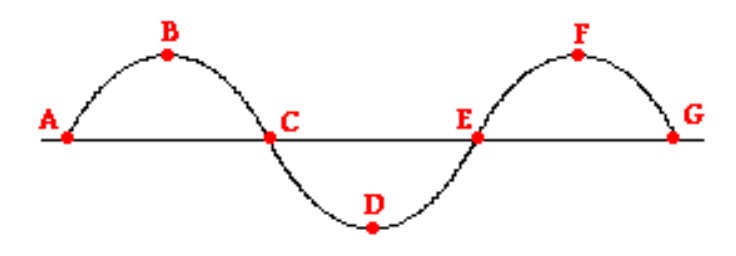
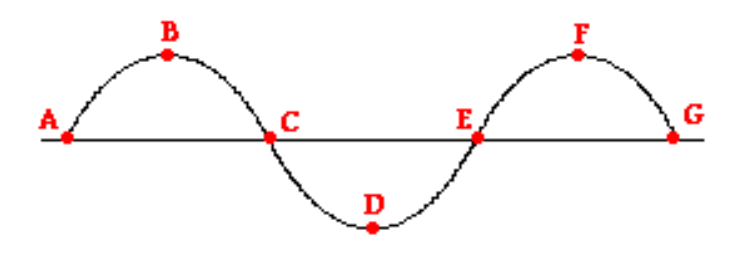
Which letter represents the crest?
A
B
C
D

What travels through a wave?
mass
energy
mass and energy
neither mass nor energy

The two waves have different...
amplitudes
speeds
wavelengths
frequencies
Which letter represents the trough?
A
B
C
D
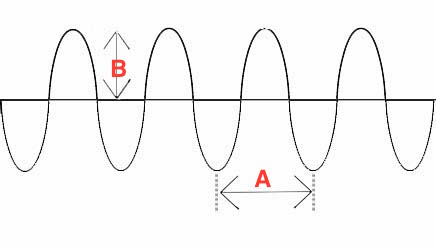
The distance from one crest to the next crest in a wave is
wavelength
crest
trough
amplitude

What does a wave carry from place to place?
energy
matter
people

To transmit means to
go to lunch
send
go west
call
Amplitude is the distance between
the crest and the trough
each wave
the middle point of a wave and the clouds
the crest or trough and the middle point of the wave
The distance from one crest to the next crest in a wave is
wavelength
crest
trough
amplitude
The trough is the
highest point in a wave
the wavelength
lowest part of a wave
the distance between each crest

What does this picture represent?
wavelength
echolocation
amplitude
peak
When energy increases, amplitude _______?
increases
decreases
stays the same
Waves are a pattern of motion that transfer energy.
True
False
What emits sound waves?
Phone
desk
chair
light bulb

Which of the following can waves transfer energy through?
solid
liquid
gas
empty space
all of the above
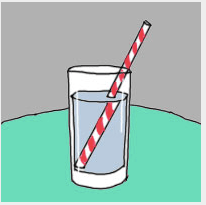
Why does the straw appear to be bent?
light is reflected
light is absorbed
light is turned
light is refracted
What do we call a material that light can travel through?
air
water
medium
pathway
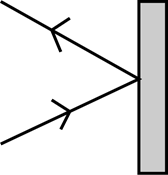
In the illustration, the light ray striking the object is-
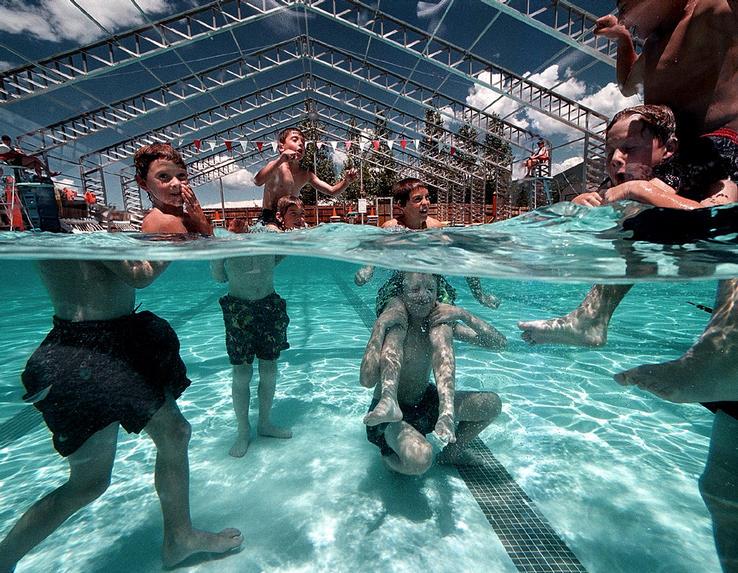
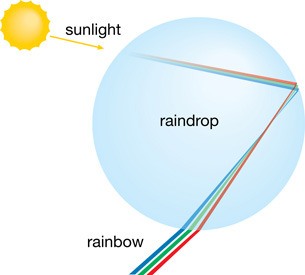
Reflection is when light...
Bends
Bounces
Absorbs
transmits
Refraction is when light...
Bounces
Transmits
Bends
Absorbs
___________ travels in a straight line until something changes its path
Medium
Refract
Reflect
Light

What is happening in this picture?
Reflection
Refraction

What is happening in this picture?
Reflection
Refraction

Students often use a hand lens to make small objects appear larger. A hand lens makes objects appear larger because the lens-
increases the light’s strength
changes the color of the light
bends light passing through it
converts light energy to heat


Which of the following best models how light is reflected?
An arrow hitting a target
A ball bouncing off a wall
An apple falling from a tree
A marble rolling down a ramp
Light traveling through the air moves in a straight line. An object viewed through water looks different because light rays that travel through water are –
bent.
bounced.
reflected.
absorbed.

1) Refraction happens when light______
bends as it enters a new medium
bounces back when it hits a surface
by a substance

Which one of these describes a lens that causes light to come to together at a single point?
concave
opaque
convex
translucent

Choose the word or words that correctly describe each object and how light behaves in the situation.
Opaque, reflection
Transparent
Translucent, passes through
a) Transparent, passes through, refraction

Identify the following image as or refraction.
Refraction
Reflection

Identify the following image as or refraction.
Refraction
Reflection

Which type of object blocks all light from going through?
Translucent
Opaque
Transparent

Which type of object scatters light as it passes through an only allows part of the light to shine through?
Opaque
Translucent
Transparent

Light shines clear through objects that are
Translucent
opaque
Transparent

The color that you see is the color that is ____.
refelcted
absorbed

If all light waves are reflected off an object, what color do we see?
Red
White
Black

If all light waves are absorbed by an object, what color do we see?
Blue
Black
White

