Wayground logo

Free Printable Worksheets

Font size

S
M
L
XL
Worksheets

Biomes & Relationships

Total questions: 19

Worksheet time: 16mins
Name
Class
Date
1.

Which biome covers most of the land mass near Earth's equator?

a)

tundra

b)

desert

c)

grassland

d)

tropical rainforest

2.

Which biome has the largest number of species of plants and animals (highest biodiversity)?

a)

tundra

b)

desert

c)

tropical rainforest

d)

pine forest

3.
One characteristic feature of tundra is that only the surface thaws in the summer and refreezes in the winter, leaving a layer of permanently frozen subsoil.  This characteristic is known as
a)
glaciation
b)
permafrost
c)
crystallization
d)
soilfrost
4.

Which biome contains large populations of grazing herbivores, few species of birds, and deep, rich soil?

a)

taiga

b)

tundra

c)

deciduous forest

d)

grassland

5.

The most important abiotic factors when studying biomes are...

a)

Soil and Freshwater

b)

Producers and Consumers

c)

Native Plants and Animals

d)

Precipitation and Temperature

6.

Which biome has deciduous trees (that lose their leaves in the fall)?

a)

Temperate Forest

b)

Rainforest

c)

Grasslands

d)

Taiga

7.

Which biome is home to cacti, scorpions, coyotes, kangaroo rats, and lizards?

a)

Desert

b)

Grasslands

c)

Temperate Forest

d)

Taiga

8.

lichens, mosses, grasses, and other low-growing plants are common vegetation in this biome due to the permafrost, low rainfall, and very cold temperatures.

a)

Desert

b)

Taiga

c)

Tundra

d)

Grasslands

9.

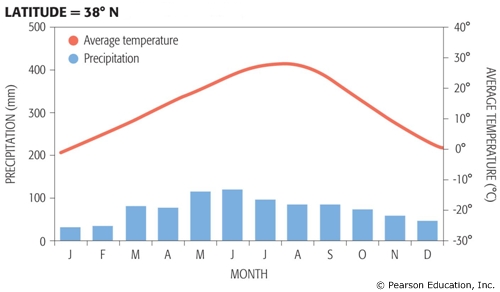
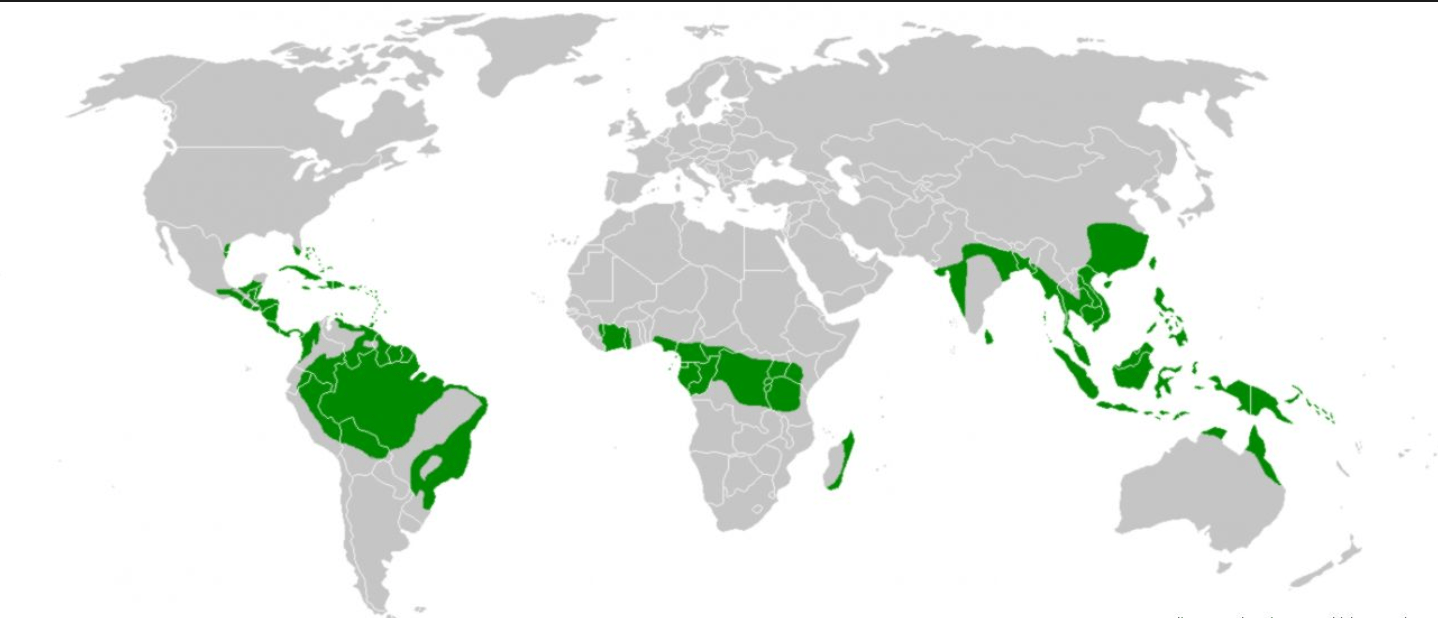
Which biome is highlighted in the picture?

a)

Taiga

b)

Temperate Deciduous Forest

c)

Grasslands

d)

Tundra

10.

This biome, also called a boreal forest, has dense forests of conifers (cone-bearing evergreen trees). Temperatures are cold, but soil is not completely frozen.

a)

Tundra

b)

Taiga

c)

Temperate Forest

d)

Grasslands

11.

The three-toed sloth is adapted to living in a hot, humid climate with lush vegetation and no seasons. What biome would you most liked find this organism?

a)

Temperate Deciduous Forest

b)

Tropical Rainforest

c)

Grasslands

d)

Taiga (Boreal Forest)

12.

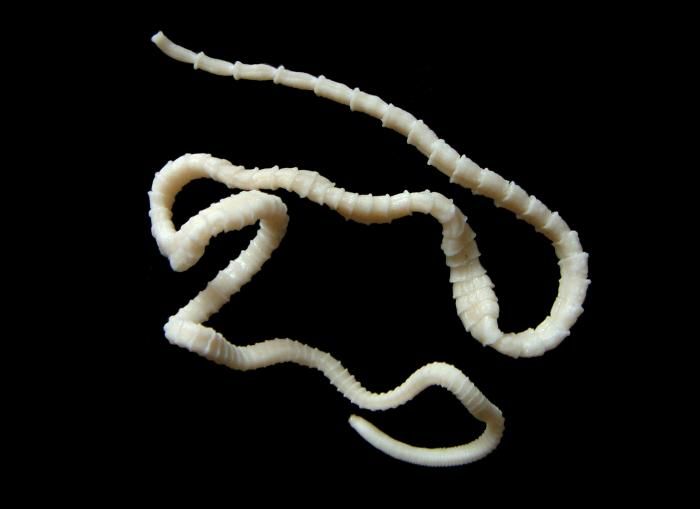
A tapeworm lives in the intestine of a cat absorbing nutrients through its skin. A tapeworm and a cat have this type of relationship.

a)

mutualism

b)

parasitism

c)

commensalism

d)

competition

13.
A relationship between two organisms in which one organism benefits and the other is unharmed...
a)
Mutualism 
b)
Competition
c)
Parasitsm 
d)
Commensalism 
14.
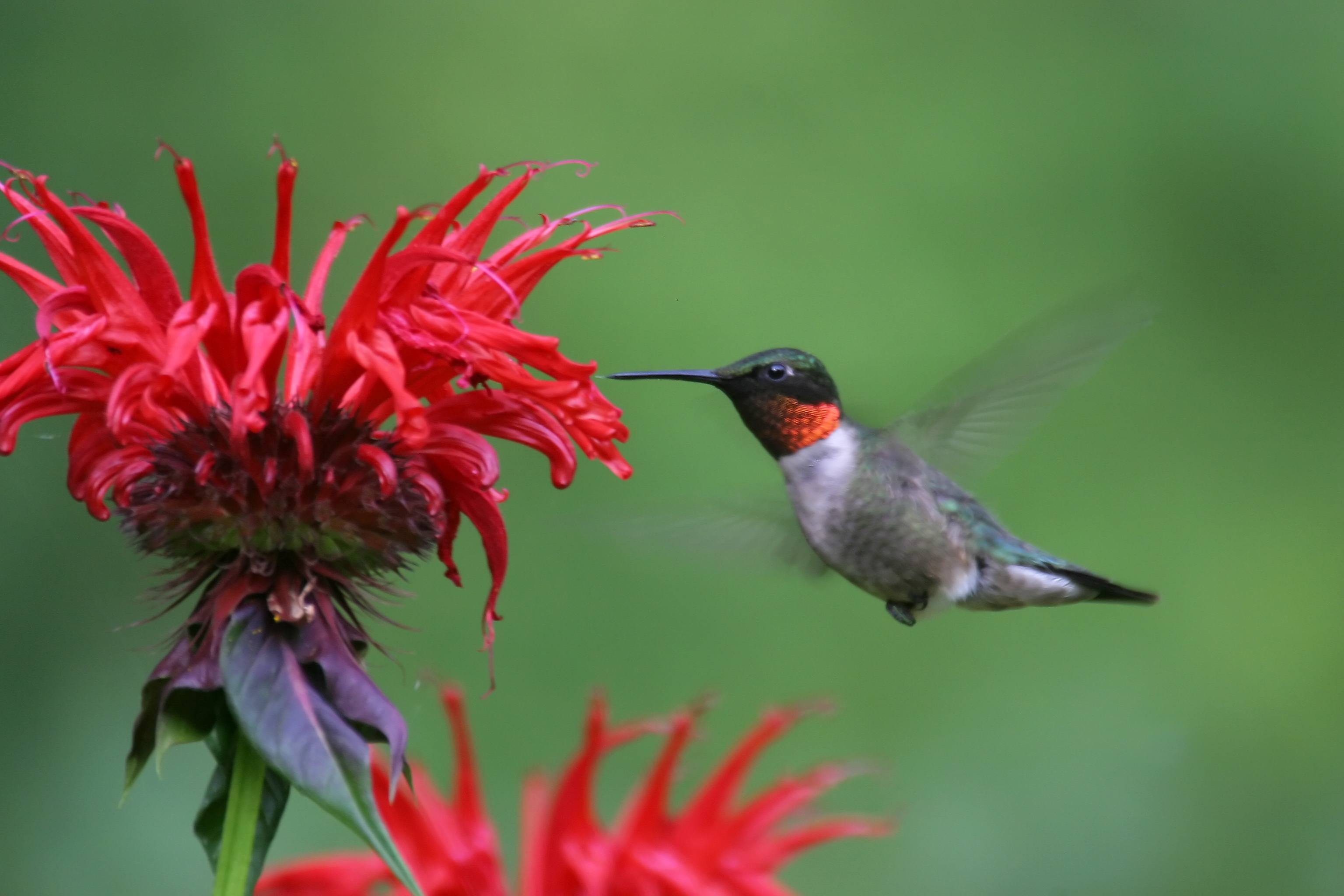
What type of symbiosis?  Hummingbirds feed on nectar from flowers.  The flowers are pollinated by hummingbirds as they move from flower to flower.
a)
commensalism
b)
mutualism
c)
parasitism
d)
predation
15.
Which symbols best describe parasitism?
a)
+,+
b)
+,-
c)
+,0
d)
-,0
16.
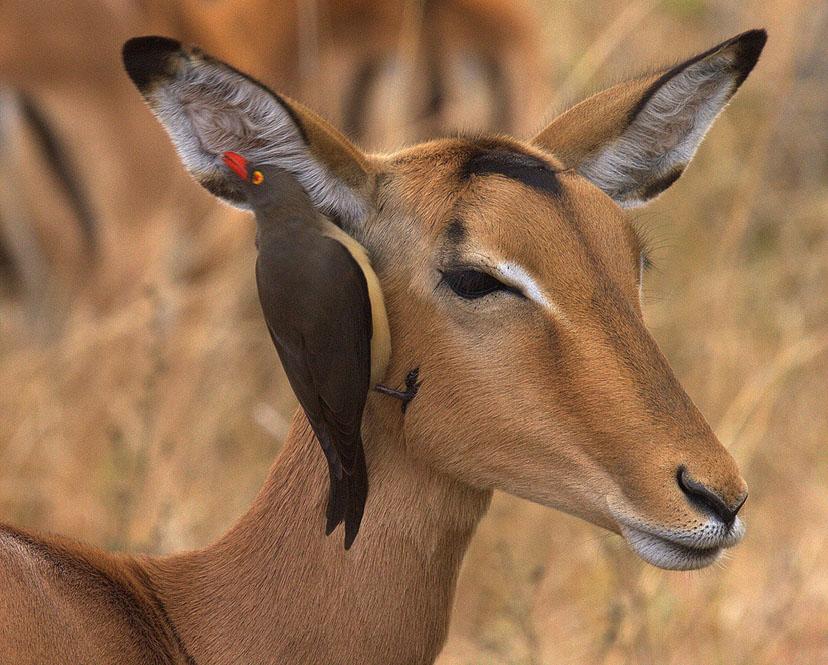
Red-billed oxpeckers are birds that often feed on parasites that infest impala.  This is an example of _______.
a)
commensalism
b)
mutualism
c)
neutralism
d)
competition
17.
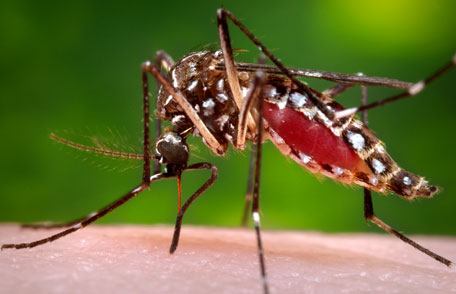
When a mosquito bites you, you are the __________ and the mosquito is the  ____________.
a)
host, hostess
b)
parasite, host
c)
host, parasite
d)
prey, predator
18.
Biodiversity refers to
a)
extinct species
b)
the variety of species on Earth
c)
nonrenewable resources
d)
the rate of species decline
19.
When taken to a new habitat, non-native plants often threaten native plants of the new habitat.  Why do they do this?
a)
Non-native plants are able to mutate rapidly
b)
Non-native  plants cause native animals to relocate
c)
Non-native plants are able to be used for medicine
d)
Non-native plants compete with native plants for resources