
 Worksheets
ACTIVIDAD 1 ORDINARIO
Total questions: 100
Worksheet time: 51mins
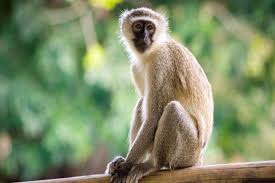
What can a monkey do?
It can fly.
It can talk.
It can climb trees.
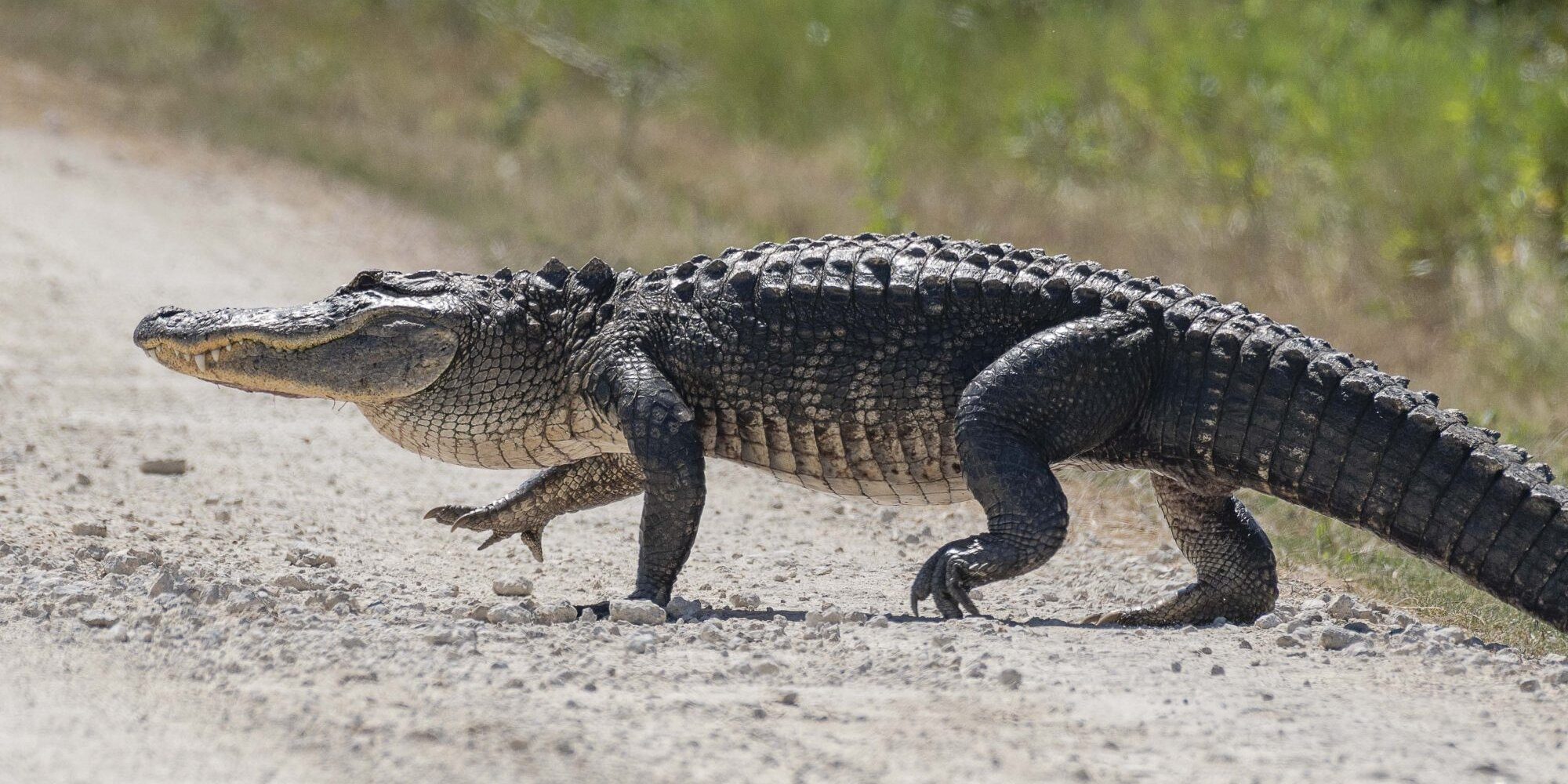
What can a crocodile do?
It can run fast.
It can swim.
It can fly.
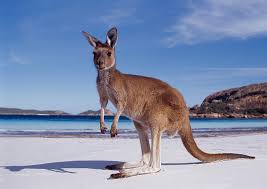
What can a kangaroo do?
It can jump.
It can swim.
It can talk.
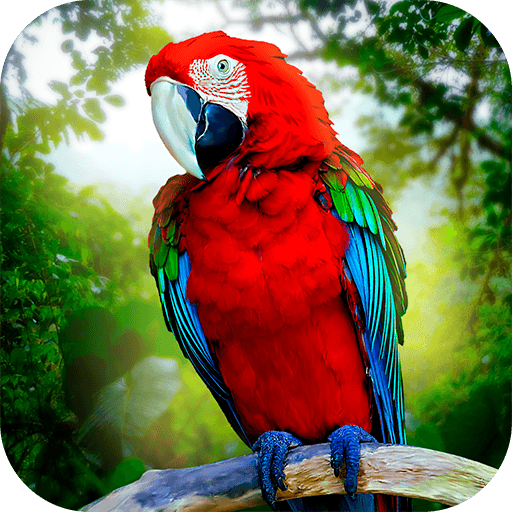
What can a parrot do?
It can swim.
It can ride a bike
It can talk.

SHE CAN´T PLAY BASKETBALL
SHE CAN PLAY BASKETBALL
SHE CAN DO GYMNASTICS
SHE CAN´T DO GYMNASTICS

HE CAN RIDE A BIKE
HE CAN´T RIDE A BIKE
HE CAN DO KARATE
HE CAN´T DO KARATE

SHE CAN PALY THE RECORDER
SHE CAN´T PALY THE RECORDER
SHE CAN´T DO GYMNASTICS
SHE CAN DO GYMNASTICS

HE CAN´T DO KARATE
HE CAN DO KARATE
HE CAN SINGING
HE CAN´T SINGING

I'm going to travel to the USA.
You should learn English.
You should take an aspirine.


My friend is sad.
You should invite him to go outside.
You should exercise every day.
SHOULD SIGNIFICA
NO DEBERÍAS
DEBERÍAS
DEBES
NO DEBES
SHOULDN´T SIGNIFICA
DEBERÍAS
NO DEBERÍAS
DEBES
NO DEBES

You have to ________________.
eat fast food
eat healthy food
cook lunch
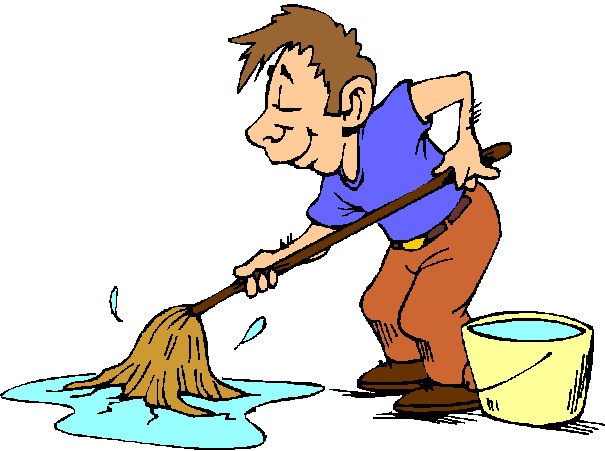
You have to __________________.
cook dinner
clean the house
wash the floor
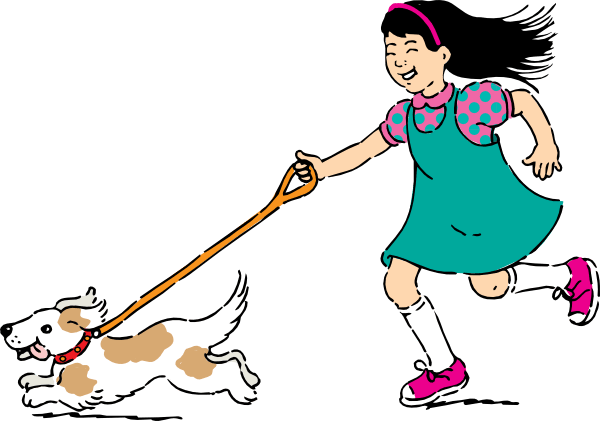
She has to _________________________.
take the dog for a walk
clean the house
go out with friends
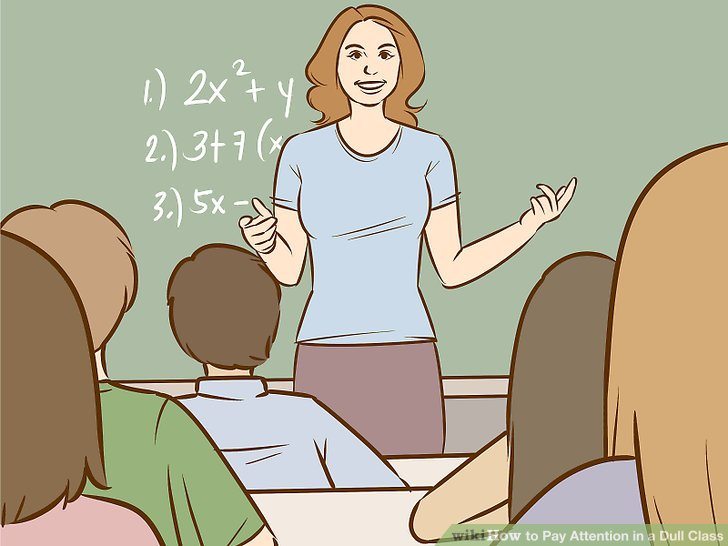
You have to _________________________.
study hard
be rude
pay attention in class
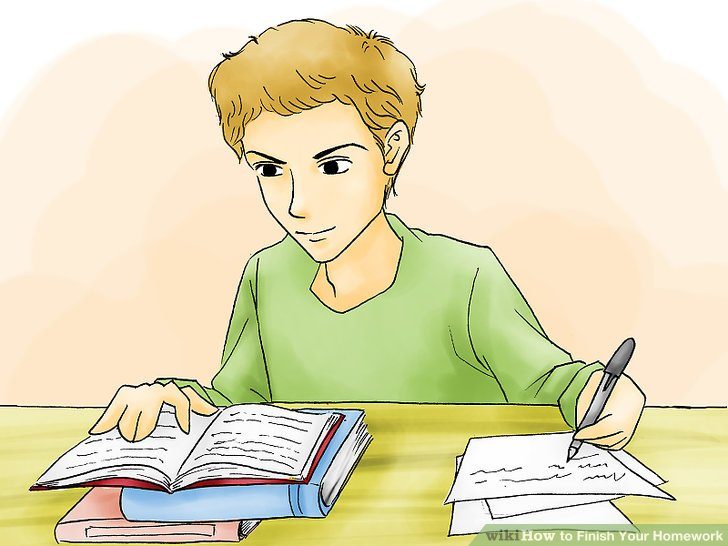
He has to __________________________.
practice sports
do his homework
surf the net
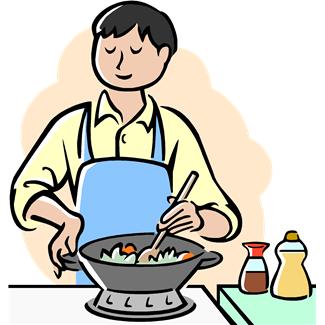
He has to ____________________:
clean the house
practice sports
cook dinner
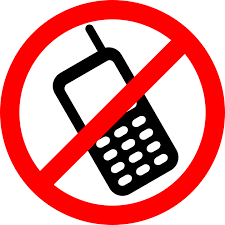
You don't have to ______________________.
wear a uniform
do the laundry
use a mobile phone in class
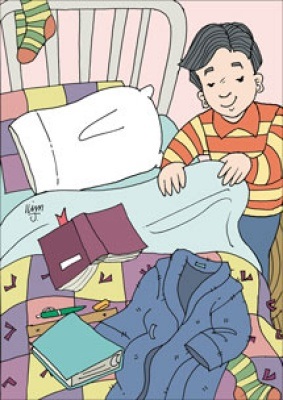
He has to _____________________his bedroom.
messy
untidy
tidy
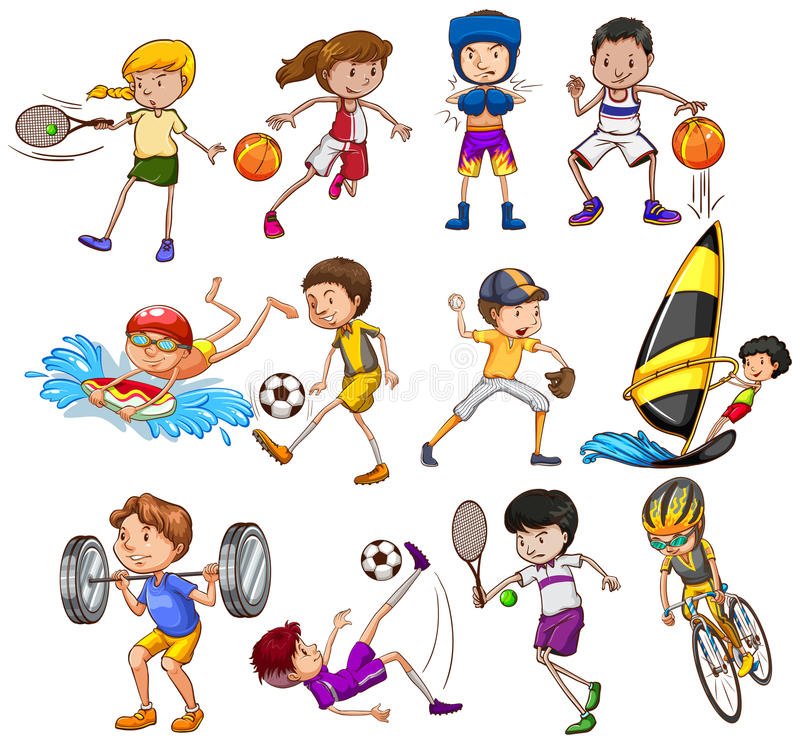
They have to _____________________.
take the bus to school
arrive late to school
practice sports
¿Qué expresa el auxiliar "Must"?
Una obligación
Una sugerencia
Agradecimiento
Felicidad
¿Que significa "Must not"?
Debe
No Bebe
No puede
No debe
Yo puedo nadar
You can´t swim
I can swim
I should swim
I could swim
Nosotros debemos estudiar
We should study
We can study
We must study
We could study
¿Cómo se dice en inglés "poder" en pasado?
CAN
MUST
SHOULD
COULD
¿Qué significa CAN?
vivir
tener que
deber
poder

Indica habilidad o posibilidad. En estos casos puede ser traducido como “poder” en español.
Will
Should
Can
Shall

Indica una obligación, prohibición o necesidad. También para indicar probabilidad o asumir algo
Should
Must
Can
Shall

Se usa para solicitar permiso o preguntar sobre las posibilidades, pero es más formal.
Shall
Would
May
Could

Se usa para indicar posibilidades en el futuro.
May
Should
Would
Ought to

Se usa para indicar posibilidades en el presente o el futuro. En estos casos, es un sinónimo de “may”. También se puede usar al igual que “may”, para pedir permisos o hacer peticiones corteses.
May
Should
Might
Would

Indica una obligación o recomendación. Refleja una opinión sobre lo que es correcto. Se traduce como el condicional de “deber” en español
Shall
Will
Should
Could
What is the use of the future going to? / cual es el uso del future going to
Hablar de una situación del pasado
Expresar una intención para hacer una actividad en el futuro
Dar un consejo
Cuando usamos el "future going to" el verbo se conjuga agregandole s o es al final
False
True

Que expresión muestra la imagen?
Going to a club
Going to the pool
Going to go to the hairdresser

Que expresión muestra la imagen?
Going to the cinema
Going to eat out
Going to play outside
La siguiente oración es correcta: Sara isn't going to playes the piano at the party
False
True

Que expresión muestra la imagen?
Going to visit my family
Going to parties
Going to study

you / to / tell / him / going / are / ?
are you going to tell him
Are you going to tell him?
Are you going to tell to him?
Are you going tell him?

later / are / what / do / you / going / to / ?
What are you going to do later?
What you going to do later?
What you are going to do later?
What are you going to later?

going / him / I’m / tell / no, / not / to
No, I'm not going tell him.
No, not I'm going to tell him.
No, I'm not going to tell him.
No, I'm going not tell him.

Steve / going / is / to / be / the / barbecue / at / ?
Is Steve going be at the barbecue?
Is Steve go to be at the barbecue?
Is Steve going to be at the barbecue?
Steve going to be at the barbecue?

going / to / what / wear / you / are / ?
What are you are going to wear?
What are you going to wear?
What you going to wear?
What are you going wear?

wear / I’m / jeans / going / a / T-shirt / to / and
I'm going wear a T-shirt and jeans.
I'm going to wear a T-shirt jeans.
I'm going to wear T-shirt and jeans.
I'm going to wear a T-shirt and jeans.

Selecciona la estructura gramatical para el futuro compuesto.
Subject + going to + verb to be + verb
Verb to be + subject + going to + verb
Subject + verb to be + going to + verb

Qué significa "I am going to"
Iré a ...
Voy a ...
Fui a ...
Iba a ...

What's the grammar structure for questions? (¿cuál es la estructura gramatical para preguntas?)
Subject + verb to be + going to + verb ?
Verb to be + subject + going to + verb ?
Verb to be + going to + subject + verb ?

What did you do after school yesterday?
I play the piano
I played the piano
I pliyed the piano
You played the piano.

Did you use the computer last Monday?
Yes, I don't.
No, you didn't
Yes, yes.
Yes, I did.

Last Wednesday after school I _________ home
walk
walked
talked
talk

I ______ read a book last month.
didn't
did
walked
listened

Yesterday he __________ late at school.
listened
walked
arrived
started
The children ............. lunch in the cafeteria last month
eat
eating
ate
eats

elige la opción en pasado
reading
reads
read
readed

elige el verbo en pasado
listening
listened
listen
listens

elige el verbo en pasado
thought
think
thinking
thinks

elige el verbo en pasado
cry
cried
crying
cries
Cual es una de las reglas básicas de los verbos regulares
Si el infinito del verbo termina en e, se le añade una d. Si finaliza en y precedida de una consonante, se cambia la y por una i y se le añade -ed
Se les agrega la terminación ing
Son aquellos cuyo pasado simple y participio pasado no siguen ninguna regla.
I ____ (study) for the exam for three hours.
Studied
Study
Studing
They ____ (be) happy to be home.
To be
Were
Are
Dan ____ (not/work) last week.
Didn't work
Don't work
Work
_____ you _____ (wash) the dishes?
Did you wash the dishes?
You wash the dishes?
Do you wash the dishes?

I ___________ a good student.
was
were
weren't
wasn't

We ___________ old friends.
were
was
wasn´t

He ___________ a student
was
were
wasn't
weren´t

The pencil _____________ on the desk
was
were
weren't
wasn't
She ________ absent from class yesterday
were
was
The sky ____________ clear
was
were
The child _________ in the garden
was
were
You _______ very serious
were
was

The bread is _______________ than the pasta.
a. cheap
b. cheaper
c. more cheap
d. cheapest
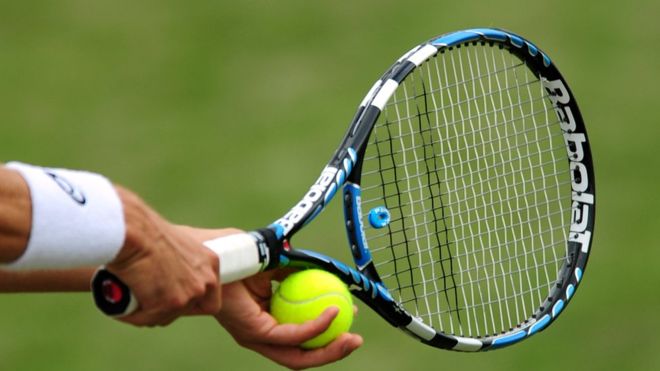
Tennis is ___________________________ than football.
a. more interesting
b. interesting
c. interestinger
d. interestingest
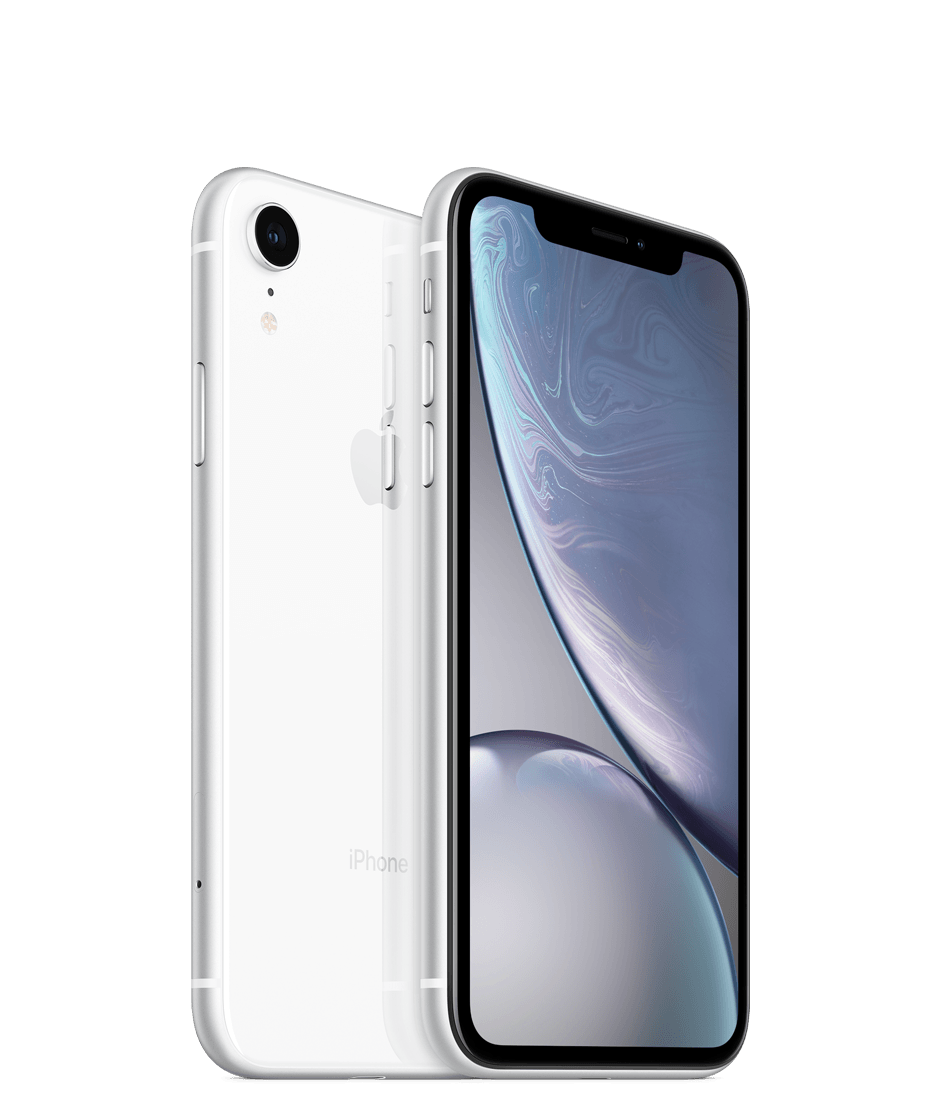
My mobile phone is _______________________ than yours.
a. expensive
b. expensiver
c. more expensive
d. expensivest
Christiano Ronaldo is _______________________ than Wayne Rooney.
a. popularer
b. popularest
c. more popular
d. popular

My English is __________________ than my French.
a. good
b. better
c. best
d. goober
Paris is ______________ than Liverpool.
a. big
b. biggest
c. more big
d. bigger
July is a ______________ month than October.
a. hoter
b. hotter
c. hottest
d. more hot
Sevilla is a ___________________ football team than Jerez
a. good
b. best
c. better
d. holder

Rusia is _____________ than Miami
a. cold
b. coldest
c. more cold
d. colder
She is the __________ beautiful girl in the classroom.
more
most
than
Mercury is the ______________ planet.
hottest
greenest
smallest
Which is the coldest planet?
(a)
Cheetahs are ______________________ animals
fastest
the fastest
slowest
This laptop is __________________ in the store.
the good
the best
best
Meaning of "the worst"
(a)

ALTO
FUNNY
SHORT
TALL
SERIOUS

SHY
FEO/A
GORDITO/A
AVENTURERO
TÍMIDO/A

UGLY
PEQUEÑO/A
ALTO/A
FEO/A
TÍMIDO/A

THIN
ALTO/A
DELGADO/A
AMISTOSO/A
GORDITO/A

FUNNY
GRACIOSO
TRISTE
FELIZ
ALTO/A

PRETTY
FEO/A
BONITO/A
AMISTOSO/A
PEQUEÑO/A

I WILL PLANT FLOWERS TOMORROW.
YO JUGARÉ CARTAS MAÑANA.
YO JUGARE FÚTBOL MAÑANA.
YO PLANTARE FLORES MAÑANA.
I will work =
trabajar
trabajo
voy a trabajar
trabajaré

Escribe el pasado del verbo comenzar.
BEGIN
WORKED
DANCE
BEGAN

Escribe el pasado del verbo HACER.
DID
DO
MAKE
GO

Escribe el pasado del verbo DORMIR.
DO
SLEEP
BOUGHT
SLEPT

